
 Oil On CanvasWallArtRococo Style
 37.0 x 52.0 cm
 Musée Cognacq-Jay
当社のアーティストが、お客様のご希望のサイズと額縁に合わせて、キャンバスに手描きで制作する油彩画です。 ( プリント版に切り替え デジタル画像販売へ切り替え)





























作品のオリジナル比率に合わせた、当店の規定サイズからお選びください。

特定のフレームやスペースに合わせて、ご希望のサイズをご入力いただけます。選択されたサイズが元の画像の比率と異なる場合、アートワークをトリミングするか、手描きで要素を追加して絵画を拡張いたします。デジタルモックアップ を制作し、制作開始前にご確認(承認)をいただきます。
画面上のプレビューは、実際のトリミングや拡張を正確に反映しているものではありません。最終的な構図は、モックアップによってのみ正確にご確認いただけます。
カスタムサイズもご利用いただけますが、元の比率を維持するためには、あらかじめ用意されたリストからサイズを選択することをお勧めいたします。

Diana after the Hunt
複製画のサイズ
François Boucher's "Diana After the Hunt," painted around 1745 and currently residing in the Musée Cognacq-Jay in Paris, is more than just a depiction of a woodland scene; it’s a shimmering embodiment of Rococo elegance, sensual grace, and the very spirit of the era. This oil on canvas work invites us into a world of delicate beauty, where the goddess Diana, mistress of the hunt, shares a tranquil moment with her companions after a day spent pursuing prey. Boucher masterfully captures not just the visual splendor but also an underlying sense of serenity and shared pleasure – a rare stillness within the vibrant dynamism of his style.
The painting immediately draws the eye to its foreground: three elegantly posed women seated upon the ground, engaged in conversation or perhaps simply enjoying the restorative effects of their day. Each figure is rendered with exquisite detail, showcasing Boucher’s remarkable skill in capturing texture and form. The woman on the left, adorned in a light blue garment embellished with delicate white flowers, exudes an air of quiet contemplation. Her counterpart in yellow and red embodies playful vivacity, while the third, clad in dark blue with gold accents, projects an aura of sophisticated reserve. These carefully chosen colors contribute significantly to the painting’s overall harmony and visual richness.
“Diana After the Hunt” is a quintessential example of the Rococo style – a movement characterized by its emphasis on lightness, ornamentation, and sensuality. Boucher's brushwork is remarkably fluid and loose, creating an atmosphere of airy grace. He employs a technique known as *sfumato*, subtly blurring outlines and softening edges to achieve a dreamlike quality. The background landscape—a verdant forest punctuated by a meandering stream—is painted with meticulous attention to detail, yet retains a sense of idealized beauty. Notice the dappled sunlight filtering through the trees, adding depth and luminosity to the scene.
Symbolism plays a crucial role in understanding the painting’s deeper meaning. Diana, as the Roman goddess of the hunt, represents not just skill and prowess but also independence, fertility, and the wildness of nature. Her companions are often interpreted as nymphs or young women, symbolizing beauty, innocence, and the pleasures of leisure. The hunting implements scattered on the ground—arrows, bows, and quivers—serve as a reminder of Diana’s role as a hunter, yet they are presented in a context that prioritizes rest and companionship over active pursuit. The presence of water further reinforces this theme of renewal and tranquility.
To fully appreciate “Diana After the Hunt,” it’s essential to consider its historical context. Painted during the reign of Louis XV, the work reflects the opulent tastes and refined sensibilities of the French court. Boucher was a favored artist of Madame de Pompadour, the influential mistress of the king, who championed his talent and helped elevate him to prominence. His paintings were highly sought after by wealthy patrons and adorned the interiors of grand palaces throughout France.
Boucher’s influence on subsequent generations of artists is undeniable. He established a new standard for decorative painting, blending classical mythology with contemporary themes and embracing a distinctly sensual style. Works like “Diana After the Hunt” continue to captivate viewers today, offering a glimpse into a world of beauty, grace, and timeless elegance. Reproductions by WahooArt.com allow you to bring this masterpiece into your own space, experiencing its charm and sophistication firsthand.

18世紀フランス美術を代表する画家、フランソワ・ブーシェ(1703-1770年)は、優雅さ、官能性、そして遊び心に満ちた様式であるロココ時代の最も重要な芸術家の一人として知られています。彼の作品は、当時の貴族社会の洗練された美意識と享楽的な世界観を鮮やかに映し出しています。
1703年9月29日、パリに生まれたブーシェの芸術への道は、画家であった父ジャン・ブーシェのもとでの教育から始まりました。17歳にして、才能を認められた彼は、フランソワ・ルモワーヌに師事し、短いながらも貴重な経験を積みます。その後、彫刻家ジャン=フランソワ・カルスに版画の技術を学び、1720年には名誉あるグラン・プリ・ド・ローマを受賞します。この受賞は、彼の芸術家としての将来を決定づける重要な転機となりました。
グラン・プリ・ド・ローマの受賞後、ブーシェがイタリアで過ごした時間は、彼の芸術的感性を大きく育みました。フランスに帰国すると、1731年にアカデミー・ロワイヤル・ド・ペイントゥール・エ・スカルプチュールに入会を果たします。そして、その才能を証明するmorceau de réception(呈作品)として制作された“リナルドとアルミダ”(1734年)は、たちまちロココ様式の巨匠としての地位を確立しました。この時期から、繊細な筆致、パステル調の色彩、そして神話や田園風景といった主題への傾倒が、ブーシェ独自の芸術的特徴として明確になっていきます。
ブーシェの作品は多岐にわたり、神話画、肖像画、風俗画、装飾美術など、幅広い分野を網羅しています。彼の代表作としては、以下のようなものが挙げられます:
ブーシェの作品に共通するテーマとしては、愛、美、余暇、そして理想化された神話の世界が挙げられます。彼の絵画はしばしば、優雅なエロティシズムと洗練された気品を漂わせています。
ブーシェの影響力は、絵画にとどまりません。彼は劇場用の衣装や舞台装置のデザインを手がけ、ボーヴェのタペストリー工房のために織物デザインも制作しました。さらに、ゴベラン製作所とも協力し、装飾芸術にも貢献しています。1765年にPremier Peintre du Roi(王室首席画家)に任命されたことは、彼がフランス・ロココ美術の第一人者であることを決定的に示しました。
後世の批評家から、ロココ美術の表面的さや軽薄さが批判されることもありましたが、ブーシェの影響は否定できません。彼はジャン=オノレ・フラゴナールなどの芸術家に影響を与え、また、彼の弟子たちを通して新古典主義の発展にも貢献しました。
フランソワ・ブーシェの作品は、18世紀フランス社会の嗜好と価値観を理解するための貴重な手がかりを提供します。彼の絵画は、当時の貴族文化を反映しており、贅沢さ、洗練された美意識、そして快楽の追求といった特徴を持っています。彼は、その卓越した技術力、芸術的革新性、そしてロココ様式への永続的な貢献によって、美術史において重要な位置を占めています。

1703 - 1770 , フランス
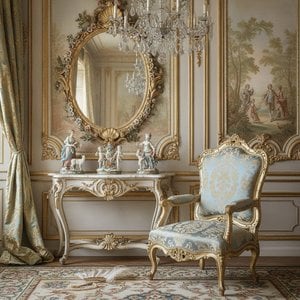
Discover the exquisite allure of Rococo art. Explore a curated guide to 18th-century French masterpieces, from Watteau to Fragonard, and learn how hand-painted oil reproductions can bring timeless elegance and luxury to your sophisticated interior design collection.

Immerse yourself in the splendor of Rococo art. Discover the era of elegance through masterworks by Watteau and Fragonard. Explore themes of romance, aristocratic leisure, and gilded ornamentation in this definitive guide to 18th-century French opulence.


 プレビュー
プレビュー
 シェアする
シェアする シェアする
シェアする
 詳細を見る
詳細を見る ガイド
ガイド

 ダウンロード
 似ている作品
 X線調査
X線調査 スライドショー
 統計情報
統計情報 詳細を見る
詳細を見る









 ガラスオプションは、110cm未満のサイズでのみご利用いただけます。


