
迅速な制作と多彩な仕上げオプションを備えた、ミュージアムクオリティのジークレーまたはキャンバスプリント。 ( 手描きの絵画を購入 デジタル画像販売へ切り替え)





























作品のオリジナル比率に合わせた、当店の規定サイズからお選びください。

特定のフレームやスペースに合わせて、ご自身でサイズを指定することも可能です。選択されたサイズが元の画像の比率と一致しない場合、作品をトリミングするか、鏡面反射または単色での塗りつぶしによって画像を拡張いたします。制作を開始する前に、ご確認用のデジタルモックアップをお送りいたします。
画面上のプレビューには、実際のトリミングや拡張は反映されませんのでご注意ください。最終的な構図を正確に確認できるのは、モックアップのみとなります。
カスタムサイズも承っておりますが、元の比率を維持するためには、あらかじめ用意されたリストからサイズを選択することをお勧めいたします。

Inmaculada 1
複製画のサイズ
In the quiet, hallowed atmosphere of Francisco de Zurbarán’s "Inmaculada 1," the viewer is not merely an observer but a participant in a profound moment of spiritual revelation. This masterpiece of the Spanish Baroque period captures the Virgin Mary cradling the infant Jesus, a scene that transcends simple religious iconography to become a meditation on purity and divine grace. As your eyes wander through the composition, you encounter a celestial realm where the boundaries between the earthly and the divine blur. The presence of soft clouds surrounding the Madonna suggests a heavenly ascension, while the delicate inclusion of birds—one hovering near her head and another in flight—servates as a subtle nod to the breath of life and the watchful eyes of creation. It is an artwork that demands stillness, inviting anyone who gazes upon it to pause and breathe in the serene solemnity of the seventeenth century.
The emotional weight of the piece is anchored by Zurbarán’s unparalleled mastery of chiaroscuro. Often referred to as the "Spanish Caravaggio," the artist utilizes dramatic contrasts between deep, velvety shadows and piercing highlights to sculpt his figures with a near-tactile realism. In this work, the light does not simply illuminate; it reveals the very soul of the subject. The way the glow catches the folds of fabric or the soft skin of the Christ child creates a sense of physical presence that is almost overwhelming. For the collector or interior designer, this technique offers a unique opportunity to introduce a focal point of intense drama and sophisticated texture into a space, providing a sense of depth and historical gravity that modern minimalism often lacks.
While many of his contemporaries in the Baroque era sought to overwhelm the senses with opulent gold and chaotic movement, Zurbarán pursued a path of Baroque Minimalism. His technique involves a meticulous application of oil paint on canvas, using thin, translucent glazes to build up tonal gradations that give the figures a monumental, almost sculptural quality. There is a rhythmic, monastic gravity in his brushwork; every detail, from the crown upon the infant's head to the subtle movement of the surrounding figures, is rendered with a disciplined precision. This reductive approach focuses the viewer’s attention entirely on the spiritual essence of the Madonna and Child, stripping away the unnecessary to highlight the profound truth of the encounter.
Historically, this painting emerged from the fervent religious climate of Spain under the Habsburg rule, a time when art served as a powerful tool for devotion and the reinforcement of faith. The "Inmaculada" reflects the era's preoccupation with the Immaculate Conception, embodying the period's intense piety through its austere beauty. To possess a reproduction of such a work is to bring a piece of the Spanish Golden Age into the contemporary home—a way to anchor a room with the quiet strength of history and the timeless elegance of a master who knew how to find the infinite within the simple.

フアン・デ・サンチェス・コタンの影響を受け、スペインの美術界に大きな足跡を残したフアン・デ・サンチェス・コタンは、スペインで活躍する画家の一人として知られています。しかしながら、彼の生い立ちに関する詳細は多くの場合謎めいています。彼は最初に地元で活動していたアレハンドロ・デ・ラ・ミナに師事し、その後セビリアへ移動してアルonso・デ・ナジェラのもとで美術を学びました。ナジェラの工房では、バロック様式という劇的な変化を受け入れ、前の世代よりも洗練された芸術的伝統から脱却しました。これらの初期の時期でも、現実的な細部を捉え、主題に感情的な重みを吹き込む才能が明らかになり、彼は画家としての独自の道を歩むことになります。エクストレマドラの荒涼とした風景と宗教的な雰囲気は、シンプルさ、厳粛さと深い精神的関心を重視する感性を育み、彼の成熟した作品を特徴づけるものでした。
セビリアはスペインで最も活気のある文化の中心であり、アメリカの植民地との玄関口でした。彼はすぐにその地位を獲得し、成功した工房を設立して多くの依頼を受けました。これらの依頼は主に教会や修道院や個人的な宗教的な目的で使用されるための宗教画であり、この時期に彼の特徴的なスタイルが確立されました。それは劇的なコントラストを用いてドラマと主題の感情的な強度を強調するバロコ様式の技術であるテネブリスムの影響を受けました。彼は単に見たものを再現していたのではなく、それぞれの主題の中に深い精神的な存在を表現しようとしていました。彼は聖職者の描写だけでなく、聖書上の場面を描写していました。彼の初期の作品はテネブリスムの技術を駆使して驚くべき感情的な深さを表現しており、バロコ様式の芸術的伝統に挑戦しました。
彼はテネブリスムというバロコ様式の技術を用いて聖職者の描写だけでなく、宗教的な物語を感動的な視覚体験に変える能力を持っていました。彼は修道院や聖母マリアなどの聖職者をテーマに描き、その姿は静かな尊厳と神聖な優雅さを表現しています。彼のイマコラテ・コンセプションは特に印象的で、聖母マリアは白い光の中に黒い背景に配置され、純粋さと神の恵みを伝えています。彼は聖職者の描写だけでなく、聖書上の場面を描写していました。彼のアグヌス・デイはキリストを犠牲的な羊として描き出し、厳粛さと献身性を表現しています。彼はテネブリスムという技術を用いて聖職者の感情的な深さを表現しており、バロコ様式の芸術的伝統に挑戦しました。
彼はセビリアで活動するスペインの王室画家の一人として重要なマイルストーンを達成しました。この任命は彼の評判を高めました。しかしながら、彼の人気は後に異なる芸術的な好みの中で少し薄れました。特に彼はテネブリスムという技術を用いて聖職者の感情的な深さを表現しており、バロコ様式の芸術的伝統に挑戦しました。彼はテネブリスムという技術を用いて聖職者の感情的な深さを表現しており、バロコ様式の芸術的伝統に挑戦しました。彼の影響力はスペインのバロック美術界に大きな足跡を残し、テネブリスムという技術を用いて聖職者の描写だけでなく、宗教的な物語を感動的な視覚体験に変える能力を持っていました。彼はテネブリスムという技術を用いて聖職者の感情的な深さを表現しており、バロコ様式の芸術的伝統に挑戦しました。

1598 - 1664 , スペイン

ジョット・ディ・ボンドーネの至高の25選。ルネサンス美術を牽引した巨匠の傑作と、その感動的な物語を紐解きます。高品質な絵画複製やインテリアアートで、名画の世界をあなたの空間に。WahooArt.com でコレクションをご覧ください。

フラ・アンジェリコの傑作25選。ルネサンス美術の神髄を紐解き、天使のような静謐な色彩と宗教画の世界へ誘います。壁画やフレスコ画の技法、修道院に息づく祈りの絵…WahooArtで至高のアートプリントをお手軽に。コレクションを探索する。

Explore the dramatic world of Baroque art! Discover iconic artists like Caravaggio & Rubens, defining techniques, and its lasting impact on art history. Expert insights for collectors & enthusiasts at WahooArt.
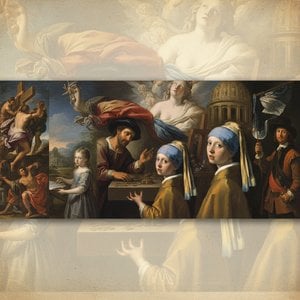
バロック美術の華!カラヴァッジョ、ベルニーニら巨匠が創り上げた10大名作を徹底解剖。ドラマチックな色彩と豪華絢爛の世界観に触れ、至宝のアートプリントで空間を彩ろう。WahooArt.comで美術館品質の複製と洗練されたインテリアを見つけましょう!

Journey through Baroque painting's glory! Explore 10 masterpieces by Caravaggio, Rembrandt & Vermeer. Discover dramatic lighting, rich colors & timeless stories. Find museum-quality art reproductions for your home at WahooArt.com.


 プレビュー
プレビュー
 シェアする
シェアする シェアする
シェアする
 詳細を見る
詳細を見る

 ダウンロード
 似ている作品
 X線調査
X線調査 スライドショー
 統計情報
統計情報

 詳細を見る
詳細を見る









 ガラスオプションは、110cm未満のサイズでのみご利用いただけます。


