

このページに掲載されている作品は著作権法によって保護されており、当社の許可なく同一の複製物を制作または販売することは法律で禁じられています。この保護は、以下のような国際条約に基づき執行されます。 ベルヌ条約 および、以下の条項に定められたものを含む各国の法律により、 米国著作権法 第17編。
この手法は、著作権で保護された作品の複製や複写を伴わないため、著作権法に完全に準拠しています。これは単なる模倣ではなく、創造的な再解釈です。元の作品からインスピレーションを受けつつも、それとは異なる、全く新しい絵画を生み出すものです。
スピーディーな制作と多彩な仕上げオプションが魅力の、ミュージアムクオリティなジークレー・キャンバスプリント。 ( 手描きの複製画を注文する デジタル画像販売へ切り替え)





























作品のオリジナル比率に合わせた、当店の規定サイズからお選びください。

額縁や壁のスペースに合わせて、ご希望の幅と高さを入力してください。プリントはカットすることは可能ですが、元の画像より大きくすることはできないため、異なる比率のサイズを選択された場合は、画像の一部が欠けることになります。印刷を開始する前に、内容を確認していただくためのデジタルモックアップをお送りいたします。このページに表示されている画像は、実際のカット後の状態を示すものではありません。実際の仕上がりはモックアップにてご確認ください。
Triptych, left
複製画サイズ一覧
To stand before a work by Francis Bacon is not merely to observe paint on canvas; it is to confront the raw, untamed core of human experience. This triptych panel, capturing a moment from 1979, invites us into a chamber of profound psychological discomfort. Here, a solitary figure is seated upon a simple bench, his posture—legs crossed in an unmistakable tableau of agony or deep introspection—becomes the central pillar of existential inquiry. Bacon does not offer comfort; he offers unflinching clarity, presenting what feels less like a portrait and more like an archaeological excavation of the soul.
Bacon’s mastery lay in his deliberate rejection of polished academic finish. His signature technique, which often incorporated encaustic painting alongside rich oils, was perfectly suited to capturing the grotesque beauty of suffering. This layering process—the building up and scraping away of wax and pigment—lends the surface a remarkable textural depth, making the emotion itself feel palpable beneath your fingertips. The paint seems to writhe, mirroring the internal turmoil of the subject. Notice how the muted backdrop, featuring the distant couch and the stark geometry of the clock on the wall, serves not as mere setting, but as an oppressive stage against which this private drama unfolds.
For Bacon, art was a means of stripping away illusion to reveal what he termed “the human animal.” This figure embodies that concept. The slumped weight, the implied gaze directed inward or past the viewer, speaks volumes about mortality and the inescapable burden of consciousness. The bench itself acts as an altar for contemplation, while the surrounding elements—the empty chairs, the ticking clock—function as silent witnesses to a private reckoning with time and vulnerability. It is a meditation on dread, rendered with brutal elegance.
Understanding Bacon requires acknowledging the shadow of the mid-20th century. His work pulses with the residue of global trauma—the aftermath of war and the subsequent questioning of established certainties. This piece carries that weight; it is a reflection on man grappling with an uncertain, often frightening, modern existence. Owning a reproduction of this panel allows one to integrate such potent historical resonance into a contemporary space, transforming a room from mere decoration into a site of profound thought.
This triptych fragment is more than just art; it is an emotional anchor. For the discerning collector or designer seeking pieces with narrative weight, Bacon offers unparalleled depth. It demands attention and rewards prolonged viewing. Whether placed in a gallery setting to provoke dialogue or within a sophisticated interior where intellectual gravitas is desired, this work ensures that conversation will always circle back to the enduring, complex nature of being human.
フランシス・ベーコン作「Triptych, left」のPortrait形式は、Living Roomに飾る際におすすめです。作品の形式と空間の調和が、複製画を配置する際の指針となります。
フランシス・ベーコン作「Triptych, left」は、作者の近代美術という時代における、Existential Expressionismのムーブメントに位置づけられます。
フランシス・ベーコン作「Triptych, left」の制作年代はModernです。この分類により、美術史における本作の位置付けが明確になります。


1909 - 1992 , アイルランド

フランシス・ベーコンの傑作25選。魂を揺さぶる表現主義絵画の世界へ。人物画、三面図、ポープ・インノケンティウス10世など、美術史に残る名作をWahooArtで高精細複製画としてご紹介。インテリアに深みと個性を。今すぐコレクションをご覧ください。
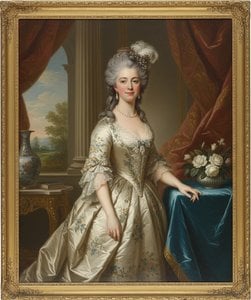
Explore the elegant world of Francis Cotes, pioneer of English pastel painting & celebrated Georgian portraitist. Discover his captivating portraits, artistic techniques, and lasting influence on 18th-century art.
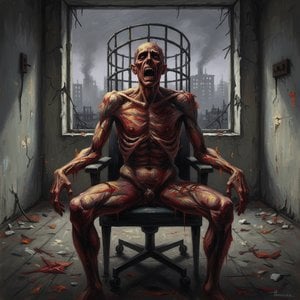
Explore the profound existential anguish of Francis Bacon's art. Discover how trauma shaped his iconic paintings & lasting influence on modern expressionism. A guide for discerning collectors.

Explore the life & work of Sir Francis Grant, a leading Victorian portraitist. Discover his aristocratic clientele, role at the Royal Academy, and enduring artistic legacy. Learn about art patronage in 19th-century Britain.

Explore the captivating world of Francis Sartorius II (1734-1804), a leading British painter renowned for his exquisite equestrian portraits and hunting scenes. Discover his life, techniques & enduring legacy.

 設置イメージを確認
 送る
送る シェア
シェア
 詳細情報
詳細情報 ガイドを表示

 画像をダウンロード
 似ている作品
 X線調査
X線調査 スライドショー
 Q&A
Q&A 統計情報
統計情報

 続きを読む
続きを読む









 ガラスオプションは、110cm未満のサイズでのみご利用いただけます。


