
迅速な制作と多彩な仕上げオプションを備えた、ミュージアムクオリティのジークレーまたはキャンバスプリント。 ( 手描きの絵画を購入 デジタル画像販売へ切り替え)





























作品のオリジナル比率に合わせた、当店の規定サイズからお選びください。

特定のフレームやスペースに合わせて、ご自身でサイズを指定することも可能です。選択されたサイズが元の画像の比率と一致しない場合、作品をトリミングするか、鏡面反射または単色での塗りつぶしによって画像を拡張いたします。制作を開始する前に、ご確認用のデジタルモックアップをお送りいたします。
画面上のプレビューには、実際のトリミングや拡張は反映されませんのでご注意ください。最終的な構図を正確に確認できるのは、モックアップのみとなります。
カスタムサイズも承っておりますが、元の比率を維持するためには、あらかじめ用意されたリストからサイズを選択することをお勧めいたします。

Three Studies for Self-Portrait,1980, Center Panel
複製画のサイズ
Francis Bacon's "Three Studies for Self-Portrait," created in 1980, stands as a chilling testament to the artist’s preoccupation with psychological torment and the unsettling realities of human existence. More than just a depiction of his own visage—though undeniably centered on a meticulously rendered face—this painting delves into the depths of consciousness, presenting a fragmented image that embodies the anxieties inherent in confronting oneself.
The artwork belongs to Bacon’s signature style: Surrealism infused with Expressionism. Unlike traditional portraiture aiming for idealized beauty, Bacon deliberately distorted anatomical proportions and employed grotesque imagery – a deliberate rejection of academic conventions—to convey inner turmoil. The central panel showcases a man's face rendered in shades of pink, red, and grey, punctuated by piercing eyes that stare directly out at the viewer. The exaggerated features—a prominent nose, crimson lips—are not merely anatomical inaccuracies but symbolic representations of vulnerability and emotional intensity.
Bacon’s technique involved applying paint thickly onto canvas with palette knives – a method he championed throughout his career – creating textured surfaces that capture the physicality of emotion. He utilized encaustic wax alongside oil paints, layering pigments to achieve remarkable luminosity and depth. This process wasn't merely about replicating appearance; it was about channeling feeling directly onto the canvas, imbuing each brushstroke with palpable urgency.
Created in the aftermath of World War II, “Three Studies for Self-Portrait” reflects the pervasive disillusionment felt by artists grappling with the trauma and moral ambiguities of the era. Bacon’s work aligns with broader artistic explorations into themes of mortality, isolation, and the disintegration of identity—concepts that resonated powerfully during a period marked by profound societal upheaval. The painting's unsettling gaze compels contemplation on the human condition, prompting viewers to confront their own fears and insecurities.
Symbolically, the fragmented face embodies the fractured psyche, mirroring Bacon’s own struggles with mental illness. The colors—pink, red, grey—represent not only physical sensations but also emotional states: vulnerability, rage, despair. Ultimately, “Three Studies for Self-Portrait” transcends mere visual representation; it is an emotionally charged exploration of the human spirit's capacity for suffering and its relentless pursuit of self-awareness.
This artwork continues to captivate audiences today, serving as a poignant reminder that art can illuminate the darkest corners of our inner lives. Its enduring appeal lies in its uncompromising honesty—a refusal to sugarcoat reality—and its ability to provoke profound introspection. Collectors and interior designers alike appreciate its masterful execution and its capacity to evoke visceral responses.


1909 - 1992 , アイルランド

エゴン・シーレの傑作25選。表現主義を代表するオーストリアの画家、その魂を揺さぶる人物画や自画像の世界へ。WahooArtで名画の複製画とインテリアアートをお楽しみください。コレクションを見る▶

Explore the rich history of self-representation in art, from Renaissance masters to modern innovators. Discover how artists use portraiture to reveal identity, emotion & the depths of the human psyche. Expert insights for collectors.

フランシス・ベーコンの傑作25選。魂を揺さぶる表現主義絵画の世界へ。人物画、三面図、ポープ・インノケンティウス10世など、美術史に残る名作をWahooArtで高精細複製画としてご紹介。インテリアに深みと個性を。今すぐコレクションをご覧ください。
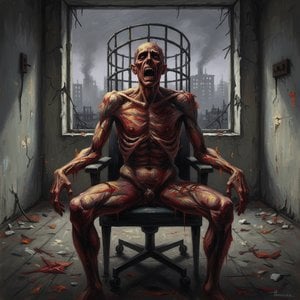
Explore the profound existential anguish of Francis Bacon's art. Discover how trauma shaped his iconic paintings & lasting influence on modern expressionism. A guide for discerning collectors.

Explore the fascinating history of self-portraiture from Renaissance masters like Dürer & Rembrandt to modern interpretations. Discover the psychological insights and artistic techniques behind these iconic works. Expert analysis for art enthusiasts.


 プレビュー
プレビュー
 シェアする
シェアする シェアする
シェアする
 詳細を見る
詳細を見る

 ダウンロード
 似ている作品
 X線調査
X線調査 スライドショー
 統計情報
統計情報

 詳細を見る
詳細を見る









 ガラスオプションは、110cm未満のサイズでのみご利用いただけます。


![Study For A Portrait [looking Right], — フランシス・ベーコン, Expressionist Painting](/media/artworks/images-thumb/87/b7/87b70ef44d2bec32f057076c0dd56be2.jpg)


