

当社のアーティストが、お客様のご希望のサイズと額縁に合わせて、キャンバスに手描きで制作する油彩画です。 ( Switch to Print Switch to Digital Image)





























作品のオリジナル比率に合わせた、当店の規定サイズからお選びください。

特定のフレームやスペースに合わせて、ご希望のサイズをご入力いただけます。選択されたサイズが元の画像の比率と異なる場合、アートワークをトリミングするか、手描きで要素を追加して絵画を拡張いたします。デジタルモックアップ を制作し、制作開始前にご確認(承認)をいただきます。
画面上のプレビューは、実際のトリミングや拡張を正確に反映しているものではありません。最終的な構図は、モックアップによってのみ正確にご確認いただけます。
カスタムサイズもご利用いただけますが、元の比率を維持するためには、あらかじめ用意されたリストからサイズを選択することをお勧めいたします。

Three Figures in a Room, left
複製画のサイズ
Francis Bacon's "Three Figures," completed in 1964, stands as one of the most unsettling and iconic paintings of the mid-century period. More than just a depiction of three individuals inhabiting a room—though that alone is fraught with tension—it’s an exploration of profound psychological distress, rendered with a masterful blend of technique and symbolism that continues to resonate with audiences today.
The painting's style aligns squarely within Bacon’s signature Expressionist aesthetic. Rejecting representational accuracy in favor of conveying emotion directly onto the canvas, he employed a method known as “squeeze”—a process where paint is forced out of tubes under pressure, creating distorted and fragmented forms. This technique isn’t merely stylistic; it's fundamentally linked to Bacon’s belief that painting should capture the visceral experience of consciousness itself – the feeling of being overwhelmed by internal turmoil.
“Three Figures” transcends mere visual depiction; it’s an invitation to confront uncomfortable truths about human existence. Bacon deliberately eschewed comforting illusions, presenting instead a brutally honest portrayal of psychological suffering. The painting's enduring power lies in its ability to evoke empathy and provoke contemplation—a testament to Bacon’s genius as both artist and philosopher.
Its influence extends far beyond the art world, informing discussions about trauma, identity, and the complexities of human emotion. Collectors appreciate “Three Figures” not only for its aesthetic qualities but also for its profound intellectual depth – a reminder that art can serve as a conduit for confronting our deepest fears and vulnerabilities.
Bacon's distinctive approach to painting—the “squeeze” technique—was born out of necessity and driven by an unwavering commitment to capturing the essence of psychological experience. Rather than meticulously blending colors on a palette, he applied paint directly from tubes under considerable pressure.
This technique wasn't simply about achieving visual effect; it was fundamentally rooted in Bacon’s conceptual framework—his conviction that painting should strive to represent the feeling of being overwhelmed by internal turmoil. By rejecting conventional methods, Bacon prioritized conveying emotion above all else.
Bacon's masterful use of color contributes significantly to the painting’s unsettling atmosphere. He predominantly employed muted browns and ochres—a palette deliberately chosen to evoke feelings of darkness, decay, and repression.
The subdued hues serve as a visual embodiment of Bacon’s preoccupation with existential angst—a refusal to offer solace or reassurance. Instead, he presented viewers with an unflinching depiction of inner darkness – a courageous stance that solidified Bacon's reputation as one of the most uncompromising artists of his time.


1909 - 1992 , アイルランド

フランシス・ベーコンの傑作25選。魂を揺さぶる表現主義絵画の世界へ。人物画、三面図、ポープ・インノケンティウス10世など、美術史に残る名作をWahooArtで高精細複製画としてご紹介。インテリアに深みと個性を。今すぐコレクションをご覧ください。

Explore the captivating world of Francis Sartorius II (1734-1804), a leading British painter renowned for his exquisite equestrian portraits and hunting scenes. Discover his life, techniques & enduring legacy.
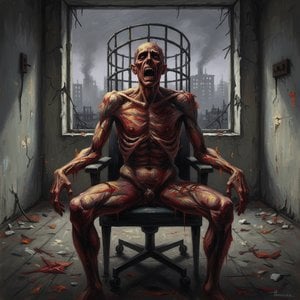
Explore the profound existential anguish of Francis Bacon's art. Discover how trauma shaped his iconic paintings & lasting influence on modern expressionism. A guide for discerning collectors.

Explore the rich history of formal portraiture & its enduring power to capture identity and shape perception. Discover investment-worthy artworks, expert appraisals, and custom reproduction services at WahooArt.
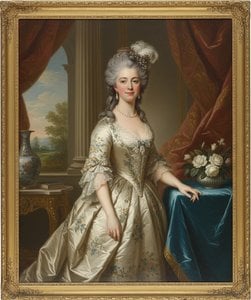
Explore the elegant world of Francis Cotes, pioneer of English pastel painting & celebrated Georgian portraitist. Discover his captivating portraits, artistic techniques, and lasting influence on 18th-century art.

 プレビュー
プレビュー
 シェアする
シェアする シェアする
シェアする
 詳細を見る
詳細を見る

 ダウンロード
 似ている作品
 X線調査
X線調査 スライドショー
 Stats
Stats

 詳細を見る
詳細を見る









 ガラスオプションは、110cm未満のサイズでのみご利用いただけます。


