
迅速な制作と多彩な仕上げオプションを備えた、ミュージアムクオリティのジークレーまたはキャンバスプリント。 ( 手描きの絵画を購入 デジタル画像販売へ切り替え)





























作品のオリジナル比率に合わせた、当店の規定サイズからお選びください。

特定のフレームやスペースに合わせて、ご自身でサイズを指定することも可能です。選択されたサイズが元の画像の比率と一致しない場合、作品をトリミングするか、鏡面反射または単色での塗りつぶしによって画像を拡張いたします。制作を開始する前に、ご確認用のデジタルモックアップをお送りいたします。
画面上のプレビューには、実際のトリミングや拡張は反映されませんのでご注意ください。最終的な構図を正確に確認できるのは、モックアップのみとなります。
カスタムサイズも承っておりますが、元の比率を維持するためには、あらかじめ用意されたリストからサイズを選択することをお勧めいたします。

self-portrait, 1972 iv
複製画のサイズ
In the haunting corridors of twentieth-century art, few images possess the raw, psychological gravity of Francis Bacon’s Self-Portrait, 1972 iv. This is not merely a likeness of a man; it is an excavation of the human soul at its most vulnerable and fractured. To gaze upon this work is to witness an artist performing a public autopsy on his own psyche. The painting serves as a profound testament to existential dread, capturing a moment where the boundaries between the physical body and the internal storm of the mind begin to dissolve. For the discerning collector or lover of fine art, this piece offers more than aesthetic value; it provides a window into the very essence of human struggle, rendered with a ferocity that remains unmatched in modern expressionism.
The technical mastery of Bacon lies in his ability to use distortion as a precise instrument of truth. Eschewing the comforts of realistic representation, he employs an expressionistic style that manipulates form and color to bypass the intellect and strike directly at the emotions. The face is not a solid entity but a collection of fragmented, grotesque planes. Through thick, muscular impasto brushstrokes, Bacon creates a tactile landscape of pain, where the texture of the paint itself seems to pulse with life and instability. The palette is a jarring, deliberate juxtaposition of deep, bruised blues and visceral, blood-like reds, creating a chromatic tension that keeps the viewer in a state of perpetual unease. This technique of flattening the perspective serves to trap the subject—and the observer—within a claustrophobic space, heightening the dramatic impact of the composition.
To understand the profound emotional weight of this self-portrait, one must consider the turbulent era from which it emerged. Created in 1972, the work is steeped in the pervasive anxieties of the post-war period. The world was grappling with the chilling shadows of nuclear threat, the erosion of traditional moral structures, and a growing sense of societal fragmentation. Bacon’s work acts as a visual manifestation of this collective disillusionment. The presence of secondary, spectral faces emerging from the periphery suggests a multiplicity of self—a psyche split by trauma and the relentless pressure of modern existence. It is an era of disintegration reflected in the very disintegration of the painted form.
For those looking to integrate such a powerful piece into a curated interior, Self-Portrait, 1972 iv offers a commanding presence. As a high-quality reproduction, it brings a sophisticated, intellectual depth to any space, serving as a profound conversation piece that challenges the viewer to confront the complexities of the human condition. Whether placed in a minimalist gallery setting or a richly textured study, the painting’s ability to command attention through its sheer emotional intensity makes it an incomparable choice for those who seek art that does not merely decorate, but transforms.


1909 - 1992 , アイルランド

Explore the rich symbolism of the red dress in art history! From ancient power displays to iconic portraits like Cézanne’s 'Madame Cezanne', discover the cultural and artistic significance behind this captivating color. Expert analysis & insights.

Immerse yourself in the captivating world of slate blue! Explore 10 iconic paintings by Monet, Van Gogh & Renoir. Discover their stories, techniques & find museum-quality art reproductions for your home at .
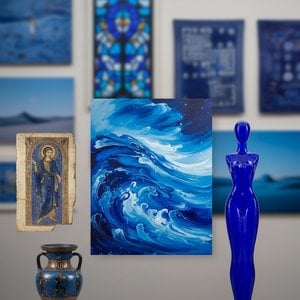
Explore the rich history of blue in art! Discover its symbolism, from ancient pigments to modern masterpieces by Kandinsky & Seurat. Uncover the psychological impact and cultural meanings behind this captivating hue.

Transform your home with soulful blue art. From serene Monet impressions to modern textured sculptures, discover curated masterpieces designed to inspire calm. Explore expert art consultations and bespoke hand-painted reproductions to create your personal sanctuary.

フランシス・ベーコンの傑作25選。魂を揺さぶる表現主義絵画の世界へ。人物画、三面図、ポープ・インノケンティウス10世など、美術史に残る名作をWahooArtで高精細複製画としてご紹介。インテリアに深みと個性を。今すぐコレクションをご覧ください。


 プレビュー
プレビュー
 シェアする
シェアする シェアする
シェアする
 詳細を見る
詳細を見る ガイド
ガイド

 ダウンロード
 似ている作品
 X線調査
X線調査 スライドショー
 統計情報
統計情報

 詳細を見る
詳細を見る









 ガラスオプションは、110cm未満のサイズでのみご利用いただけます。


