迅速な制作と多彩な仕上げオプションを備えた、ミュージアムクオリティのジークレーまたはキャンバスプリント。 ( 手描きの絵画を購入 デジタル画像販売へ切り替え)





























作品のオリジナル比率に合わせた、当店の規定サイズからお選びください。

特定のフレームやスペースに合わせて、ご自身でサイズを指定することも可能です。選択されたサイズが元の画像の比率と一致しない場合、作品をトリミングするか、鏡面反射または単色での塗りつぶしによって画像を拡張いたします。制作を開始する前に、ご確認用のデジタルモックアップをお送りいたします。
画面上のプレビューには、実際のトリミングや拡張は反映されませんのでご注意ください。最終的な構図を正確に確認できるのは、モックアップのみとなります。
カスタムサイズも承っておりますが、元の比率を維持するためには、あらかじめ用意されたリストからサイズを選択することをお勧めいたします。

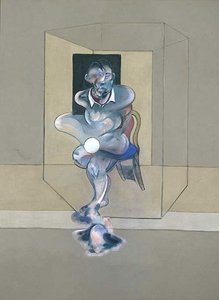
Blood on the Floor,
複製画のサイズ
Francis Bacon’s *Blood on the Floor*, painted in 1986, is not merely a depiction of a gruesome scene; it's a profoundly unsettling meditation on human suffering and the precariousness of existence. This large-scale oil painting immediately confronts the viewer with a starkly rendered room dominated by a white table stained with what can only be described as blood – a color that simultaneously evokes life, violence, and decay. The two strategically placed lights, one directly above the stain and another further back in the space, amplify the drama, casting harsh shadows that distort the forms and heighten the sense of unease. It’s a scene stripped bare of comfort or reassurance, reflecting Bacon's lifelong preoccupation with themes of isolation, anxiety, and the grotesque.
Created in the twilight years of his career, *Blood on the Floor* exemplifies the culmination of Bacon’s artistic journey. Born in Dublin in 1909, he spent decades grappling with a deeply personal and often turbulent emotional landscape. His early life, marked by instability and a strained relationship with his father, fueled a lifelong fascination with themes of pain and vulnerability. Unlike many artists of his time who sought to represent the world realistically, Bacon deliberately distorted forms, employing a technique that prioritized psychological impact over photographic accuracy. The painting’s raw, almost brutal execution – characterized by thick impasto layers and aggressive brushstrokes – reflects this commitment to conveying inner turmoil rather than external appearances. This was a deliberate rejection of traditional representation, embracing instead a subjective and intensely personal vision.
The symbolism within *Blood on the Floor* is deliberately ambiguous, contributing to its enduring power. The “blood” itself isn’t simply a literal depiction of injury; it represents a deeper, more primal force – perhaps the violence inherent in human nature, or the inevitable decay that awaits all living things. The room, devoid of recognizable objects and rendered with unsettling flatness, functions as a stage for this drama, isolating the figure (implied by the table) within its confines. Bacon frequently employed the grotesque to expose uncomfortable truths about the human condition, and *Blood on the Floor* is arguably one of his most potent examples. The painting’s impact lies in its refusal to offer easy answers or comforting resolutions; it forces us to confront our own anxieties and vulnerabilities.
Bacon's technique in *Blood on the Floor* is characterized by a layered approach, building up thick areas of paint with vigorous brushwork. The use of white as a dominant color intensifies the impact of the red stain, creating a visual vortex that draws the viewer’s eye directly to the center of the composition. Painted in 1986, this work sits firmly within Bacon's late-period output, a time when his explorations of human suffering reached their most intense and uncompromising level. It reflects the broader artistic climate of the mid-20th century, where artists were increasingly challenging traditional notions of beauty and representation, seeking instead to express the darker aspects of the human experience. This painting is a testament to Bacon's mastery of conveying raw emotion through form and color, solidifying his place as one of the most significant figures in 20th-century art.


1909 - 1992 , アイルランド

Master the nuances of Giclée printing with our expert guide. Discover how pigment-based inks and museum-grade substrates create fade-resistant, high-fidelity art reproductions designed for discerning collectors seeking unparalleled quality and longevity.

あなたのクリエイティビティを、世界中のファンへ届ける新しい形。在庫リスクなしで始められるオンデマンド・アートプリント販売をご紹介します。美術館品質のジークレー印刷技術を用い、デジタルな感性を一生のレガシーとなるファインアートへと昇華。WahooArtが提案する、洗練されたアーティスト・ビジネスの第一歩をここから。

Discover museum-quality Giclée paper prints at WahooArt. Elevate your space with archival, pigment-based reproductions of the world's greatest masterpieces. Affordable, elegant, and designed for lasting beauty. Start curating your timeless art legacy today.


 プレビュー
プレビュー
 シェアする
シェアする シェアする
シェアする
 詳細を見る
詳細を見る ガイド
ガイド

 ダウンロード
 似ている作品
 X線調査
X線調査 スライドショー
 統計情報
統計情報

 詳細を見る
詳細を見る









 ガラスオプションは、110cm未満のサイズでのみご利用いただけます。