

 Acrylic On CanvasWallArtRenaissance Early
 1437
1437 64.0 x 23.0 cm
 フリック・コレクション
スピーディーな制作と多彩な仕上げオプションが魅力の、ミュージアムクオリティなジークレー・キャンバスプリント。 ( 手描きの複製画を注文する デジタル画像販売へ切り替え)





























作品のオリジナル比率に合わせた、当店の規定サイズからお選びください。

特定のフレームやスペースに合わせて、ご自身でサイズを指定することも可能です。選択されたサイズが元の画像の比率と一致しない場合、作品をトリミングするか、鏡面反射または単色での塗りつぶしによって画像を拡張いたします。制作を開始する前に、ご確認用のデジタルモックアップをお送りいたします。
画面上のプレビューには、実際のトリミングや拡張は反映されませんのでご注意ください。最終的な構図を正確に確認できるのは、モックアップのみとなります。
カスタムサイズも承っておりますが、元の比率を維持するためには、あらかじめ用意されたリストからサイズを選択することをお勧めいたします。

Annunciation (8)
複製画サイズ一覧
The Annunciation, painted by Filippo Lippi around 1449-1459, is more than just a depiction of a pivotal biblical moment; it's a window into the burgeoning artistic and spiritual landscape of early Renaissance Florence. This tempera on panel masterpiece, now residing in the National Gallery in London, pulsates with a quiet intensity—a testament to Lippi’s unique approach to religious painting and his deeply personal vision. Initially conceived as part of a larger altarpiece intended for the chapel of the Medici palace in Prato, it retains an exquisite intimacy and emotional resonance that transcends its origins.
Lippi's artistic journey is inextricably linked to the legacy of Masaccio, whose innovative use of perspective and naturalism profoundly influenced his early work. The painting immediately echoes this influence—particularly in the subtly modeled forms of Mary and Gabriel, rendered with a delicate realism that was revolutionary for its time. However, Lippi swiftly developed his own distinctive style, characterized by a luminous palette, graceful figures, and an emphasis on serene contemplation. Unlike many of his contemporaries who favored dramatic gestures and elaborate compositions, Lippi’s Annunciation unfolds with a measured elegance, inviting the viewer to share in the quiet miracle unfolding before them.
The painting's visual impact is immediately striking due to Lippi’s masterful manipulation of light. He employs a technique known as “sfumato,” blurring the edges of forms and creating an atmospheric haze that softens the scene and imbues it with a sense of ethereal beauty. The colors are rich and harmonious—a blend of deep blues, vibrant reds, and delicate golds—that evoke both the sacredness of the event and the warmth of human emotion. Note particularly the luminous glow surrounding Mary’s face, suggesting her receptivity to divine grace. The background is rendered with a subtle depth, creating an illusion of space that draws the viewer into the intimate setting.
Lippi's use of gold leaf—particularly in the depiction of the dove and the halo around Mary—adds further luminosity and emphasizes the spiritual significance of the scene. The careful layering of paint creates a remarkable sense of texture, inviting close inspection and revealing the artist’s meticulous attention to detail. The composition itself is carefully balanced, with Gabriel positioned slightly off-center, drawing the eye towards Mary and the central moment of revelation.
Beyond its technical brilliance, the Annunciation is rich in symbolic meaning. The dove, representing the Holy Spirit, descends from heaven to announce Mary’s impending motherhood—a pivotal event in Christian theology. Gabriel's gesture of presenting the lily—a symbol of purity and innocence—underscores Mary’s virtue. The architectural setting, though simplified, suggests a domestic space—emphasizing the personal nature of this divine encounter. The inclusion of God’s hand at the top of the lunette is a subtle but powerful reminder of his active role in the unfolding drama.
Lippi's decision to depict Mary not as a passive recipient of grace, but as an intelligent and receptive figure—her face filled with wonder and contemplation—is particularly noteworthy. This portrayal reflects a shift in Renaissance art towards a more humanistic understanding of religious subjects, emphasizing the emotional and spiritual experience of faith. The painting speaks to the profound mystery of divine intervention and the transformative power of belief.
The Annunciation stands as a cornerstone of Lippi’s oeuvre and a significant work within the broader context of Renaissance art. Its influence can be seen in the works of subsequent generations of painters, who continued to draw inspiration from its luminous palette, graceful figures, and profound emotional depth. Today, it remains a captivating masterpiece—a testament to Filippo Lippi's artistic genius and his enduring contribution to the history of Western art. Reproductions capture only a fraction of the original’s power; experiencing this painting in person is an unforgettable encounter with beauty, spirituality, and the transformative spirit of the Renaissance.

1406 - 1469 , イタリア
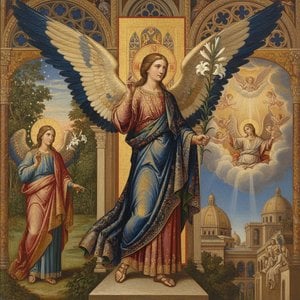
Explore the profound beauty of Angel Gabriel in art history. From Renaissance masterpieces to Baroque splendor, our expert guide delves into the sacred iconography and timeless techniques of these divine messengers for the discerning art enthusiast.

Discover the timeless art of fresco painting. Explore the profound history, technical mastery of buon fresco, and the enduring legacy of Renaissance masters like Michelangelo in this expert guide to painting on wet plaster.
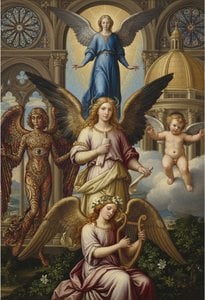
Explore the profound beauty of angelic figures in art history. From Renaissance masterpieces to celestial symbolism, our expert guide offers a sophisticated journey through the divine imagery of the Old Masters for discerning collectors and art enthusiasts.

Explore the profound mastery of fresco painting, from the technical alchemy of buon fresco to the legendary narratives of Renaissance masters like Ghirlandaio. Discover how this timeless medium shaped art history and continues to inspire architectural grandeur today.

 設置イメージを確認
 送る
送る シェア
シェア
 詳細情報
詳細情報 ガイドを表示

 画像をダウンロード
 似ている作品
 X線調査
X線調査 スライドショー
 統計情報
統計情報 続きを読む
続きを読む









 ガラスオプションは、110cm未満のサイズでのみご利用いただけます。


