
当社のアーティストが、お客様のご希望のサイズと額縁に合わせて、キャンバスに手描きで制作する油彩画です。 ( プリント版に切り替え デジタル画像販売へ切り替え)
作品のオリジナル比率に合わせた、当店の規定サイズからお選びください。

フレームや壁のスペースに合わせて、ご希望の幅と高さを入力してください。本作品は手描きのため、異なる比率のサイズをご希望の場合、絵画の周囲を少し広げて描くか、あるいは端を少しカットして調整することが可能です。お客様のご要望に合わせます。制作を開始する前に、仕上がりを確認するためのデジタルモックアップをお送りいたします。このページに表示されている画像は完成品の実物ではなく、あくまでモックアップによるイメージです。
Ara
複製画サイズ一覧
Fernando Gallego’s “Ara,” a fragment rescued from the vast ceiling fresco adorning the Salón de los Pasos Nobles in the University of Salamanca, is more than just a decorative panel; it's a meticulously crafted window into the spiritual and artistic landscape of late 15th-century Spain. The image depicts a dramatic scene – a stone structure, likely a tomb or shrine, dramatically illuminated by an array of golden stars and engulfed in stylized flames. The composition is intensely focused, drawing the eye to the central architectural element and its immediate surroundings, creating a powerful sense of both earthly solidity and celestial grandeur. Gallego’s masterful use of color—muted earth tones punctuated by vibrant reds and golds—evokes the solemnity of Byzantine iconography while subtly incorporating elements of the burgeoning Renaissance realism that was beginning to influence Spanish art.
The fresco's technique is undeniably *fresco*, a method involving applying pigments directly onto wet plaster. This creates an astonishingly durable surface, capable of withstanding centuries of exposure and preserving the delicate details of Gallego’s handiwork. The texture of the wall itself—rough and uneven, bearing the marks of time and weathering—adds a remarkable sense of depth and authenticity to the scene, grounding the fantastical elements in a tangible reality.
The flames dominating the composition are not merely decorative; they are potent symbols of purification, resurrection, and divine presence. Their stylized forms—angular and dynamic—suggest a fiery energy that transcends the earthly realm, hinting at an afterlife or a connection to the heavens. The golden stars surrounding the structure reinforce this celestial theme, creating a visual dialogue between the mortal world and the cosmos. The architectural element itself, though partially obscured, appears to be a tomb or shrine, further emphasizing the themes of death, rebirth, and eternal life—a common motif in Byzantine art and a reflection of the prevailing religious beliefs of the time.
Beyond these primary symbols, subtle details contribute to the overall narrative. The geometric shapes that define the structure’s edges and decorative elements speak to the influence of Flemish painting, known for its precise lines and meticulous attention to detail. The limited perspective—a deliberate choice by Gallego—creates a sense of intimacy and draws the viewer into the scene, inviting contemplation on the mysteries of faith and mortality.
Born around 1440 in Salamanca and tragically dying sometime before 1507, Fernando Gallego’s life spanned a pivotal era of artistic transition. He was a Castilian painter who skillfully blended the traditions of Northern European realism—particularly Flemish painting—with the established iconography and stylistic conventions of Spanish art. His legacy isn't defined by grand, solitary masterpieces but rather by a prolific output of meticulously crafted religious panels, altarpieces, and retablos that offer invaluable insights into the visual culture of his time. Gallego’s work demonstrates a remarkable ability to synthesize diverse influences, creating a unique artistic voice that is both deeply rooted in Spanish tradition and informed by the innovations of the Renaissance.
Gallego's skill as a painter is evident in his masterful use of color, composition, and technique. He was known for his detailed renderings of religious figures, often imbuing them with a sense of emotional depth and realism that was uncommon at the time. His work reflects a deep understanding of both artistic principles and religious symbolism, making it a valuable resource for art historians and collectors alike.
フェルナンド・ガジェゴ作「Ara」は、Softly Mixed Paletteな色彩の調和を見せています。
フェルナンド・ガジェゴは、フェルナンド・ガジェゴ(フルネーム)という別名でも知られています。
フェルナンド・ガジェゴ作「Ara」 のおすすめの用途は (Statement)、飾る場所は (Living Room) です。


1440 - 1507 , スペイン

Embark on a visual journey through Early Medieval art. Explore the profound beauty of illuminated manuscripts, sacred symbols, and golden light through an expert historical lens, celebrating the enduring legacy of medieval craftsmanship and divine artistry.
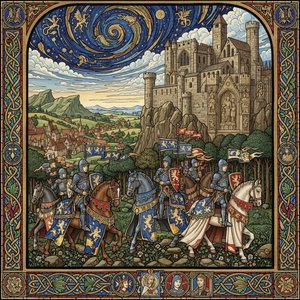
Explore the profound beauty of medieval art through the lens of history. Discover the symbolism of knights, the divine frescoes of Giotto, and how legendary masterpieces continue to inspire modern collectors and lovers of chivalric heritage.

Explore the profound mastery of fresco painting, from the technical alchemy of buon fresco to the legendary narratives of Renaissance masters like Ghirlandaio. Discover how this timeless medium shaped art history and continues to inspire architectural grandeur today.

Discover the timeless art of fresco painting. Explore the profound history, technical mastery of buon fresco, and the enduring legacy of Renaissance masters like Michelangelo in this expert guide to painting on wet plaster.

Embark on a scholarly journey through the golden era of Byzantine art. Discover the profound symbolism, masterful mosaics, and imperial grandeur that defined an epoch of spiritual and aesthetic splendor in this expert-led guide for art enthusiasts.


 送る
送る シェア
シェア
 詳細情報
詳細情報 ガイドを表示

 画像をダウンロード
 似ている作品
 スライドショー
 統計情報
統計情報

 続きを読む
続きを読む






































 ガラスオプションは、110cm未満のサイズでのみご利用いただけます。


