
 Ink On PaperEthnographic Drawing
 190019th Century
 61.0 x 43.0 cm
 National Museum of Ethnology
当社のアーティストが、お客様のご希望のサイズと額縁に合わせて、キャンバスに手描きで制作する油彩画です。 ( プリント版に切り替え デジタル画像販売へ切り替え)





























作品のオリジナル比率に合わせた、当店の規定サイズからお選びください。

特定のフレームやスペースに合わせて、ご希望のサイズをご入力いただけます。選択されたサイズが元の画像の比率と異なる場合、アートワークをトリミングするか、手描きで要素を追加して絵画を拡張いたします。デジタルモックアップ を制作し、制作開始前にご確認(承認)をいただきます。
画面上のプレビューは、実際のトリミングや拡張を正確に反映しているものではありません。最終的な構図は、モックアップによってのみ正確にご確認いただけます。
カスタムサイズもご利用いただけますが、元の比率を維持するためには、あらかじめ用意されたリストからサイズを選択することをお勧めいたします。

Ethnographic drawing -
複製画のサイズ
In the delicate intersection of scientific observation and artistic mastery lies Fernando Barbedo Galhano’s 1900 ethnographic drawing of the ‘gabo.’ This monochrome masterpiece serves as more than a mere illustration; it is a profound window into a vanishing world. The subject, a gourd lute from South America, is captured with such meticulous precision that one can almost feel the organic texture of the dried gourd and the tension of the strings. Rendered in grayscale tones against a soft, cream-colored backdrop, the composition possesses a quiet, meditative stillness. Every line serves a purpose, tracing the contours of this indigenous instrument with a reverence that transcends simple documentation, inviting the viewer to contemplate the rhythmic soul of a culture through the silent medium of pen and ink.
The technique employed by Galhano is a testament to the rigorous discipline of early 20th-century ethnographic illustration. Utilizing fine-point pen and ink, the artist achieves a remarkable sense of depth and three-dimensionality through sophisticated hatching and varying line weights. There is a rhythmic quality to the linework that mimics the very music the gabo was designed to produce. The lighting is soft and diffuse, eschewing dramatic shadows in favor of an even, honest illumination that celebrates the structural integrity of the instrument. This realistic, observational style allows the geometric precision of the neck and strings to harmonize with the organic, rounded forms of the gourd, creating a balanced visual experience that is both intellectually stimulating and aesthetically soothing.
For the discerning collector or interior designer, this piece offers a sophisticated touch of historical elegance. Its neutral palette and fine-line detail make it an incredibly versatile addition to a curated space, capable of anchoring a room with its scholarly weight while blending seamlessly into modern, minimalist, or classical settings. Beyond its decorative value, the drawing carries an emotional resonance—a poignant reminder of our shared human heritage and the importance of preserving cultural artifacts. Owning a reproduction of this work is not merely about acquiring art; it is about hosting a piece of history that celebrates the beauty of human ingenuity and the enduring power of ethnographic storytelling.

ガリャーノの芸術的な旅路は、ポルトにおいて巨匠アルトゥール・ロウレイロの指導を受けることから始まりました。この基礎的な訓練は、彼の絵画技術を研ぎ澄ませただけでなく、ポルトガルという国の文化的な機微に対する深い敬愛の念を彼の中に植え付けました。1937年、1943年、19デックス46年、1951年、そして1954年に開催されたサロン・シルヴァ・ポルト展への参加は、ポルトガルの芸術界における彼の存在をより確固たるものにしました。
1948年、彼は「イベリア半島民族学研究センター」の一員として、ジョルジュ・ディアス、エルネスト・ヴェイガ・デ・オリヴェイラ、ベンジャミン・ペレイラといった著名な人物たちと協力しました。この活動は彼のキャリアにおける重要な節目となり、当時の屈指の民族学的イラストレーターとしての地位を確立させました。彼の作品は極めて幅広いテーマを網羅しており、その筆致には以下のような情景が息づいています。
ガリャーノが遺したレガシーは、彼自身の時代を遥かに超えて広がっています。リスボンの国立民族学博物館の創設者の一人として、彼はポルトガルの文化的遺産を保存する上で極めて重要な役割を果たしました。彼の数千に及ぶドローイングは、ポルトガル文化の様々な側面を記録しているだけでなく、かつての植民地へと繋がる窓としての役割も果たしています。
フェルナンド・バルベド・ガリャーノの生涯は、芸術、研究、そして民族学が織りなす豊かなタペストリーでした。その作品を通じて、彼は美術界に消えない刻印を残し、彼の足跡を辿る人々に光を与え続けています。

1904 - 1995 , ポルトガル
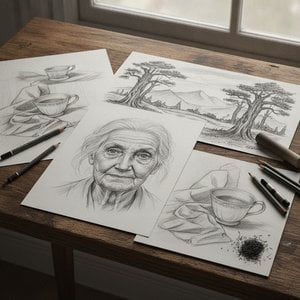
Explore the profound elegance of pencil and charcoal sketching. Discover how masters use line, shadow, and chiaroscuro to capture light and texture, bridging the gap between preparatory studies and timeless fine art masterpieces.

Explore the profound beauty of the sketch. Discover how masters use charcoal and graphite to capture raw emotion, anatomical precision, and fluid movement, bridging the gap between ephemeral marks and eternal oil masterpieces.

Explore the profound artistry of graphite drawing. Discover professional techniques for mastering depth, texture, and detail through a lens of art history, from classical sketches to modern masterpieces. Elevate your understanding of the pencil medium with our expert guide.

Elevate your artistic practice with this expert guide to mastering the line. Discover advanced techniques in graphite, charcoal, and contour drawing designed for art students seeking technical precision and expressive depth in their fine art studies.

Discover the sophisticated mastery of graphite drawing. Explore expert techniques for achieving profound depth, intricate texture, and hyper-realistic detail through the alchemy of carbon, curated for the discerning art enthusiast and professional collector.


 プレビュー
プレビュー
 シェアする
シェアする シェアする
シェアする
 詳細を見る
詳細を見る ガイド
ガイド

 ダウンロード
 似ている作品
 X線調査
X線調査 スライドショー
 統計情報
統計情報 詳細を見る
詳細を見る









 ガラスオプションは、110cm未満のサイズでのみご利用いただけます。


