プレビュー ARで試着 手描きの絵画を購入 デジタル画像販売へ切り替え シェアする
詳細を見る ガイド お気に入りに追加 ダウンロード 似ている作品 X線調査 スライドショー 統計情報

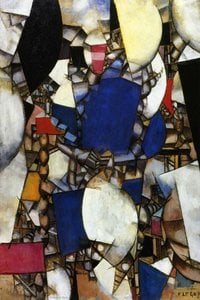
Woman with a Book

Fernand Léger’s “Woman with a Book,” created in 1923, exemplifies his unique style merging Cubism and Futurism. Characterized by bold geometric forms and vibrant colors, it portrays a woman holding a book against a red wall, reflecting Mechanistic Cubism's influence on the era. Explore its context within 20th-century Western painting alongside other notable Léger works.

レジェは、キュビスムと「チューブズム」の先駆者。機械美や都市生活を大胆な色彩と形態で表現し、ポップアートへの道を開いたフランス画家。現代社会のエネルギーと躍動感を捉えた作品群は、今なお多くの人々に影響を与え続けています。

ジークレー/アートプリント

迅速な制作と多彩な仕上げオプションを備えた、ミュージアムクオリティのジークレーまたはキャンバスプリント。 ( 手描きの絵画を購入 デジタル画像販売へ切り替え)

P118B $10
P118H $10
P118W $10
P438Z $10
P508JH $12
P508YH $12
P805H $10
P805Z $10
P919BZ $10
P919G $10
P919XJ $10
P959ZH $10
P968JZ $12
W106C $8
W218G $10
W218JH $8
W218Y $10
W307PJ $10
W316G $10
W316PJ $8
W316Y $10
W398PJ $8
W4111J $10
W500HY $15
W500JH $15
W692G $12
W849H $8
W940BG $15
W953PJ $8

標準サイズ
オーダーメイド
CM
INCH

作品のオリジナル比率に合わせた、当店の規定サイズからお選びください。

高さ

特定のフレームやスペースに合わせて、ご自身でサイズを指定することも可能です。選択されたサイズが元の画像の比率と一致しない場合、作品をトリミングするか、鏡面反射または単色での塗りつぶしによって画像を拡張いたします。制作を開始する前に、ご確認用のデジタルモックアップをお送りいたします。
画面上のプレビューには、実際のトリミングや拡張は反映されませんのでご注意ください。最終的な構図を正確に確認できるのは、モックアップのみとなります。
カスタムサイズも承っておりますが、元の比率を維持するためには、あらかじめ用意されたリストからサイズを選択することをお勧めいたします。

世界中への配送()は、標準の4〜5週間ではなく、2週間でお届けいたします。(22 9月)

why_choose_icon
世界中へ無料エクスプレス配送
why_choose_icon
高品質なリネンキャンバス
why_choose_icon
配送時完全保険付
why_choose_icon
関税・輸入税の払い戻し保証
why_choose_icon
忠実な色彩再現保証
why_choose_icon
100日間返品保証(製造上の欠陥がある場合のみ)
why_choose_icon
100% 全額返金保証
why_choose_icon
まとめ買い割引のご案内

合計金額

$ 68

reproduction

Woman with a Book

ジークレー/アートプリント

複製画のサイズ

-

合計金額

$ 68

作品詳細

  • Location: MoMA
  • Notable elements or techniques: Geometric forms, Vibrant colors
  • Title: Woman with a Book
  • Artist: Fernand Léger
  • Year: 1923
  • Dimensions: 116 x 81 cm
  • Influences: Futurism

アート・クイズ

各質問の正解は1つだけです。

問題 1:
What artistic movement is Fernand Léger primarily associated with?
問題 2:
The painting utilizes geometric forms and vibrant colors, characteristic of which style?
問題 3:
What is the primary subject matter depicted in Woman with a Book?
問題 4:
The inclusion of vases and a clock contributes to what aspect of the painting's composition?
問題 5:
Fernand Léger’s style aligns with the broader context of 20th-century Western painting by embracing innovations like...

Fernand Léger: A Pioneer of Mechanistic Cubism

Fernand Léger stands as one of the most distinctive figures in twentieth-century art, a painter who relentlessly pursued his own vision of abstraction while simultaneously grappling with the anxieties and fascinations of an era defined by industrialization. His canvases aren’t merely representations of objects; they are explorations of movement, rhythm, and the underlying geometric structure of reality—a radical departure from Impressionism and Expressionism that cemented his place as a pivotal innovator within Cubism and Futurism. Léger's singular style – dubbed “Tubism” by critics – captured the spirit of the machine age with breathtaking precision, offering viewers a glimpse into a world transformed by technological advancement.
  • Early Influences: Léger’s formative years were marked by exposure to Cézanne and Picasso, whose explorations of form and perspective profoundly impacted his artistic sensibilities. Cézanne's emphasis on solidity and simplification served as a crucial springboard for Léger’s own stylistic experiments.
  • Tubism – The Geometric Revolution: Léger’s breakthrough came with Tubism (1912–1914), where he abandoned traditional brushstrokes in favor of bold, interlocking geometric planes—cylinders, cones, cubes—that seemed to defy gravity and capture the essence of mechanical movement. This technique was revolutionary for its time, rejecting illusionistic representation altogether.
  • The Impact of World War I: The horrors of the First World War profoundly shaped Léger’s artistic worldview. His paintings from this period reflect a preoccupation with violence and destruction, yet simultaneously convey a sense of resilience and optimism—a testament to his unwavering belief in humanity's capacity for renewal.

Woman With A Book: Decoding Symbolism and Technique

Analyzing Léger’s “Woman With A Book”

“Woman With A Book,” created in 1923, exemplifies Léger’s masterful synthesis of Cubist principles with a humanist subject matter. The painting depicts a woman seated against a vibrant red wall, holding a book—a seemingly simple composition that belies its complex artistic significance. Léger skillfully employs geometric forms to convey both visual dynamism and psychological depth. The dominant red hue symbolizes passion and energy, contrasting sharply with the muted tones of the woman’s dress and hair.
  • Geometric Precision: Léger's meticulous attention to detail—evident in the precise rendering of the cylindrical vases and the clock—underscores his commitment to geometric abstraction as a tool for capturing reality.
  • The Role of Color: The bold use of color contributes significantly to the painting’s emotional impact, conveying a sense of contemplation and inner reflection. Léger's palette is deliberately restrained yet powerfully expressive.
  • Symbolic Significance: The book itself represents knowledge, wisdom, and intellectual curiosity—themes that resonate throughout Léger’s oeuvre. Its placement in the composition reinforces the painting’s contemplative mood.

Context Within 20th Century Western Painting

Léger's artistic trajectory unfolded against a backdrop of unprecedented cultural upheaval during the early twentieth century. The avant-garde movements—Fauvism, Cubism, Futurism, Surrealism—challenged traditional aesthetic conventions and interrogated fundamental questions about perception and representation. Léger’s Tubist style stood apart from many of his contemporaries, prioritizing geometric abstraction over illusionistic realism—a deliberate rejection of artistic dogma that cemented his legacy as a visionary artist. His work anticipated the stylistic trends of Pop Art in its embrace of simplified forms and bold colors.

Exploring Further Léger's Artistic Legacy

For those seeking to delve deeper into Fernand Léger’s extraordinary contribution to modern art, reproductions of “Woman With A Book” are available at WahooArt. Additionally, consider examining his other celebrated paintings—Soldier With A Pipe, The Baluster and The Creation Of The World Drawing Of Curtain Of Scene—each offering a unique perspective on the artist's distinctive style and thematic preoccupations. Léger’s enduring fascination with the interplay between form and function continues to inspire artists and collectors alike.

アーティストの略歴

レジェ、フォルムに鍛えられた生涯:機械時代の世界

フェルナン・レジェは、1881年にノルマンディー地方アルタンでジョゼフ・フェルナン・アンリ・レジェとして生まれ、近代美術の進化における重要な人物として立ちます。彼の人生は、故郷の農村地帯からパリのアバンギャルドの中心へと移り変わる旅であり、揺るぎない芸術的ビジョンと機械時代を捉えようとする飽くなき探求の証です。多くの同時代人が抽象化を表現からの後退として受け入れたのとは異なり、レジェはむしろ現代性—そのダイナミズム、機械的な形態、そしてその本質—を新しい視覚言語に統合しようと試みました。それは力強く抽象的でありながら、観察可能な世界に深く根ざしたものでした。彼の初期の人生は農業労働の肉体性に浸っており、彼が情熱的に描いた工業化された未来との対比となりました。当初は建築家を目指していましたが、1900年にパリに到着後、絵画への道へと転じ、設計技師として働きながら芸術的スキルを磨きました。この時期は伝統的な美術教育で特徴付けられていましたが、ポール・セザンヌの画期的な作品に出会うまでは真の変化が起こりませんでした。

「チューブ主義」の誕生と『黄金分割』

セザンの回顧展は1907年に触媒となり、レジェを従来の表現から解放し、より幾何学的で構造的なアプローチへと駆り立てました。彼は形態を分解し、その背後にある構造を分析し、新たなボリュームの強調とともにキャンバス上で再構築しました。この探求はすぐにキュビスムの領域へと彼を導きましたが、レジェはピカソやブラックのスタイルを単に複製するだけでは満足しませんでした。代わりに、彼は独自の独特な表現—遊び心のある批評家たちが「チューブ主義」と呼んだ彼の個人的なキュビスムの一形態—を発展させました。円筒形の形態、平坦化された平面、大胆な色彩コントラストによって特徴付けられるチューブ主義は、それが広く芸術的な関心の対象になるずっと前から機械美を祝いました。それは新興の工業世界を観察し、その機能的な形状と機械的なリズムの中に美を見出すことから生まれた芸術でした。この時期には、ジャン・メツィンガー、アンリ・ル・フォコニエ、フランシス・ピカビア、マルセル・デュシャンなどのアーティストとの連携を通じて、レジェは積極的にアバンギャルドシーンに参加しました。彼らの集団的な探求は芸術的表現の境界線を押し広げ、抽象芸術における将来の開発のための基盤を築きました。

戦争、機械化、そして新たな美学

第一次世界大戦の勃発は、レジェの人生と作品に大きな影響を与えました。1914年から1916年にかけての前線での従軍は、彼を近代戦争の容赦ない現実—砲撃、空中戦闘、そして機械化された紛争の人間性を奪う効果—にさらしました。この経験は幻滅や現代性の拒絶につながるのではなく、むしろ彼の機械への魅力を強めました。彼の奉仕中に作成されたスケッチは、破壊の道具である軍事技術の鮮やかな美しさを記録し、芸術的熟考の対象へと変えました。市民生活に戻った後、レジェの美的感覚はさらに進化しました。彼の絵画はより合理化され機械的な感性を示し始め、工業世界のダイナミズムと効率を祝いました。『パイプを持った兵士』(1916年)はそのシフトを例示しており、機械的精度を喚起する簡略化された形態と大胆な色彩を示しています。これは単なる美的選択ではなく、哲学的な声明—壊滅的な紛争の後でさえ、進歩と再生の可能性に対する現代性の肯定でした。

遺産と持続的な影響

戦後の数年間、レジェは芸術と産業の交差点を探求し続け、抽象と具象をユニークな形で融合させた作品を生み出しました。『アニメーションされた風景』シリーズ(1921年)では、人物や動物が合理化された構成にシームレスに統合され、有機形態と無機形態の境界線を曖昧にしています。彼はまた彫刻や映画実験にも取り組み、伝統的な絵画の枠を超えた芸術的実践を拡大しました。レジェの影響は、その後の世代のアーティストに否定できません。彼の形態の大胆な簡略化、工業イメージの採用、そして大衆文化のお祝いは、ポップアートの出現を先取りしました。ロイ・リキテンシュタインやアンディ・ウォーホルなどの芸術家は、レジェの先駆的な仕事への明確な負債を負っています。彼は抽象芸術と具象表現の間のギャップを埋め、知的厳格性と視覚的魅力の両方を持つ作品を作成することが可能であることを示しました。今日、フェルナン・レジェの絵画は世界中の主要美術館に収蔵されており、フランスのミュゼ・ダン・エ・ヒストワールや、彼の作品専用の国立フェルナン・レジェ美術館などがあります。彼は20世紀美術における先駆者であり続けています—壊滅的な紛争の後でさえ、機械時代の中に美を見出し、比類のない大胆さと独創性をもってキャンバスにそのエネルギーを翻訳した先見の明のある人物です。彼の遺産は単なる画家としてのものだけでなく、現代主義の預言者としてのものです。今日まで観客に共鳴し続ける真の先駆者です。
フェルナンド・レジェ

フェルナンド・レジェ

1881 - 1955 , フランス

基本情報

  • フルネーム: フェルナンド・レジェ
  • 主な作品:
    • The Sitted Woman
    • Machine Element
    • The Great Parade
    • The City
  • 出生地: Argentan, フランス
  • 国籍: フランス
  • 影響を与えたアーティスト: ['ポップアート']
  • 影響を受けたアーティスト: ['ポール・セザンヌ']
  • 死亡年月日: 1955年8月17日
  • 生年月日: 1881年2月4日
  • 芸術運動またはスタイル: キュビスム、チューブイズム
テーマ、スタイル、特徴別に分類された作品を探索しましょう。