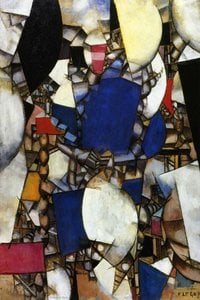
迅速な制作と多彩な仕上げオプションを備えた、ミュージアムクオリティのジークレーまたはキャンバスプリント。 ( 手描きの絵画を購入 デジタル画像販売へ切り替え)





























作品のオリジナル比率に合わせた、当店の規定サイズからお選びください。

特定のフレームやスペースに合わせて、ご自身でサイズを指定することも可能です。選択されたサイズが元の画像の比率と一致しない場合、作品をトリミングするか、鏡面反射または単色での塗りつぶしによって画像を拡張いたします。制作を開始する前に、ご確認用のデジタルモックアップをお送りいたします。
画面上のプレビューには、実際のトリミングや拡張は反映されませんのでご注意ください。最終的な構図を正確に確認できるのは、モックアップのみとなります。
カスタムサイズも承っておりますが、元の比率を維持するためには、あらかじめ用意されたリストからサイズを選択することをお勧めいたします。

The nude model in the workshop
複製画のサイズ
Fernand Léger’s paintings represent more than just visual representations; they embody a profound engagement with the transformative forces reshaping Europe at the dawn of the 20th century. Born in Argentan, Normandy, in 1881, Léger initially pursued architecture but swiftly gravitated towards painting, establishing himself amidst the burgeoning artistic fervor of Paris.
His technique involved applying thick layers of paint—often referred to as “impasto”—to create textured surfaces that mirrored the physicality of industrial machinery. Léger meticulously studied blueprints and photographs of factories, translating these observations into canvases dominated by bold reds, yellows, and blacks. These colors weren’t merely decorative; they served as symbolic representations of heat, fire, and the relentless drive of technological progress.
Notable Works:Beyond its formal innovations, Léger's art possesses a palpable emotional resonance. He aimed to provoke contemplation about humanity’s relationship with technology – questioning whether progress inevitably leads to dehumanization or whether it can inspire awe and wonder. Léger’s paintings continue to resonate today as reminders of a pivotal moment in artistic history—a bold assertion that beauty could be found even amidst the clangorous machinery of the industrial age.
Léger's use of color and form wasn’t arbitrary; it carried symbolic weight. Red, representing heat and passion, contrasted with yellow, symbolizing illumination and optimism. The repetition of geometric shapes—circles, squares, triangles—created a visual rhythm that mirrored the mechanical processes he observed in factories.
Léger’s distinctive technique involved applying paint thickly onto the canvas – “impasto” – creating textured surfaces that resembled industrial components. He meticulously studied blueprints and photographs of factories, translating these observations into simplified geometric forms.
Léger’s artistic vision emerged during a period of unprecedented industrial expansion across Europe. Artists like Léger responded to this transformative era by rejecting traditional representational conventions and embracing abstraction as a means of conveying the anxieties and aspirations associated with technological advancement.
Léger’s paintings invite viewers to confront questions about humanity’s role in shaping its own destiny. They convey both apprehension regarding the potential for dehumanization and exhilaration at the prospect of embracing technological progress—a legacy that continues to inspire artists and collectors alike.


1881 - 1955 , フランス

Explore the profound evolution of Cubist still life, from Cézanne's structural foundations to the fragmented brilliance of Braque and Léger. Discover how geometric abstraction redefined reality through a sophisticated lens of form, color, and modern artistic mastery.

Explore the vibrant world of Fernand Léger. Discover how his 'Tubism' and Machine Age aesthetics redefined modern art, offering profound inspiration for discerning collectors seeking geometric beauty and industrial dynamism.


 プレビュー
プレビュー
 シェアする
シェアする シェアする
シェアする
 詳細を見る
詳細を見る ガイド
ガイド

 ダウンロード
 似ている作品
 X線調査
X線調査 スライドショー
 統計情報
統計情報
 詳細を見る
詳細を見る









 ガラスオプションは、110cm未満のサイズでのみご利用いただけます。