アート相談を無料で

x
手描き複製画を注文する 手描き複製画を注文する画像を 購入する 画像を 購入する シェアするシェアする
詳細を見る詳細を見る お気に入りに追加 お気に入りに追加 ダウンロードダウンロード 似ている作品似ている作品 X線X線 スライドショースライドショー

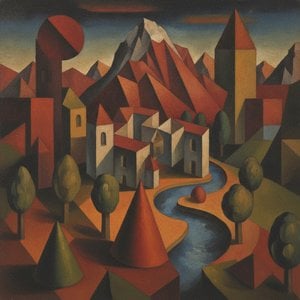
Study for The City

レジェは、キュビスムと「チューブズム」の先駆者。機械美や都市生活を大胆な色彩と形態で表現し、ポップアートへの道を開いたフランス画家。現代社会のエネルギーと躍動感を捉えた作品群は、今なお多くの人々に影響を与え続けています。

ジークレー/アートプリント

迅速な制作と多彩な仕上げオプションを備えた、ミュージアムクオリティのジークレーまたはキャンバスプリント。

P118B $10
P118H $10
P118W $10
P438Z $10
P508JH $12
P508YH $12
P805H $10
P805Z $10
P919BZ $10
P919G $10
P919XJ $10
P959ZH $10
P968JZ $12
W106C $8
W218G $10
W218JH $8
W218Y $10
W307PJ $10
W316G $10
W316PJ $8
W316Y $10
W398PJ $8
W4111J $10
W500HY $15
W500JH $15
W692G $12
W849H $8
W940BG $15
W953PJ $8

Standard
custom
CM
INCH

作品のオリジナル比率に合わせた、当店の規定サイズからお選びください。

高さ

特定のフレームやスペースに合わせて、ご自身でサイズを指定することも可能です。選択されたサイズが元の画像の比率と一致しない場合、作品をトリミングするか、鏡面反射または単色での塗りつぶしによって画像を拡張いたします。制作を開始する前に、ご確認用のデジタルモックアップをお送りいたします。
画面上のプレビューには、実際のトリミングや拡張は反映されませんのでご注意ください。最終的な構図を正確に確認できるのは、モックアップのみとなります。
カスタムサイズも承っておりますが、元の比率を維持するためには、あらかじめ用意されたリストからサイズを選択することをお勧めいたします。

世界中への配送()は、標準の4〜5週間ではなく、2週間でお届けいたします。(3 7月)

why_choose_icon
世界中へ無料エクスプレス配送
why_choose_icon
高品質なリネンキャンバス
why_choose_icon
配送時完全保険付
why_choose_icon
関税・輸入税の払い戻し保証
why_choose_icon
忠実な色彩再現保証
why_choose_icon
60日間返品保証(製造上の欠陥のみ)
why_choose_icon
100% 全額返金保証
why_choose_icon
まとめ買い割引のご案内

合計金額

-

reproduction

Study for The City

ジークレー/アートプリント

複製画のサイズ

-

合計金額

-

作品詳細

  • Medium: Oil on canvas
  • Artistic style: Constructivism
  • Year: 1917
  • Dimensions: 38 x 28 cm
  • Movement: Cubism
  • Title: The Observatory, study for The City
  • Subject or theme: Urban landscape; Industrial architecture

アート・クイズ

各質問の正解は1つだけです。

問題 1:
What artistic movement is Fernand Léger’s "The Observatory, study for the City" primarily associated with?
問題 2:
The image description mentions a prominent clock on one of the buildings. What does this detail suggest about Léger’s artistic intention?
問題 3:
Fernand Léger's background in architecture influenced his approach to painting. How did this influence manifest itself?
問題 4:
The image description describes the cityscape as ‘dynamic and bustling.’ Which artistic technique best reflects this impression?
問題 5:
Considering Léger’s broader artistic vision, what was his aim in integrating modernity into his artwork?

作品詳細説明

A Vision of Industrial Harmony: Exploring Fernand Léger’s “The Observatory, Study for The City”

Fernand Léger's "The Observatory, study for The City" isn’t merely a depiction of urban life; it’s a manifesto of artistic ambition—a bold declaration that Cubism could embrace the burgeoning dynamism of the machine age without sacrificing its fundamental geometric principles. Executed around 1912 during Léger’s formative years in Paris, this preparatory sketch anticipates the stylistic breakthroughs that would solidify his reputation as one of the most influential figures in early twentieth-century art. Unlike many artists preoccupied with capturing fleeting impressions or emotional nuances, Léger sought to distill complex realities into simplified forms—a deliberate strategy rooted in his fascination with industrial structures and their inherent visual logic.
  • Subject Matter: The sketch portrays a cityscape dominated by towering buildings rendered in fractured planes of geometric shapes – cubes, cylinders, and pyramids – reflecting Léger’s preoccupation with the mechanized world. A solitary figure walks along the street, emphasizing human presence amidst the overwhelming scale of industrial architecture.
  • Style & Technique: Léger's approach aligns perfectly with Cubism’s core tenets, pioneered by Picasso and Braque. However, this study distinguishes itself through Léger’s masterful use of hatching and cross-hatching to convey texture and depth—a technique he would refine in his larger canvases. The artist meticulously builds up tonal variations using short, angular strokes, creating a palpable sense of movement and solidity.
  • Historical Context: Léger emerged during the crucible of artistic experimentation following World War I, when artists wrestled with how to represent the trauma and upheaval of the era while simultaneously embracing technological progress. The sketch embodies this spirit of innovation—a refusal to succumb to sentimentalism or decorative conventions in favor of a rigorously analytical gaze.
  • Symbolism & Emotion: While devoid of overt emotional expression, “The Observatory” speaks volumes about Léger’s worldview. The geometric forms symbolize order and rationality – an antidote to the perceived chaos of modern life—yet they are juxtaposed with the human figure, reminding us that even in a mechanized world, humanity retains its essential role.

Beyond Representation: Léger's Geometric Exploration

Léger’s artistic philosophy extended far beyond mere stylistic imitation; it represented a profound reconsideration of how art could engage with reality. Influenced by Constructivism and Futurism—movements that championed industrial aesthetics and celebrated speed—he rejected traditional illusionistic painting in favor of abstraction as a means of conveying ideas and emotions directly. This commitment to geometric simplification wasn’t simply an aesthetic preference; it was a deliberate attempt to capture the essence of the machine age – its repetitive rhythms, its monumental scale, and its underlying structural unity.
  • Influence & Legacy: Léger's pioneering use of geometric abstraction profoundly impacted subsequent generations of artists, paving the way for movements like Pop Art and Minimalism. His unwavering belief in the power of form to communicate ideas continues to inspire contemporary creatives today.
  • Notable Works: Léger’s oeuvre encompasses monumental murals celebrating industrial progress alongside smaller canvases exploring themes of human existence and spirituality—demonstrating his versatility as an artist and his enduring fascination with reconciling opposing forces.

A Window Into Modernity: Reproductions & Inspiration

Today, reproductions of “The Observatory, study for The City” offer a captivating glimpse into Léger’s visionary aesthetic – a testament to the transformative potential of art when liberated from conventional constraints. Imagine incorporating this striking geometric sketch into your interior design scheme—a bold statement against the backdrop of neutral tones and organic textures. Explore high-quality prints at WahooArt.com, bringing Léger's groundbreaking vision home and enriching your appreciation for modernist art history. Let “The Observatory” serve as a reminder that beauty can be found in unexpected places – even within the framework of industrial precision.

関連作品


アーティストの略歴

レジェ、フォルムに鍛えられた生涯:機械時代の世界

フェルナン・レジェは、1881年にノルマンディー地方アルタンでジョゼフ・フェルナン・アンリ・レジェとして生まれ、近代美術の進化における重要な人物として立ちます。彼の人生は、故郷の農村地帯からパリのアバンギャルドの中心へと移り変わる旅であり、揺るぎない芸術的ビジョンと機械時代を捉えようとする飽くなき探求の証です。多くの同時代人が抽象化を表現からの後退として受け入れたのとは異なり、レジェはむしろ現代性—そのダイナミズム、機械的な形態、そしてその本質—を新しい視覚言語に統合しようと試みました。それは力強く抽象的でありながら、観察可能な世界に深く根ざしたものでした。彼の初期の人生は農業労働の肉体性に浸っており、彼が情熱的に描いた工業化された未来との対比となりました。当初は建築家を目指していましたが、1900年にパリに到着後、絵画への道へと転じ、設計技師として働きながら芸術的スキルを磨きました。この時期は伝統的な美術教育で特徴付けられていましたが、ポール・セザンヌの画期的な作品に出会うまでは真の変化が起こりませんでした。

「チューブ主義」の誕生と『黄金分割』

セザンの回顧展は1907年に触媒となり、レジェを従来の表現から解放し、より幾何学的で構造的なアプローチへと駆り立てました。彼は形態を分解し、その背後にある構造を分析し、新たなボリュームの強調とともにキャンバス上で再構築しました。この探求はすぐにキュビスムの領域へと彼を導きましたが、レジェはピカソやブラックのスタイルを単に複製するだけでは満足しませんでした。代わりに、彼は独自の独特な表現—遊び心のある批評家たちが「チューブ主義」と呼んだ彼の個人的なキュビスムの一形態—を発展させました。円筒形の形態、平坦化された平面、大胆な色彩コントラストによって特徴付けられるチューブ主義は、それが広く芸術的な関心の対象になるずっと前から機械美を祝いました。それは新興の工業世界を観察し、その機能的な形状と機械的なリズムの中に美を見出すことから生まれた芸術でした。この時期には、ジャン・メツィンガー、アンリ・ル・フォコニエ、フランシス・ピカビア、マルセル・デュシャンなどのアーティストとの連携を通じて、レジェは積極的にアバンギャルドシーンに参加しました。彼らの集団的な探求は芸術的表現の境界線を押し広げ、抽象芸術における将来の開発のための基盤を築きました。

戦争、機械化、そして新たな美学

第一次世界大戦の勃発は、レジェの人生と作品に大きな影響を与えました。1914年から1916年にかけての前線での従軍は、彼を近代戦争の容赦ない現実—砲撃、空中戦闘、そして機械化された紛争の人間性を奪う効果—にさらしました。この経験は幻滅や現代性の拒絶につながるのではなく、むしろ彼の機械への魅力を強めました。彼の奉仕中に作成されたスケッチは、破壊の道具である軍事技術の鮮やかな美しさを記録し、芸術的熟考の対象へと変えました。市民生活に戻った後、レジェの美的感覚はさらに進化しました。彼の絵画はより合理化され機械的な感性を示し始め、工業世界のダイナミズムと効率を祝いました。『パイプを持った兵士』(1916年)はそのシフトを例示しており、機械的精度を喚起する簡略化された形態と大胆な色彩を示しています。これは単なる美的選択ではなく、哲学的な声明—壊滅的な紛争の後でさえ、進歩と再生の可能性に対する現代性の肯定でした。

遺産と持続的な影響

戦後の数年間、レジェは芸術と産業の交差点を探求し続け、抽象と具象をユニークな形で融合させた作品を生み出しました。『アニメーションされた風景』シリーズ(1921年)では、人物や動物が合理化された構成にシームレスに統合され、有機形態と無機形態の境界線を曖昧にしています。彼はまた彫刻や映画実験にも取り組み、伝統的な絵画の枠を超えた芸術的実践を拡大しました。レジェの影響は、その後の世代のアーティストに否定できません。彼の形態の大胆な簡略化、工業イメージの採用、そして大衆文化のお祝いは、ポップアートの出現を先取りしました。ロイ・リキテンシュタインやアンディ・ウォーホルなどの芸術家は、レジェの先駆的な仕事への明確な負債を負っています。彼は抽象芸術と具象表現の間のギャップを埋め、知的厳格性と視覚的魅力の両方を持つ作品を作成することが可能であることを示しました。今日、フェルナン・レジェの絵画は世界中の主要美術館に収蔵されており、フランスのミュゼ・ダン・エ・ヒストワールや、彼の作品専用の国立フェルナン・レジェ美術館などがあります。彼は20世紀美術における先駆者であり続けています—壊滅的な紛争の後でさえ、機械時代の中に美を見出し、比類のない大胆さと独創性をもってキャンバスにそのエネルギーを翻訳した先見の明のある人物です。彼の遺産は単なる画家としてのものだけでなく、現代主義の預言者としてのものです。今日まで観客に共鳴し続ける真の先駆者です。
フェルナンド・レジェ

フェルナンド・レジェ

1881 - 1955 , フランス

基本情報

  • フルネーム: フェルナンド・レジェ
  • 主な作品:
    • The Sitted Woman
    • Machine Element
    • The Great Parade
    • The City
  • 出生地: Argentan, フランス
  • 国籍: フランス
  • 影響を与えたアーティスト: ['ポップアート']
  • 影響を受けたアーティスト: ['ポール・セザンヌ']
  • 死亡年月日: 1955年8月17日
  • 生年月日: 1881年2月4日
  • 芸術運動またはスタイル: キュビスム、チューブイズム
テーマ、スタイル、特徴別に分類された作品を探索しましょう。