スピーディーな制作と多彩な仕上げオプションが魅力の、ミュージアムクオリティなジークレー・キャンバスプリント。 ( 手描き複製画を注文する デジタル画像販売へ切り替え)





























作品のオリジナル比率に合わせた、当店の規定サイズからお選びください。

額縁や壁のスペースに合わせて、ご希望の幅と高さを入力してください。プリントはカットすることは可能ですが、元の画像より大きくすることはできないため、異なる比率のサイズを選択された場合は、画像の一部が欠けることになります。印刷を開始する前に、内容を確認していただくためのデジタルモックアップをお送りいたします。このページに表示されている画像は、実際のカット後の状態を示すものではありません。実際の仕上がりはモックアップにてご確認ください。
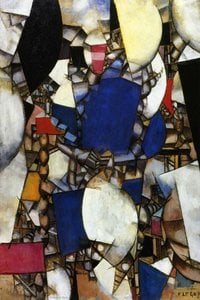
Geometric standards
複製画サイズ一覧
フェルナン・レジェは、フェルナン・レジエ, レジエフエルナン,という別名でも表記されます。
「Geometric standards」では、Acrylic On Canvasの技法とCubismの精神が融合しています。
「Geometric standards」にはgeometric forms, color palette, industrial age, modern art, cubist style, composition, machine aestheticが描かれており、その情緒はModernと表現されています。

フェルナン・レジェの物語は、ノルマンディー地方の下ノルマンディー、オルヌ県の小さな村アルジャンタンから始まります。1881年2月4日、一人息子としてこの世に生を受けた彼の幼少期は、フランスの田園地帯の静寂と、母マリー=アデル・ドーヌーの存在によって形作られました。牛の仲買人として生計を立てていた父は、フェルナンがまだ幼い頃に他界し、残された子は、敬虔で控えめな性格を持つ母の手によって育てられることとなりました。
ノルマンディーの農村風景の中で育まれたこの環境は、後に彼がフランス文化の喧騒の中に身を置くことになる生活とは、鮮やかな対照をなす土台となりました。彼のルーツが大地や農業という肉体的な営みに結びついていた一方で、その精神は近代という時代の複雑さへと惹きつけられていったのです。やがて彼はアルジャンタンの境界を遥かに越え、多才な表現者へと成長していきます。彼は自らの表現をキャンバスの中に限定することなく、彫刻や映画という動く映像を通じて、自らのヴィジョンを表現しようと模索し続けました。
彼の人生は、幼少期に触れた有機的な質感と、都市が刻む構造的で機械的なリズムとの間を絶え間なく揺れ動くプロセスでもありました。激動する世紀の変遷を歩む中で、この二面性こそが彼の存在そのものを定義づけていったのです。その歩みは決して平坦なものではありませんでした。幼少期の伝統的な世界と、後に彼が芸術を通じて定義づけることになる、急速に進化する工業化社会の鼓動との間に生じる緊張感。その葛藤こそが、彼の芸術の源泉となったのです。
フェルナン・レジェの芸術的ヴィジョンの根源は、フランス、ノルマンディー地方の下ノルマンディー、オルヌ県のアルジャンタンという田園風景の中に深く根ざしています。畜産業が営まれる世界に生を受けた彼の幼少期は、大地の持つ肉体性と、農業生活の絶え間ないリズムによって形作られました。この、手触りのある労働の世界に根ざした経験は、後に彼が展開するより複雑な芸術的探求の底流に、静かな存在感として残り続けることになります。一人息子として生まれた彼は、敬虔で控えめな性格の母親によって育てられ、その歩みは当初、建築という規律ある学問へと導かれていきました。1897年から1899年にかけて、彼はこの技術的な職人技に身を捧げ、空間の論理と精密な製図の必要性を学んでいったのです。
1900年を迎えると、都市の引力は無視できないほどに強まり、彼はパリへと移住しました。建築製図師として働きながら生計を立てた彼は、線とプロポーションに対する鋭い審美眼を養っていきました。建築の正規の訓練は、構造的な理解という強固な基礎を彼に与えましたが、その心は次第にキャンバスへと傾いていきます。彼は名高いエコール・デ・ボザールへの入学を試みますが、正規の学生としての地位を得ることは叶いませんでした。しかし、彼は屈することなく、非正規の学生として同校に通い続け、アカデミズムの境界線に身を置きながら、巨匠たちの教えを吸収していきました。この探求の時期は、時に「模索の時代」とも称されますが、後に彼が自らのイメージで世界を解体し、再構築するために用いることになる卓越した技術を磨き上げる上で、欠かすことのできない重要なプロセスとなったのです。
フェルナン・レジェの芸術人生における決定的な転換点は、1907年のサロン・ドートンヌにおけるセザンヌの回顧展との出会いにありました。この衝撃的な邂逅は、彼を若き日の柔らかな印象派的な表現から引き離し、より構造的な視覚への探求へと駆り立てる触媒となったのです。彼は事物の表面的な描写を超え、世界を定義づける根源的な幾何学的構造を追い求めるようになりました。1909年を迎える頃には、パリの創造的な社交界における彼の存在感は確固たるものとなり、アレクサンドル・アルシプンコ、ジャック・リプシッツ、マルク・シャガール、そしてロベール・ドローネーといった巨匠たちとの交流が始まります。これらの出会いは単なる社交の場ではなく、新たな思想が激しく衝突し、彼の未熟なヴィジョンを形作っていくための不可欠なプロセスであったのです。
歳月が流れるにつれ、彼は「セクシオン・ドール(黄金分割)」としても知られるプティ・グループの勢力圏へと足を踏み入れていきます。ジャン・メツィンガーやアンリ・ル・フォコニエと共に、彼はこの新しい視覚言語が持つ数学的、あるいは構造的な可能性を深く掘り下げていきました。しかし、フェルナン・レジェは単に先人たちが切り拓いた道をなぞるだけでは満足しませんでした。彼は、断片化された平面や重なり合う形態によって定義されるその時代特有の表現の中で、自分自身の独自の道を切り拓こうと試みたのです。こうした激しい実験の連続は、1911年のサロン・デ・タンデパンにおける初の重要な展覧会へと結実し、そこで彼は『森の裸婦』を世に送り出すことになります。
第一次世界大戦という未曾有の混乱は、芸術家をパリの静かなアトリエから引き剥がし、戦場の過酷な現実へと投げ込みました。1914年から1917年にかけて、フェルナン・レジェはフランス軍に身を置き、アルゴン地方での過酷な日々を過ごしました。この紛争は、単なる彼の人生の背景となっただけではありません。それは、形態に対する彼の認識そのものを根底から変えてしまうほどの、変容をもたらす力となったのです。1916年、彼は毒ガス攻撃によって死の淵を彷徨い、回復を待つ間、周囲の世界は工業的な破壊の圧倒的な力によって塗り替えられていきました。同年、束の間の休暇を得た際にも、彼は描かずにはいられず、パイプを持った兵士を制作しました。この作品は、戦場を支配する機械の性質を、人間の姿が帯び始めているという、新たな現実の感覚を見事に捉えていたのです。
1917年を迎える頃には、彼の創造精神には明確な転換が訪れており、後に「機械主義的時期」と呼ばれるスタイルの幕開けを告げていました。彼は、近代的な戦争や工業技術の中に、奇妙でリズム感のある美しさを見出したのです。滑らかで円筒形のフォルムや、精密な機械部品の正確さは、彼の新たな視覚言語となりました。彼はこれらの対象を、決して冷淡で無機質なものとは見なしませんでした。むしろ、その強靭さと、混沌とした現代の存在を秩序立てる能力を、彼は肯定的に受け入れたのです。戦争は、初期の作品に見られた柔らかな輪郭を剥ぎ取り、代わりに、変わりゆく時代の鋼鉄やピストンを反映したような、鋭利で構造的な明晰さを与えたのでした。
フェルナン・レジェの筆致は、まるで工業的な精密さを備えたリズムを刻むかのように動き、移り変わる時代の鼓動を捉えようとしていました。彼は、過去の芸術に見られたような柔らかく混ざり合う影を捨て去り、代わりに、力強く幾何学的な強さを持つ言語を通じて、自身の構成を構築することを選んだのです。この探求が、批評家たちが「チューブ主義」と呼ぶ、彼独自のキュビスムの形態を生み出すこととなりました。このスタイルにおいて、世界は円筒形、円錐形、そして立方体の形態を通して再構築され、実体感とダイナミズムを兼ね備えたボリューム感を生み出しています。彼は単に物体を描写したのではなく、その背後にある本質的かつ構造的な論理を見出そうとしたのです。
彼が選ぶ色彩は、それらが充填される形態と同じくらい、主張に満ちたものでした。原色を主体とし、そこに鮮烈な白と黒がアクセントとして加わるパレットを好んだことは、主題の鋭い境界線を際立たせる役割を果たしました。伝統的な錯視表現に頼るのではなく、彼は大胆に平坦化された色彩の面として絵具を置いていきました。また、しばしば厚塗りのインパスト(impasto)という技法を用い、キャンバス上における絵具の物質的な存在感を強調しました。こうした質感へのこだわりは、彼の作品に地に足のついた物質的な実体感を与え、彼が深く敬愛した機械や都市構造物の性質を鏡のように映し出しています。彼の描く人物像は、しばしば滑らかで機械的な形状を帯び、有機的な人間の形態と、近代が生み出した精密な工学技術との境界線を曖昧にしていきました。
世界的な紛争の激動は、やがてアーティストをパリのアバンギャルドな社交界から引き離し、大西洋の向こう側へと送り出しました。1940年から1945年にかけての米国での生活は、彼が長年キャンバスに写し取ろうと試みてきた「近代」という世界に対し、また異なる視点を与えてくれる貴重な時間となりました。この異国での日々は、彼の長い芸術的進化におけるひとつの休息であり、後にフランスの土へと帰還する前の、過渡期とも言える重要な瞬間でした。
故郷へと戻ったフェルナン・レジェの私生活には、大きな変化が訪れます。1952年2月、彼はナディア・ホダセヴィッチと結婚しました。この結びつきは彼の人生の最終章を彩り、その間も彼は、壮大な壁画から繊細なステンドグラスに至るまで、多岐にわたる作品制作に情熱を注ぎ続けました。齢を重ねてもなお、国際的な舞台における彼の評価が揺らぐことはありませんでした。1955年、彼はサンパウロ・ビエンナーレでグランプリを受賞するという栄誉を手にしますが、それは彼がこの世を去るのと同じ年でもありました。フェルナン・レジェは、1955年8月17日、フランスのジフ=シュル=イヴェットにて、その波乱に満ちた生涯を閉じました。
フェルナン・レジェが残した足跡は、彼が生きた時代のアバンギャルドな界隈を遥かに越えて、広大な広がりを見せています。抽象芸術と具象表現の間に架け橋を築くことで、彼は人間という主題を完全に放棄することなく、現代世界と向き合うための新たな道を提示しました。彼の画法は、幾何学的な構造の論理と、人や物が持つ認識可能な存在感との間に、豊かな対話をもたらしたのです。純粋に概念的なものと、手で触れられるような実体的なものとの間で、この中間地点を見出す卓越した能力は、その後に続く多くの芸術の方向性を決定づけることとなりました。
形態を大胆に簡略化する手法や、大量生産の美学に対する彼の情熱は、後のポップアート運動の先駆けとなりました。彼は機械時代の反復的で機能的な性質の中に、ある種の美しさを見出しました。その視点は、後に登場する新しい世代のクリエイターたちの心に深く共鳴することになります。ロイ・リキテンシュタインやアンディ・ウォーホルといった芸術家たちは、太い輪郭線や機械的なイメージを用いた彼の実験的な試みから、大衆文化を探求する自らの表現へと、明確な系譜を見出しています。彼は、かつて自身がキャンバスに写し取ろうとした工業的・商業的な要素そのものを称賛することになる時代の、視覚言語を整える準備を整えた先駆者であったと言えるでしょう。
フェルナン・レジェのビジョンが持つ圧倒的な実在感に触れるなら、フランス南部、アルプ=マリティーム県のビオへと足を運ぶのがよいでしょう。ここには、彼の創造的な足跡を研究し、保存することに捧げられた場所、国立フェルナン・レジェ美術館が佇んでいます。美術館は、かつて彼自身が所有していたヴィラ、マ・サン・タンドレに位置しています。この壁の内側、そして周囲に広がる庭園の中で、彼の多色使いのセラミック彫刻は本来あるべき場所を見出し、地中海の風景がもたらす光や空間と、その形態がいかに響き合っているかを観る者に伝えてくれます。
この特別な聖域以外にも、彼のキャンバスや彫刻は世界各地の重要な美術館に収蔵されています。フランスの美術館(Musée d'Art et d'Histoire)は彼の作品コレクションを保持しており、フランス美術の大きな物語の中に彼の存在を確固たるものにしています。これらのコレクションを通じて、彼がいかにして機械時代のエネルギーを、静止していながらも脈動する視覚的形態へと翻訳したのかを、私たちは今も学び続けることができるのです。彼の独特な美学を追い求める旅人は、以下のような主要なコレクションの中にその足跡を見出すことができるでしょう。
彼の精神は他の芸術家たちの作品の中にも静かに息づいていますが、その直接的な筆致を目の当たりにする最も確かな方法は、こうした確立された美術館を訪れることです。美術館の静謐な空間で大胆な円筒形の形態を眺める時も、あるいは庭園の静けさの中で彫刻と対峙する時も、観る者は彼の生涯を定義づけたあの構造的な明晰さと出会うことになります。彼の遺産は、これらの場所へと深く根ざしています。そこでは、彼の絵画が持つ重厚で機械的なリズムが、その幾何学的な真実を求める人々のために、今も大切に守り続けられているのです。

1881 - 1955 , フランス

Journey through the bold shapes and vibrant colors of geometric abstraction. Explore the stories behind 10 iconic masterpieces that redefined modern art. Find museum-quality reproductions and decor inspiration for your space. Discover all masterpieces on WahooArt.com.
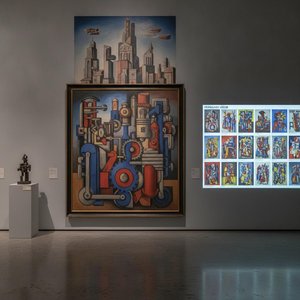
Immerse yourself in the vibrant world of Fernand Léger. Explore 25 iconic masterpieces of Cubism and Tubism, from bold geometric forms to machine-age energy. Find inspiration for your decor with museum-quality reproductions. Discover all masterpieces on WahooArt.com.

Explore the vibrant world of Fernand Léger. Discover how his 'Tubism' and Machine Age aesthetics redefined modern art, offering profound inspiration for discerning collectors seeking geometric beauty and industrial dynamism.
 設置イメージを表示
 シェアする
シェアする シェアする
シェアする
 詳細を見る
詳細を見る ガイドを表示

 ダウンロード
 似ている作品
 X線調査
X線調査 スライドショーを表示
 Q&A
Q&A
 統計情報
統計情報

 詳細を表示
詳細を表示









 ガラスオプションは、110cm未満のサイズでのみご利用いただけます。