

 Acrylic On CanvasWallArtFernand Léger
 1950Modern
 19.0 x 15.0 cm
スピーディーな制作と多彩な仕上げオプションが魅力の、ミュージアムクオリティなジークレー・キャンバスプリント。 ( 手描きの複製画を注文する デジタル画像販売へ切り替え)





























作品のオリジナル比率に合わせた、当店の規定サイズからお選びください。

特定のフレームやスペースに合わせて、ご自身でサイズを指定することも可能です。選択されたサイズが元の画像の比率と一致しない場合、作品をトリミングするか、鏡面反射または単色での塗りつぶしによって画像を拡張いたします。制作を開始する前に、ご確認用のデジタルモックアップをお送りいたします。
画面上のプレビューには、実際のトリミングや拡張は反映されませんのでご注意ください。最終的な構図を正確に確認できるのは、モックアップのみとなります。
カスタムサイズも承っておりますが、元の比率を維持するためには、あらかじめ用意されたリストからサイズを選択することをお勧めいたします。

Birthday, two women
複製画サイズ一覧
Fernand Léger's 1950 ink wash drawing, “Birthday, two women”, is a work that belies its modest dimensions. Measuring just 19 x 15 cm, it possesses an emotional weight and visual impact far exceeding its size. It’s not a grand statement of post-war optimism, nor a flamboyant display of artistic virtuosity; instead, it's a deeply personal exploration of human connection, rendered with the characteristic boldness and sensitivity that define Léger’s mature style. The artwork draws us into an intensely private moment, a glimpse of intimacy shared between two nude female figures locked in a close embrace. This isn’t a scene presented for voyeuristic pleasure; rather, it feels like stumbling upon something profoundly personal, a quiet exchange shielded from the outside world.
Léger's artistic journey was one of constant evolution. Beginning with Impressionist leanings, he quickly became a pivotal figure in the development of Cubism, before forging his own distinct path with what came to be known as “Tubism.” In “Birthday, two women”, we see this legacy beautifully distilled. The figures are constructed not through realistic representation, but through simplified geometric forms – cylinders, cones, and planes interlock and overlap, creating a sense of volume and solidity without adhering to traditional perspective. This flattening of form isn’t merely stylistic; it intensifies the focus on the interplay between the bodies, emphasizing their physical connection and shared space. The deliberate cropping of the composition further enhances this effect, eliminating any distracting background elements and forcing the viewer to confront the raw emotional core of the scene. The technique itself – ink wash with visible brushwork – adds a dynamic texture, suggesting spontaneity and a gestural approach that belies the careful construction underlying the image. Bold black lines dominate, sharply contrasting against the pale pink or lilac ground, amplifying the dramatic tension and lending the work a sense of urgency.
Created in the aftermath of World War II, “Birthday, two women” reflects a subtle shift in Léger’s artistic concerns. While he continued to embrace his signature simplified forms and bold compositions, there was a growing interest in figurative subjects and themes of human connection. The war had left an indelible mark on Europe, fostering a sense of anxiety and uncertainty. In this context, the intimate embrace depicted in the artwork can be interpreted as a yearning for solace, a celebration of life amidst the ruins. The symbolism is deliberately ambiguous, inviting contemplation rather than offering definitive answers. The nude figures suggest vulnerability and openness, while their closeness speaks to desire and affection. However, the somber mood – created by the limited palette and stark lines – hints at underlying complexities, suggesting that even in moments of intimacy, shadows of doubt or melancholy may linger. It’s a work that doesn't shy away from the ambiguities of human experience.
For collectors, “Birthday, two women” represents a unique opportunity to acquire a compelling example of Léger’s post-Cubist style. Its intimate scale makes it particularly well-suited for smaller spaces or as part of a curated gallery wall. The muted pink/lilac background offers remarkable versatility, pairing beautifully with a range of color schemes and interior aesthetics. Its bold lines and simplified forms complement modern and contemporary interiors, adding a touch of sophisticated artistry without overwhelming the space. Beyond its aesthetic appeal, this artwork is guaranteed to spark conversation – its intriguing subject matter and ambiguous symbolism invite viewers to engage with it on a deeper level. It’s more than just a decorative object; it's an invitation to contemplate the complexities of human relationships and the enduring power of connection.

1881 - 1955 , フランス
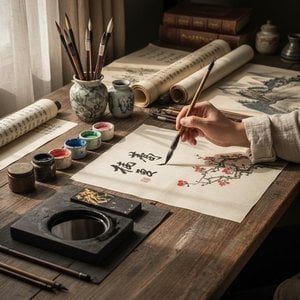
Embark on a sophisticated exploration of ink wash painting and Sumi-e. Uncover the profound historical lineages, Zen philosophies, and technical mastery behind this timeless medium in our authoritative guide for fine art enthusiasts.

Explore the vibrant world of Fernand Léger. Discover how his 'Tubism' and Machine Age aesthetics redefined modern art, offering profound inspiration for discerning collectors seeking geometric beauty and industrial dynamism.

 設置イメージを確認
 送る
送る シェア
シェア
 詳細情報
詳細情報 ガイドを表示

 画像をダウンロード
 似ている作品
 X線調査
X線調査 スライドショー
 統計情報
統計情報 続きを読む
続きを読む









 ガラスオプションは、110cm未満のサイズでのみご利用いただけます。





