

スピーディーな制作と多彩な仕上げオプションが魅力の、ミュージアムクオリティなジークレー・キャンバスプリント。 ( 手描きの複製画を注文する デジタル画像販売へ切り替え)





























作品のオリジナル比率に合わせた、当店の規定サイズからお選びください。

額縁や壁のスペースに合わせて、ご希望の幅と高さを入力してください。プリントはカットすることは可能ですが、元の画像より大きくすることはできないため、異なる比率のサイズを選択された場合は、画像の一部が欠けることになります。印刷を開始する前に、内容を確認していただくためのデジタルモックアップをお送りいたします。このページに表示されている画像は、実際のカット後の状態を示すものではありません。実際の仕上がりはモックアップにてご確認ください。
Ball bearing
複製画サイズ一覧
Fernand Léger's 1926 painting, "Ball Bearing," is more than just a still life; it’s a meticulously crafted meditation on the burgeoning relationship between humanity and machinery. Executed during a period of unprecedented industrial growth and technological innovation, the work embodies Léger’s signature style – a vibrant synthesis of Cubism's fragmented forms with an optimistic embrace of the machine age. The painting depicts a seemingly chaotic arrangement of objects within a red box: bottles of varying shapes and sizes, alongside a central oval form, all contributing to a dynamic composition that feels both familiar and strikingly new. Léger’s intention wasn’t simply to represent these items realistically, but rather to explore their inherent geometric qualities and the rhythmic patterns they evoke – echoes of the factories and urban landscapes transforming Europe at the time.
Léger's artistic trajectory was profoundly shaped by his upbringing in rural Normandy, a region deeply connected to agriculture and traditional craftsmanship. This experience provided a crucial counterpoint to the increasingly mechanized world he encountered in Paris. He rejected the prevailing trend of pure abstraction, instead seeking to translate the visual language of machines – their angularity, their repetitive patterns, their inherent energy – into a new artistic vocabulary. “Ball Bearing” exemplifies this approach perfectly. The box itself can be interpreted as a container for these mechanical forms, while the bottles and oval object become stylized representations of industrial components, echoing the rhythmic processes of production.
Historical Context: The painting was created during the interwar period (1918-1939), a time of rapid technological advancement and social upheaval. Léger’s work reflects this era's fascination with industrialization, urbanization, and the changing role of humanity in a world increasingly dominated by machines.Léger employed a distinctive technique characterized by bold brushstrokes, vibrant color application, and a deliberate emphasis on surface texture. The painting’s composition is carefully constructed to create a sense of visual rhythm and movement. The overlapping planes, the varying sizes of the objects, and the strategic placement of light and shadow all contribute to this dynamic effect. Notice how Léger uses repetition – the bottles, for example – not as mere duplication but as elements within a larger, more complex pattern. This technique reflects his belief that art should capture the essence of modern life, with its inherent order and dynamism.
"Ball Bearing" transcends a simple depiction of objects; it’s a symbolic representation of humanity's evolving relationship with technology. The painting evokes a sense of both wonder and apprehension – a recognition of the potential power of machines while simultaneously acknowledging their impact on human experience. Léger’s optimistic vision suggests that this integration of form and function could lead to a new era of harmony, where art and industry coexist in a mutually beneficial relationship. The bold colors and energetic composition imbue the work with a palpable sense of vitality, inviting viewers to contemplate the transformative forces shaping their world.
Industrialな雰囲気を持つ「Ball bearing」は、Living Roomに飾るのがおすすめです。
「Ball bearing」は、Largeのプリントサイズでの印刷をおすすめします。他のサイズについても、同じ比率でご利用いただけます。
「Ball bearing」では、IndustrialなムードにReflectiveな感情が添えられています。

1881 - 1955 , フランス
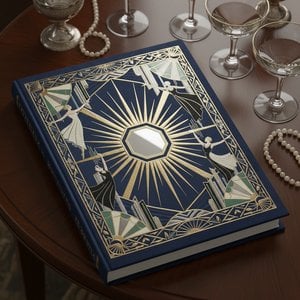
Discover the allure of Art Deco through a curated guide to its most iconic masterpieces. Explore the elegance of Erté and the innovation of Jean Dunand, perfect for collectors seeking timeless glamour and sophisticated design inspiration.

Discover the breathtaking allure of Art Deco. Explore the era's iconic geometry, legendary designers like Erté, and timeless glamour. Perfect for discerning collectors seeking to infuse their spaces with sophisticated modernist elegance and historical prestige.

Master the nuances of Giclée printing with our expert guide. Discover how pigment-based inks and museum-grade substrates create fade-resistant, high-fidelity art reproductions designed for discerning collectors seeking unparalleled quality and longevity.

 設置イメージを確認
 送る
送る シェア
シェア
 詳細情報
詳細情報 ガイドを表示

 画像をダウンロード
 似ている作品
 X線調査
X線調査 スライドショー
 統計情報
統計情報

 続きを読む
続きを読む









 ガラスオプションは、110cm未満のサイズでのみご利用いただけます。


