迅速な制作と多彩な仕上げオプションを備えた、ミュージアムクオリティのジークレーまたはキャンバスプリント。 ( 手描きの絵画を購入 デジタル画像販売へ切り替え)





























作品のオリジナル比率に合わせた、当店の規定サイズからお選びください。

特定のフレームやスペースに合わせて、ご自身でサイズを指定することも可能です。選択されたサイズが元の画像の比率と一致しない場合、作品をトリミングするか、鏡面反射または単色での塗りつぶしによって画像を拡張いたします。制作を開始する前に、ご確認用のデジタルモックアップをお送りいたします。
画面上のプレビューには、実際のトリミングや拡張は反映されませんのでご注意ください。最終的な構図を正確に確認できるのは、モックアップのみとなります。
カスタムサイズも承っておりますが、元の比率を維持するためには、あらかじめ用意されたリストからサイズを選択することをお勧めいたします。

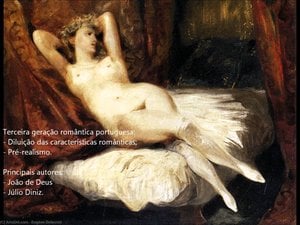
Odalisque Reclining on a Divan
複製画のサイズ
In the heart of the Romantic era, few works capture the intoxicating allure of the exotic as profoundly as Eugène Delacroix’s Odalisque Reclining on a Divan. Completed in 1857, this oil on canvas masterpiece serves as a breathtaking window into the nineteenth-century fascination with Orientalism. The painting presents a woman lost in a moment of serene repose, draped in fine linens that cling to her form, resting upon an opulent divan. Delacroix does not merely depict a figure; he constructs an atmosphere of warmth and luxury through a vibrant palette where deep reds, luminous golds, and soulful blues dance together. For the discerning collector or interior designer, this piece offers more than mere decoration; it provides a focal point of intense character, capable of transforming a room into a sanctuary of classical elegance and worldly intrigue.
The technical mastery behind this work lies in Delacroix’s rejection of rigid, clinical precision in favor of emotional truth. Unlike his contemporary Ingres, who sought perfection through sharp outlines, Delacroix utilized loose, expressive brushstrokes that imbue the scene with a sense of living movement. The way light interacts with the swirling drapery and the soft contours of the reclining figure demonstrates a sophisticated use of chiaroscuro, creating dramatic contrasts between shadow and illumination. This technique sculpts the subject, giving her a tangible presence that feels both ethereal and grounded. To possess a high-quality reproduction of this work is to bring home the very essence of the painterly movement—a celebration of texture, light, and the spontaneous energy of the brush.
To understand the Odalisque Reclining on a Divan, one must look toward the historical currents that swept through Europe following Napoleon’s expedition to Egypt. This era ignited a profound curiosity regarding the Middle East, leading artists to dream of the lush, mysterious interiors of Ottoman palaces. Delacroix, a master of this genre, uses the figure of the odalisque—a chambermaid of the seraglio—to explore themes of beauty, contemplation, and the exotic. While the setting may evoke the eroticized fantasies common to the period, there is a profound dignity in the subject's gaze. She meets the viewer not with provocation, but with a sense of inner peace and quiet strength, making the painting a study of feminine grace amidst an opulent, worldly backdrop.
Every element within the composition contributes to this narrative of luxury and stillness. The presence of objects such as the narghile (water pipe) and the rich textures of the surrounding room serve as symbols of a distant, idealized world. For those looking to curate an art collection, this painting offers a unique emotional impact; it evokes a sense of nostalgia for a time of discovery and romanticism. Whether placed in a grand salon or a sophisticated study, the work acts as a conversation piece that bridges the gap between historical storytelling and modern aesthetic appreciation, inviting all who behold it to linger in its warm, sun-drenched embrace.

1798年、パリ近郊のシャルトン=サン=モーリスに生まれたフェルディナン・ヴィクトル・ウジェーヌ・ドラクロワは、単なる画家ではありませんでした。彼はロマン主義の激しい精神を体現した人物でした。社会の動乱と美的理想の変化期にフランス美術界を席巻し、新古典主義の厳格な形式主義を拒否し、ドラマ、感情、そして絵画の流れを変える鮮やかな色彩を受け入れました。彼の人生は、個人的な悲劇に彩られながらも、崇高さを捉え、異国情緒あふれる世界を探求し、人間の経験の生の力を表現するという芸術的ビジョンと不可分に結びついていました。
ドラクロワの幼少期は、複雑な家族関係とやや虚弱な健康状態によって形作られました。16歳で孤児となり、多くの人々が真の父であると考えたシャルル=モーリス・タレーラン=ペリゴールの指導を受けました。この繋がりは、彼にとって重要なパトロンシップとパリのアート界へのアクセスをもたらしました。当初、彼は尊敬されるアカデミックな画家ピエール=ナルシス・ゲランのもとで学びましたが、テオドール・ジェリコーの作品—特に彼の壮大な『メデューサ号の筏』—が、ドラクロワの芸術的情熱を真に燃え上がらせました。彼はジェリコーのためにポーズをとることさえあり、その先輩画家のリアリズムと感情的な強度への献身を吸収しました。
ドラクロワは1822年、サロンに『ダンテとウェルギリウスの地獄』を発表し、一躍脚光を浴びました。この作品は、彼の既成概念からの脱却を明確に示すものでした。ダンテ・アリギエーリの『神曲』からインスピレーションを得たこの絵画は、大胆な色彩使い、ダイナミックな構図、そして強烈な心理的緊張感を特徴としていました。これは、情熱、葛藤、人間の条件を探求することに生涯を捧げるキャリアの始まりとなりました。当初、彼の作品は賛否両論ありましたが—批評家の中には独創性を称賛する者もいれば、混沌としており古典的な洗練さに欠けていると批判する者もいました—ドラクロワは粘り強く、緩やかな筆致、豊かな質感、そして動きの強調を特徴とする独自のスタイルを発展させました。
彼の関心は歴史的・文学的な主題にとどまりませんでした。1832年の北アフリカへの画期的な旅は、彼の芸術的軌跡に大きな影響を与えました。モロッコの活気に満ちた文化に没頭したドラクロワは、異国情緒あふれる風景、アラブ遊牧民のライフスタイル、そして彼らの伝統の強烈さに魅了されました。『アラブの馬たちの闘い』やアルジェリアの生活に関する数多くのスケッチに見られるように、この経験は彼の絵画に新たな色彩、光、エネルギーをもたらしました。彼は単にこれらの場面を記録していたのではなく、自分とは大きく異なる文化の根底にある精神を理解しようとしていました。
ドラクロワの色彩に対する習熟は、彼が残した最も永続的な遺産であると言えるでしょう。彼はルーベンスのバロック調の華やかさとヴェネツィア・ルネサンスの巨匠たちからインスピレーションを得て、正確な描写よりも色相の強度を優先しました。彼は色彩が感情を喚起し、雰囲気を創造し、線だけでは伝えられない意味を伝えることができることを理解していました。この革新的なアプローチは、後の世代の芸術家に大きな影響を与え、印象派とポスト印象派への道を開きました。
彼の美的革新に加えて、ドラクロワは政治的に積極的に活動するアーティストでした。彼の最も象徴的な作品である『民衆を導く自由の女神』(1830年)は、単なる7月革命の描写ではありません。それは自由と反乱のための力強い寓意です。この絵画のダイナミックな構図、寓意的な人物、そして生の感情的な力は、フランス国民的アイデンティティと革命的な理想の象徴として芸術史における確固たる地位を確立しました。これは単なる出来事を記録したものではなく、自由のために戦う国の精神をとらえたものでした。
ドラクロワは生涯にわたって精力的に絵画を描き続け、シェイクスピアの悲劇から聖書の物語まで、多様なテーマを探求しました。彼はウィリアム・スコットやヨハン・ヴォルフガング・フォン・ゲーテなどの文学的巨匠の作品を版画で表現することにも貢献しました。彼のスタジオは芸術的な交流の中心となり、彼の型破りなアプローチに惹かれた意欲的な画家たちを引き寄せました。
1863年に彼が亡くなったとき、ドラクロワはフランスの偉大な芸術家の一人として確固たる地位を築いていました。彼の影響力はロマン主義運動を超えて広がり、近代絵画の発展を形作り、大胆な色彩使い、ダイナミックな構図、そして感情的な表現への揺るぎない献身によって数えきれないほどの芸術家たちにインスピレーションを与えました。彼は今もなお、個人のビジョンの力と崇高さの永続する魅力を証明する存在です。

1798 - 1863 , フランス

Discover the profound emotional depth of Romanticism art. Explore the dramatic mastery of Delacroix and the sublime landscapes that defined an era. A sophisticated guide for classic art enthusiasts seeking to understand the power of movement, light, and untamed nature.

Explore the profound tension between Neoclassicism's rational order and Romanticism's emotional depth. An expert journey through the masters of art history, from David to Delacroix, perfect for collectors and enthusiasts seeking a deeper understanding of artistic evolution.


 プレビュー
プレビュー
 シェアする
シェアする シェアする
シェアする
 詳細を見る
詳細を見る ガイド
ガイド

 ダウンロード
 似ている作品
 X線調査
X線調査 スライドショー
 統計情報
統計情報

 詳細を見る
詳細を見る









 ガラスオプションは、110cm未満のサイズでのみご利用いただけます。