Acrylic On CanvasWallArtSymbolic Expressionism
 190119th Century
 30.0 x 20.0 cm
 ボスニア・ヘルツェゴビナ国立美術館
迅速な制作と多彩な仕上げオプションを備えた、ミュージアムクオリティのジークレーまたはキャンバスプリント。 ( 手描きの絵画を購入 デジタル画像販売へ切り替え)





























作品のオリジナル比率に合わせた、当店の規定サイズからお選びください。

特定のフレームやスペースに合わせて、ご自身でサイズを指定することも可能です。選択されたサイズが元の画像の比率と一致しない場合、作品をトリミングするか、鏡面反射または単色での塗りつぶしによって画像を拡張いたします。制作を開始する前に、ご確認用のデジタルモックアップをお送りいたします。
画面上のプレビューには、実際のトリミングや拡張は反映されませんのでご注意ください。最終的な構図を正確に確認できるのは、モックアップのみとなります。
カスタムサイズも承っておりますが、元の比率を維持するためには、あらかじめ用意されたリストからサイズを選択することをお勧めいたします。

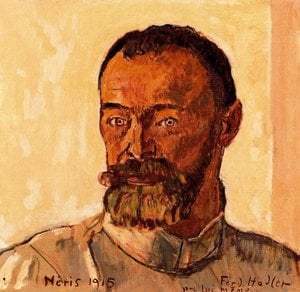
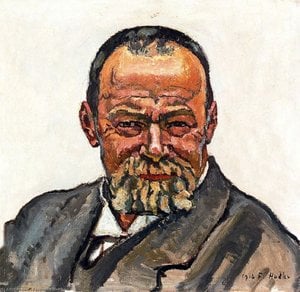
Study of a young man
複製画のサイズ
This exquisite drawing, measuring 30 x 20 cm and dating back to 1901, offers an intimate glimpse into the artistic world of Ferdinand Hodler, one of Switzerland's most significant figures in the Symbolist movement. Executed with remarkable precision and imbued with a profound sense of melancholy, “Study of a Young Man” transcends a simple portrait; it’s a meditation on mortality, vulnerability, and the elusive nature of beauty itself. The drawing captures a young man seated on the ground, his legs crossed in a pose that speaks of quiet contemplation. His gaze, directed downwards, adds to the sense of introspection, inviting the viewer into his private world.
Ferdinand Hodler's artistic journey was deeply influenced by the tenets of Symbolism, a movement that prioritized emotional expression and subjective experience over strict realism. Born in Bern in 1853, Hodler’s early life was marked by profound loss – the deaths of his father and two brothers – experiences which profoundly shaped his artistic sensibility. This sensitivity is powerfully evident in “Study of a Young Man,” where form and line are employed not to replicate physical reality but to convey an underlying emotional state. The muted tones, characteristic of Hodler’s style, contribute to this atmosphere of quiet sorrow and contemplation, echoing the artist's own preoccupation with themes of death and transience.
The seated pose of the young man, with his head bowed and gaze downward, immediately evokes a sense of introspection and perhaps even despair. This is not merely a depiction of a young man; it’s a potent symbol of human vulnerability in the face of mortality. Hodler frequently explored themes of death and loss in his work, reflecting a deep understanding of the transient nature of existence. The drawing's simplicity – a single figure against a neutral background – amplifies its emotional impact, forcing the viewer to confront fundamental questions about life, death, and the human condition. This piece resonates with a timeless quality, inviting contemplation long after initial viewing.


1853 - 1918 , スイス

Master the nuances of Giclée printing with our expert guide. Discover how pigment-based inks and museum-grade substrates create fade-resistant, high-fidelity art reproductions designed for discerning collectors seeking unparalleled quality and longevity.

Explore the profound artistry of black and white photography. From historical mastery to the interplay of light and shadow, discover how monochrome captures timeless emotion and form through a sophisticated lens of art history.


 プレビュー
プレビュー
 シェアする
シェアする シェアする
シェアする
 詳細を見る
詳細を見る

 ダウンロード
 似ている作品
 X線調査
X線調査 スライドショー
 統計情報
統計情報 詳細を見る
詳細を見る









 ガラスオプションは、110cm未満のサイズでのみご利用いただけます。


![Seated Nude With Raised Arms [desnudo Sentado Con Brazos Levantados (frida Kahlo)] — ディエゴ・リベラ, Social Realism](/media/artworks/images-thumb/64/7a/647aa47374e4603dc3a49d246d953b33.jpg)