Acrylic On CanvasWallArtSymbolism
 191019th Century
 43.0 x 44.0 cm
 ボスニア・ヘルツェゴビナ国立美術館
スピーディーな制作と多彩な仕上げオプションが魅力の、ミュージアムクオリティなジークレー・キャンバスプリント。 ( 手描きの複製画を注文する デジタル画像販売へ切り替え)





























作品のオリジナル比率に合わせた、当店の規定サイズからお選びください。

特定のフレームやスペースに合わせて、ご自身でサイズを指定することも可能です。選択されたサイズが元の画像の比率と一致しない場合、作品をトリミングするか、鏡面反射または単色での塗りつぶしによって画像を拡張いたします。制作を開始する前に、ご確認用のデジタルモックアップをお送りいたします。
画面上のプレビューには、実際のトリミングや拡張は反映されませんのでご注意ください。最終的な構図を正確に確認できるのは、モックアップのみとなります。
カスタムサイズも承っておりますが、元の比率を維持するためには、あらかじめ用意されたリストからサイズを選択することをお勧めいたします。
Lumberjack, study
複製画サイズ一覧
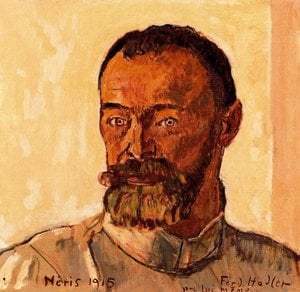
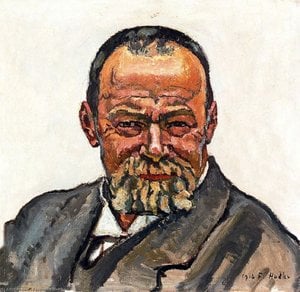
Ferdinand Hodler's "Lumberjack, Study," painted in 1910, isn’t merely a depiction of a man wielding an axe; it’s a profound meditation on the human condition, rendered with the characteristic Symbolist precision that defined the artist’s career. Born in Bern, Switzerland, Hodler’s life was deeply intertwined with themes of loss and mortality – experiences he channeled into his art through a lens of quiet observation and evocative symbolism. This particular work, executed during a period of intense artistic experimentation for Hodler, captures a moment of potent physicality alongside an underlying sense of melancholy, inviting the viewer to contemplate the dignity and inherent struggle within everyday labor.
Hodler was a key figure in the Swiss Symbolist movement, an artistic current that sought to express inner emotions and ideas rather than simply representing external reality. Symbolism rejected academic realism, favoring suggestive imagery and evocative color palettes. In “Lumberjack, Study,” this is evident in the muted tones of the landscape – a hazy sky and indistinct trees – which serve not as literal representations but as symbolic anchors for the figure’s emotional state. The darkness surrounding the lumberjack hints at the hardships and uncertainties of his life, while the upward swing of the axe can be interpreted as an aspiration towards something beyond the immediate toil.
The choice of a lumberjack as subject is itself significant. It represents a connection to the land, to physical labor, and to a fundamental human need for survival – themes that resonated deeply with Symbolist artists grappling with questions of identity and purpose in a rapidly changing world.Bern, Hodler’s birthplace, provided a constant source of inspiration. The rolling hills and forests surrounding the city were frequently depicted in his work, imbued with a sense of timelessness and spiritual resonance. “Lumberjack, Study” reflects this connection to the landscape, grounding the figure within a recognizable yet subtly idealized Bernese setting. The painting was created during a period of significant social change in Switzerland – the rise of industrialization and urbanization were challenging traditional ways of life. Hodler’s work can be seen as both a reflection of these changes and a nostalgic yearning for simpler times.
Despite its seemingly straightforward subject matter, “Lumberjack, Study” possesses a remarkable emotional depth. The lumberjack's face is largely obscured, inviting the viewer to project their own feelings and interpretations onto the figure. There’s a palpable sense of solitude and resilience in his posture – a quiet dignity born from hard work and perhaps, a touch of melancholy. Hodler masterfully captures this complex interplay of strength and vulnerability, creating an image that continues to resonate with viewers today. Reproductions of this powerful study offer a glimpse into the soul of a remarkable artist and a poignant reflection on the human experience.
「Lumberjack, study」はフェルディナン・ホドラーによるSymbolismの作品であり、その記録されたテーマにはsymbolic realism, hodler's swiss style", alpine influence, humanity & nature, melancholy mood, study of strength, early 20th art, exploration of formが含まれます。
「Lumberjack, study」にはlumberjack figure, axe and wood theme, symbolic drawing”,, swiss artist style”,, vintage illustration”, “black & white art”, “hodler’s study”が描かれており、その情緒はDramaticと表現されています。
「Lumberjack, study」の色調は、Neutralsなパレットを構成しています。この分類は、主要な色相のグループを表しています。
フェルディナン・ホドラー作「Lumberjack, study」のSquare形式は、Living Roomに飾る際におすすめです。作品の形式と空間の調和が、複製画を配置する際の指針となります。
フェルディナン・ホドラー作「Lumberjack, study」のプリントは、このページから直接ご注文いただけます:コットンキャンバスまたはアーカイブ品質のキャンバスペーパーに施されたファインアートプリント。
フェルディナン・ホドラー作「Lumberjack, study」は1910年に制作されたもので、Symbolismに属します。
フェルディナン・ホドラー作「Lumberjack, study」のNeutralsな色彩は、おすすめの空間であるLiving Roomに調和します。
全体として、「Lumberjack, study」の明るさはbrilliantと記録されています。知覚的な明るさとは、作品がどの程度明るく、あるいは暗く感じられるかを表すものです。


1853 - 1918 , スイス

Explore the profound artistry of black and white photography. From historical mastery to the interplay of light and shadow, discover how monochrome captures timeless emotion and form through a sophisticated lens of art history.

Elevate your artistic practice with this expert guide to mastering the line. Discover advanced techniques in graphite, charcoal, and contour drawing designed for art students seeking technical precision and expressive depth in their fine art studies.

Explore the profound artistry of graphite drawing. Discover professional techniques for mastering depth, texture, and detail through a lens of art history, from classical sketches to modern masterpieces. Elevate your understanding of the pencil medium with our expert guide.

Elevate your most cherished memories with WahooArt’s bespoke service. We transform your personal photos into breathtaking, hand-painted black & white oil masterpieces. Experience museum-quality craftsmanship and timeless elegance for your private collection. Discover the art of legacy.

 設置イメージを確認
 送る
送る シェア
シェア
 詳細情報
詳細情報 ガイドを表示

 画像をダウンロード
 似ている作品
 X線調査
X線調査 スライドショー
 統計情報
統計情報 続きを読む
続きを読む









 ガラスオプションは、110cm未満のサイズでのみご利用いただけます。