Acrylic On CanvasWallArtSwiss Symbolism
 1908
1908 44.0 x 29.0 cm
 ボスニア・ヘルツェゴビナ国立美術館
当社のアーティストが、お客様のご希望のサイズと額縁に合わせて、キャンバスに手描きで制作する油彩画です。 ( プリント版に切り替え デジタル画像販売へ切り替え)





























作品のオリジナル比率に合わせた、当店の規定サイズからお選びください。

フレームや壁のスペースに合わせて、ご希望の幅と高さを入力してください。本作品は手描きのため、異なる比率のサイズをご希望の場合、絵画の周囲を少し広げて描くか、あるいは端を少しカットして調整することが可能です。お客様のご要望に合わせます。制作を開始する前に、仕上がりを確認するためのデジタルモックアップをお送りいたします。このページに表示されている画像は完成品の実物ではなく、あくまでモックアップによるイメージです。
Infantry marcher
複製画サイズ一覧
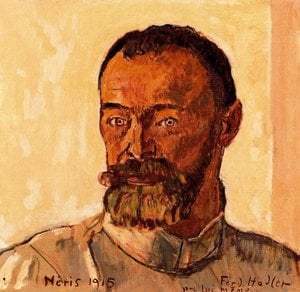
Ferdinand Hodler’s “Infantry Marcher,” completed in 1908, stands as a cornerstone of Swiss Symbolism and exemplifies Hodler's distinctive approach to capturing the human condition. More than just a depiction of a soldier on duty—though meticulously rendered with anatomical precision—the painting delves into profound themes of mortality, solitude, and the inescapable march toward oblivion, presented with an unsettling beauty that continues to resonate with viewers today.
Hodler’s stylistic hallmark was “parallelism,” a technique he pioneered whereby he juxtaposed two distinct planes of color – one luminous and vibrant, representing life's energy, and the other muted and shadowed, symbolizing death. In "Infantry Marcher," this duality is powerfully realized. The soldier’s torso glows with an ethereal luminescence, contrasting sharply with the dark, textured background that evokes a sense of oppressive stillness. This deliberate contrast isn’t merely aesthetic; it speaks to Hodler's preoccupation with confronting existential anxieties.
The painting’s composition contributes significantly to its emotional impact. The soldier is positioned in profile, facing away from the viewer, creating an immediate feeling of detachment and introspection. His gaze is averted, suggesting a preoccupation with internal thoughts rather than external surroundings. This posture reinforces the overarching theme of isolation—the individual confronting the vastness of existence alone.
Hodler’s masterful use of watercolor and ink lends itself to the painting's haunting atmosphere. The delicate washes of color capture the subtle nuances of light and shadow, while the precise linework defines the soldier’s form with remarkable accuracy. This combination of techniques allows Hodler to convey both visual beauty and psychological depth simultaneously.
Historically situated within the burgeoning Symbolist movement—which sought to express inner emotions and spiritual truths beyond rational representation—"Infantry Marcher" reflects a broader artistic preoccupation with confronting death and decay. Hodler’s exploration of these themes aligns with the philosophical currents of his time, mirroring anxieties about societal change and the fragility of human life. The painting serves as a poignant reminder that even amidst duty and responsibility, there exists an inescapable awareness of mortality.
“Infantry Marcher” transcends its subject matter to become a meditation on the human experience itself. Hodler’s ability to distill complex emotions into a single image—a quiet march toward an unknown horizon—solidifies his legacy as one of Switzerland's most influential artists and ensures that “Infantry Marcher” continues to captivate audiences with its timeless beauty and unsettling profundity.
「Infantry marcher」はmortality, isolation, symbolism, landscape, soldier, uniform, darknessを描いていますが、フェルディナン・ホドラーのこれまでのテーマとして記録されているのはsymbolist tradition, existential angst, death imagery, landscape reflection, artistic visionです。この二つを比較することで、本作が作家のいつもの主題とどのように関連しているかが明らかになります。
「Infantry marcher」は、Swiss Symbolismのムーブメントにおいて、Reflectiveな情緒を湛えています。
「Infantry marcher」は、Swiss Symbolismの作品です。この様式は、その作品が属する芸術的伝統を示しています。


1853 - 1918 , スイス

Elevate your space with bespoke Gothic masterpieces. Using advanced AI and master oil painters, WahooArt transforms your photos into dark, Renaissance-style fine art. Experience museum-quality craftsmanship, personalized commissions, and a timeless legacy for your home.

Embark on a sophisticated exploration of art history, from the profound depths of the Dark Ages to the bold innovations of contemporary masterpieces. Discover the evolution of human creativity through an expert curator's lens, designed for discerning collectors and art enthusiasts.

Explore the profound impact of Tenebrism in Baroque art. Discover how masters like Caravaggio used dramatic shadows to evoke emotion, and learn the technical secrets behind this captivating style of light and darkness.

 設置イメージを確認
 送る
送る シェア
シェア
 詳細情報
詳細情報 ガイドを表示

 画像をダウンロード
 似ている作品
 X線調査
X線調査 スライドショー
 Q&A
Q&A 統計情報
統計情報 続きを読む
続きを読む









 ガラスオプションは、110cm未満のサイズでのみご利用いただけます。