Acrylic On CanvasWallArt
 1913
1913 182.0 x 223.0 cm
 Kunsthaus Zürich
当社のアーティストが、お客様のご希望のサイズと額縁に合わせて、キャンバスに手描きで制作する油彩画です。 ( プリント版に切り替え デジタル画像販売へ切り替え)





























作品のオリジナル比率に合わせた、当店の規定サイズからお選びください。

特定のフレームやスペースに合わせて、ご希望のサイズをご入力いただけます。選択されたサイズが元の画像の比率と異なる場合、アートワークをトリミングするか、手描きで要素を追加して絵画を拡張いたします。デジタルモックアップ を制作し、制作開始前にご確認(承認)をいただきます。
画面上のプレビューは、実際のトリミングや拡張を正確に反映しているものではありません。最終的な構図は、モックアップによってのみ正確にご確認いただけます。
カスタムサイズもご利用いただけますが、元の比率を維持するためには、あらかじめ用意されたリストからサイズを選択することをお勧めいたします。

Holy Hour
複製画のサイズ
Ferdinand Hodler's "Holy Hour," painted in 1913, isn’t merely a portrait; it’s a carefully constructed tableau of serenity and shared contemplation. The canvas unfolds with an almost dreamlike quality, capturing three women seated on the verdant grass of a garden – a scene radiating quiet intimacy and a profound sense of connection. The photograph preserved from 1911 reveals Hodler's deliberate retouching of the figures on either side, particularly the woman on the right, who was modeled by his wife, Bertha Stucki, imbuing the work with a deeply personal narrative. This subtle intervention speaks volumes about the artist’s process and his desire to imbue the scene with a tangible emotional resonance.
Hodler's artistic journey, shaped profoundly by early loss – the untimely deaths of his father and brothers – instilled within him a sensitivity to mortality and the ephemeral nature of existence. This experience isn’t overtly displayed in “Holy Hour,” but it subtly informs the painting’s atmosphere; there’s an awareness of time passing, of moments held dear, and perhaps even a gentle melancholy that underlies the scene's peacefulness. The composition itself—the figures arranged with a deliberate symmetry reminiscent of religious iconography—suggests a ritualistic quality, elevating this simple garden gathering to something akin to a sacred space.
Hodler’s artistic style is often categorized as Symbolist, yet he developed his own distinctive approach known as “parallelism.” This technique involved arranging figures in parallel lines, creating a sense of rhythm and harmony that mirrored the underlying order of the universe. In "Holy Hour," this principle manifests subtly through the arrangement of the women – their postures mirroring one another, their gazes directed towards an unseen point beyond the frame. The use of muted colors—primarily blues, whites, and greens—further contributes to the painting’s tranquil mood, creating a visual space that feels both grounded and ethereal.
Beyond the formal elements, the scene is rich in symbolic potential. The garden itself represents paradise, a place of respite and communion with nature. The flowers scattered throughout the composition add to this sense of abundance and beauty, while the women’s relaxed postures suggest a shared joy and contentment. It's important to note that Hodler was deeply interested in exploring themes of spirituality and human connection, often drawing inspiration from religious iconography—a clear influence evident in the painting’s overall structure and mood.
Hodler’s technique is characterized by a delicate balance between realism and abstraction. He employed loose brushstrokes and a muted color palette, creating an impressionistic effect that softens the forms of the figures and imbues the scene with a sense of atmosphere. The lighting is particularly noteworthy—a diffused light washes over the garden, casting long shadows and lending the painting a dreamlike quality. Hodler’s masterful use of color and light contributes significantly to the work's emotional impact, evoking feelings of peace, serenity, and quiet contemplation.
The reproduction offered by WahooArt.com captures these nuances with exceptional fidelity, allowing viewers to appreciate the subtle details and atmospheric effects that define Hodler’s masterpiece. The hand-painted process ensures a level of texture and depth that is impossible to replicate digitally, bringing this evocative scene to life in a truly immersive way.
"Holy Hour" transcends its simple subject matter to offer a profound meditation on human connection, faith, and the beauty of shared moments. It’s a painting that invites viewers to pause, reflect, and consider the importance of finding solace and companionship in the everyday rituals of life. Whether displayed as a centerpiece in a living room or a contemplative addition to a gallery wall, this reproduction serves as a constant reminder of the power of simple beauty and the enduring appeal of shared moments of peace.


1853 - 1918 , スイス
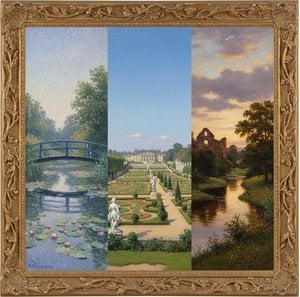
Embark on a visual journey through the serene beauty of gardens and parks in fine art. Discover how master artists capture nature's tranquility through impressionistic blooms and classical landscapes to bring timeless elegance into your home collection.

Embark on a visual journey through the golden hour. Discover how master painters capture the ethereal glow of sunsets, from Monet's Impressionism to the Hudson River School. Explore timeless techniques and bring the magic of twilight into your home with exquisite fine art reproductions.
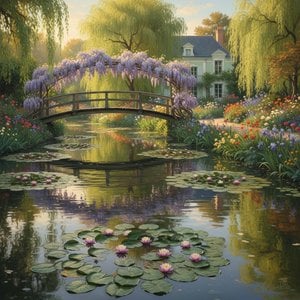
Embark on a visual journey through Claude Monet's Giverny. Discover the enchanting light, vibrant colors, and breathtaking landscapes of his legendary gardens through an expert exploration of Impressionist mastery and timeless beauty.


 プレビュー
プレビュー
 シェアする
シェアする シェアする
シェアする
 詳細を見る
詳細を見る ガイド
ガイド

 ダウンロード
 似ている作品
 X線調査
X線調査 スライドショー
 統計情報
統計情報 詳細を見る
詳細を見る









 ガラスオプションは、110cm未満のサイズでのみご利用いただけます。