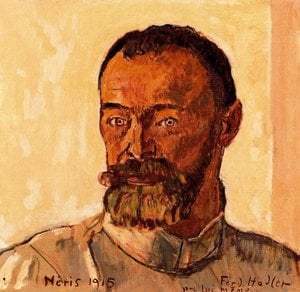
Acrylic On CanvasWallArtSymbolism
 1901
1901 48.0 x 25.0 cm
 ボスニア・ヘルツェゴビナ国立美術館
スピーディーな制作と多彩な仕上げオプションが魅力の、ミュージアムクオリティなジークレー・キャンバスプリント。 ( 手描きの複製画を注文する デジタル画像販売へ切り替え)





























作品のオリジナル比率に合わせた、当店の規定サイズからお選びください。

額縁や壁のスペースに合わせて、ご希望の幅と高さを入力してください。プリントはカットすることは可能ですが、元の画像より大きくすることはできないため、異なる比率のサイズを選択された場合は、画像の一部が欠けることになります。印刷を開始する前に、内容を確認していただくためのデジタルモックアップをお送りいたします。このページに表示されている画像は、実際のカット後の状態を示すものではありません。実際の仕上がりはモックアップにてご確認ください。
Figure study
複製画サイズ一覧
Ferdinand Hodler's “Figure Study,” painted in 1901, isn’t merely a sketch; it’s a distilled essence of late 19th-century Swiss Symbolism. Born amidst profound personal loss – the untimely deaths of his father and brothers casting a long shadow over his early life – Hodler channeled these experiences into an artistic language deeply rooted in introspection and the ephemeral nature of existence. This particular work, created during a period of intense creative exploration, exemplifies his signature style: a delicate balance between realism and abstraction, capturing not just the outward appearance but also the underlying emotional state of the subject.
The painting’s genesis lies within Hodler's evolving approach to portraiture. Initially focused on conventional depictions, he began to experiment with a more expressive and symbolic style, moving away from strict realism towards an exploration of inner landscapes. “Figure Study” represents this pivotal shift, demonstrating his growing interest in conveying mood and psychological depth through simplified forms and subtle tonal variations. It’s a preparatory drawing for "The Emotion," suggesting that the final composition was intended to be part of a larger series exploring human feeling.
Hodler's technique in “Figure Study” is characterized by its remarkable fluidity and gestural quality. The pencil lines, rendered with varying pressure and direction, create a sense of movement and immediacy—as if the figure were caught in a fleeting moment of grace. Notice how the loose, almost hesitant strokes define the contours of the body, avoiding overly precise detail. This deliberate lack of finish contributes to the painting’s intimate and personal feel, inviting the viewer into the artist's creative process.
Beyond its technical merits, “Figure Study” is rich in symbolic meaning. The woman’s flowing dress and graceful posture evoke a sense of serenity and timelessness, while her slightly averted gaze suggests introspection and perhaps even melancholy. The painting's connection to "The Emotion" hints at an exploration of the human condition—the interplay between joy and sorrow, life and death. Hodler frequently used themes of loss and mortality in his work, reflecting his own personal experiences and a broader awareness of the fragility of existence.
Consider the figure’s position: poised on the cusp of movement, as if caught mid-stride. This captures a fleeting moment, an instant of being—a reminder that life is constantly in flux. The painting isn't about depicting a specific event but rather conveying a universal feeling, a sense of longing or contemplation.
A hand-painted reproduction of “Figure Study” offers a stunning way to bring the evocative power of this masterpiece into your home. The delicate pencil strokes and subtle tonal variations translate beautifully onto canvas, capturing the essence of Hodler's unique artistic vision. Whether adorning a living room wall or gracing a study, this artwork will serve as a constant source of inspiration—a reminder of the beauty, complexity, and profound emotional depth that lie within the human experience.
「Figure study」の形式はTallです。これは、複製画を飾る場所を検討する際に役立ちます。
全体として、「Figure study」の明るさはbrilliantと記録されています。知覚的な明るさとは、作品がどの程度明るく、あるいは暗く感じられるかを表すものです。
「Figure study」はSymbolismの様式に属しており、その作者は19世紀の時代に活動していました。


1853 - 1918 , スイス

Elevate your artistic practice with this expert guide to mastering the line. Discover advanced techniques in graphite, charcoal, and contour drawing designed for art students seeking technical precision and expressive depth in their fine art studies.

Discover the sophisticated mastery of graphite drawing. Explore expert techniques for achieving profound depth, intricate texture, and hyper-realistic detail through the alchemy of carbon, curated for the discerning art enthusiast and professional collector.

Explore the profound beauty of the sketch. Discover how masters use charcoal and graphite to capture raw emotion, anatomical precision, and fluid movement, bridging the gap between ephemeral marks and eternal oil masterpieces.

Explore the profound artistry of graphite drawing. Discover professional techniques for mastering depth, texture, and detail through a lens of art history, from classical sketches to modern masterpieces. Elevate your understanding of the pencil medium with our expert guide.
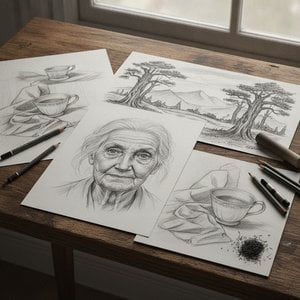
Explore the profound elegance of pencil and charcoal sketching. Discover how masters use line, shadow, and chiaroscuro to capture light and texture, bridging the gap between preparatory studies and timeless fine art masterpieces.

 設置イメージを確認
 送る
送る シェア
シェア
 詳細情報
詳細情報 ガイドを表示

 画像をダウンロード
 似ている作品
 X線調査
X線調査 スライドショー
 統計情報
統計情報 続きを読む
続きを読む









 ガラスオプションは、110cm未満のサイズでのみご利用いただけます。