

当社のアーティストが、お客様のご希望のサイズと額縁に合わせて、キャンバスに手描きで制作する油彩画です。 ( Switch to Print Switch to Digital Image)





























作品のオリジナル比率に合わせた、当店の規定サイズからお選びください。

特定のフレームやスペースに合わせて、ご希望のサイズをご入力いただけます。選択されたサイズが元の画像の比率と異なる場合、アートワークをトリミングするか、手描きで要素を追加して絵画を拡張いたします。デジタルモックアップ を制作し、制作開始前にご確認(承認)をいただきます。
画面上のプレビューは、実際のトリミングや拡張を正確に反映しているものではありません。最終的な構図は、モックアップによってのみ正確にご確認いただけます。
カスタムサイズもご利用いただけますが、元の比率を維持するためには、あらかじめ用意されたリストからサイズを選択することをお勧めいたします。

Willows
複製画のサイズ
Paul Gauguin’s “Willows,” painted in 1889 during his time at the asylum in Saint-Rémy-de-Provence, is more than just a depiction of a pastoral scene; it’s a profound meditation on humanity's connection to nature and the quiet rhythms of rural existence. The painting immediately draws the viewer into a world of tranquil beauty, dominated by the warm hues of earth and sky, punctuated by the vibrant colors of the animals and figures within. Gauguin masterfully employs his signature style – bold brushstrokes and a deliberate flattening of perspective – to create an almost tactile quality, inviting us to step directly into this intimate moment.
The composition is remarkably balanced, centered around a woman seated on the ground, tenderly feeding her infant. This maternal scene, rendered with remarkable sensitivity, speaks to themes of nurturing, life, and continuity. The presence of the two cows and three sheep further reinforces this connection to the land, symbolizing fertility and abundance. Notably, one cow is positioned closer to the viewer, creating a sense of immediacy and inviting us into the narrative. Gauguin’s deliberate use of color – rich ochres, deep blues, and vibrant greens – isn't merely decorative; it carries symbolic weight, reflecting the earth’s bounty and the spiritual resonance he sought in his art. The trees forming the backdrop aren't just a setting; they represent stability, wisdom, and the enduring power of nature.
"Willows" firmly establishes Gauguin within the burgeoning movement of Post-Impressionism. Influenced by artists like Vincent van Gogh and shaped by the theories of Émile Bernard’s exploration of Synthetism, Gauguin sought to move beyond the fleeting impressions of Impressionism towards a more subjective and emotionally charged representation of reality. His friendship with Van Gogh, though tragically short, undoubtedly impacted his artistic trajectory, as evidenced by shared thematic concerns regarding capturing natural beauty and human experience. The painting's creation during his time at Saint-Rémy reflects Gauguin’s ongoing struggle with mental illness, yet paradoxically, it reveals a profound yearning for peace and harmony – a desire that permeates much of his work.
“Willows” stands as a testament to Gauguin's revolutionary approach to art. It’s a painting that invites contemplation, prompting us to consider our own relationship with the natural world and the enduring human need for connection and solace. Reproductions of this iconic work capture not only its visual beauty but also the emotional depth and artistic innovation that defined Gauguin’s legacy. A hand-painted reproduction offers an unparalleled opportunity to bring this masterpiece into your home, allowing you to experience firsthand the power and serenity of Gauguin's vision.

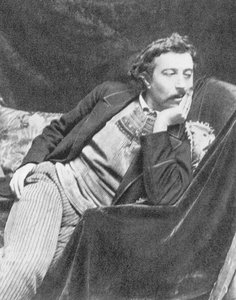
1848 - 1903 , フランス
葛飾北斎の25選:『神奈川沖浪裏』や『富嶽三十六景』など、浮世絵の世界を深く探求。木版画の技法と日本美術の美をWahooArtで。高品質なアートプリントで空間に感動を。コレクションはこちら。

ロマン派絵画の時代を彩る10選。巨匠たちの風景が織りなす感動の世界へ。ターナー、ルーベンスなど、名作の裏話と高精細複製でアートをお部屋に。WahooArt.comで至福のアート体験を。

WahooArtで、生命空間に息吹を吹き込む芸術作品を見つけませんか?高品質な油絵複製、カスタム制作、無料アートコンサルテーション。美術史に基づいた確かな品質と、お客様だけの特別な空間演出をお手伝いします。
ポール・セザンヌの至高の25選。ポスト印象派を代表する画家、セザンヌの傑作と革新的な技法を紐解きます。WahooArtで高品質な複製画やインテリアアートを見つけ、芸術の世界をご自宅に。今すぐコレクションをご覧ください。

パウル・クレーの傑作25選🎨 色彩と象徴に満ちた抽象絵画の世界を旅。ドイツ表現主義からバウハウスまで、クレーの革新的な技法と感動的な作品群をWahooArtで。高品質な美術品複製やインテリアアートも豊富です。オンラインストアで全コレクションをご覧ください。

 プレビュー
プレビュー
 シェアする
シェアする シェアする
シェアする
 詳細を見る
詳細を見る

 ダウンロード
 似ている作品
 X線調査
X線調査 スライドショー
 Stats
Stats

 詳細を見る
詳細を見る









 ガラスオプションは、110cm未満のサイズでのみご利用いただけます。


