
 Acrylic On CanvasWallArtPost-Impressionism
 1889
1889 5.0 x 73.0 cm
 Kunsthaus Zürich
オンラインプレビューをはるかに凌ぐ、高解像度で鮮明なデジタル画像をご購入いただけます。
各ファイルは、社内の専門家が高度なツールと熟練した手作業によるレタッチを用いて、細心の注意を払って準備されています。すべての画像において、卓越した鮮明度、正確な色彩再現性、そして繊細なディテールを保証いたします。
最終ファイルは、プロフェッショナルな編集・印刷環境ですぐにご利用いただけるよう最適化された状態で、72時間以内にメールにてお届けいたします。これは、一流のデザインスタジオ、出版社、ギャラリーから信頼されているものと同等の品質です。
個人での鑑賞、印刷、クリエイティブなプロジェクト用に、高解像度ファイルをダウンロードできます。 ( プリント版に切り替え 手描きの絵画を購入)
WahooArt.com を選ぶことは、単に画像を手に入れることではありません。それは、プロの手によって精密に仕上げられ、満足保証が付いた高品質なデジタルアートワークを受け取ることを意味します。ご注文いただいた際に自動的に付随する内容は、以下の通りです:

ご注文から72時間以内に、高解像度のデジタル画像ファイルがメールでお手元に届きます。すぐにそのままご利用いただけます。

お客様の作品は、高度なAIツールと専門家による手作業の編集を組み合わせてプロフェッショナルに最適化されており、細部のディテール、鮮明さ、そして正確な色再現性を最大限に引き出しています。

ファイルを誤って削除したり、紛失してしまったりしましたか?ご安心ください。いつでも無料で再送いたします。

関税や手数料、配送料を気にすることなく、お気に入りのアートワークをすぐにお楽しみいただけます。デジタルダウンロードは常に免税です。

プロ仕様のツールとカラーマネジメント技術を用いることで、デジタル画像が元の色を最大限に忠実に再現することを保証いたします。

ご購入いただいたデジタル画像にご満足いただけない場合は、100日以内であれば、理由を問わず修正または100%の返金対応をさせていただきます。

ご満足いただけない場合は、デジタルファイルを受け取ってから100日以内であれば、理由を問わず全額返金いたします。

3枚購入で10%OFF - 5枚購入で15%OFF - 10枚以上購入で20%OFF。クリエイティブなプロジェクト、ギャラリー、エージェンシーに最適です。
Paul Gauguin’s “The Gate,” painted in 1889, isn't merely a depiction of a rustic scene; it’s a portal into the heart of Breton identity and a profound exploration of connection – to land, to community, and perhaps, to something beyond. Captured in the quiet village of Le Pouldu, not far from Pont-Aven in Brittany, France, this painting offers a glimpse into a world steeped in tradition and imbued with a subtle yet powerful spirituality. Gauguin’s choice of subject matter—a humble lattice gate—is deceptively simple, yet it becomes a focal point for a complex narrative woven through light, color, and the very essence of Breton life.
The painting immediately draws the eye to the central figure: a woman seated on a weathered bench beneath the shade of an ancient tree. Her posture is relaxed, almost contemplative, suggesting a moment of quiet reflection. She’s not actively engaged in any particular task, but rather seems to be absorbing the atmosphere around her – a silent observer of the rural landscape. Two other individuals are present: a man standing near the left side and another further back on the right, adding layers of social interaction to the scene without disrupting its serene mood. The gate itself, constructed from rough-hewn wood, dominates the foreground, acting as both a physical barrier and a symbolic threshold.
Gauguin’s masterful use of color is central to the painting's impact. He employs a vibrant palette—deep greens, earthy browns, and touches of ochre and crimson—to capture the rich hues of the Breton countryside. The brushstrokes are loose and expressive, characteristic of Gauguin’s Impressionistic style, yet imbued with a deliberate solidity that grounds the scene in reality. Notice how he uses broken color to create depth and luminosity, particularly in the dappled sunlight filtering through the leaves. This technique isn't simply about replicating what the eye sees; it’s about conveying the *feeling* of being immersed in this particular place and time.
The painting is executed with a thick impasto—meaning that the paint is applied thickly to the canvas, creating a tactile surface that invites close examination. This technique adds to the sense of immediacy and physicality, as if you could reach out and touch the rough bark of the tree or feel the warmth of the sun on your skin. Gauguin’s deliberate layering of color and texture creates a dynamic visual experience, constantly shifting and evolving with the viewer's perspective.
“The Gate” is deeply rooted in Breton culture, a region of France known for its strong traditions, distinctive language, and fiercely independent spirit. Gauguin’s depiction of rural life—the simple dwelling, the weathered gate, the quiet figures—reflects this cultural identity. The gate itself holds significant symbolic weight. In Breton folklore, gates often represent transitions – passages between worlds, or thresholds to sacred spaces. It could be interpreted as a gateway to community, to heritage, or even to the spiritual realm.
The woman seated beneath the tree is particularly intriguing. Her presence suggests a connection to the land and its traditions. She embodies a sense of timelessness and resilience—a quiet strength rooted in the rhythms of rural life. The painting’s overall mood evokes a feeling of nostalgia, a longing for simpler times, and a deep appreciation for the beauty of the natural world.
Painted just a few years before Gauguin's departure for Tahiti, “The Gate” represents a pivotal moment in his artistic development. It foreshadows the bold experimentation with color and symbolism that would characterize his later work. This painting is not simply a picturesque landscape; it’s a profound meditation on identity, community, and the enduring power of tradition. Reproductions of "The Gate" capture this essence beautifully, offering a window into Gauguin's unique vision and inviting viewers to contemplate the timeless beauty of Breton life.

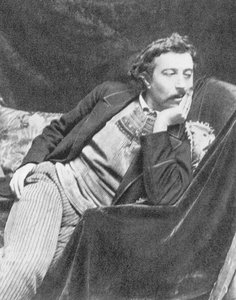
1848 - 1903 , フランス


 プレビュー
プレビュー
 シェアする
シェアする シェアする
シェアする
 詳細を見る
詳細を見る

 ダウンロード
 似ている作品
 X線調査
X線調査 スライドショー
 統計情報
統計情報 詳細を見る
詳細を見る


