
迅速な制作と多彩な仕上げオプションを備えた、ミュージアムクオリティのジークレーまたはキャンバスプリント。 ( 手描きの絵画を購入 デジタル画像販売へ切り替え)





























作品のオリジナル比率に合わせた、当店の規定サイズからお選びください。

特定のフレームやスペースに合わせて、ご自身でサイズを指定することも可能です。選択されたサイズが元の画像の比率と一致しない場合、作品をトリミングするか、鏡面反射または単色での塗りつぶしによって画像を拡張いたします。制作を開始する前に、ご確認用のデジタルモックアップをお送りいたします。
画面上のプレビューには、実際のトリミングや拡張は反映されませんのでご注意ください。最終的な構図を正確に確認できるのは、モックアップのみとなります。
カスタムサイズも承っておりますが、元の比率を維持するためには、あらかじめ用意されたリストからサイズを選択することをお勧めいたします。

Schooner and Three-Master
複製画のサイズ
Paul Gauguin’s Schooner and Three-Master, painted in 1886, offers a captivating snapshot of harbor life, showcasing the artist’s distinctive Post-Impressionist style. This oil on canvas piece transcends a simple depiction of sailing ships; it embodies Gauguin's evolving artistic vision, moving away from traditional Impressionism to explore bolder colors and more expressive forms.
The painting portrays three vessels—a schooner and two larger three-masters—moored in a bustling harbor. Gauguin masterfully captures the atmosphere of activity with scattered figures engaged in various tasks, lending a sense of realism to the scene. A solitary figure seated on a bench introduces an element of tranquility amidst the lively port. The vibrant blues and greens dominating the backdrop create a dynamic contrast with the ships' forms. Gauguin’s signature bold brushstrokes and vivid colors are immediately apparent, contributing to the painting’s energetic feel and drawing the viewer into the heart of the harbor.
As a key figure in the Post-Impressionism Art Movement, Gauguin sought to move beyond mere representation, aiming instead to convey emotions and symbolic meaning through his art. Schooner and Three-Master exemplifies this approach. The flattened perspective and simplified forms are characteristic of Post-Impressionist techniques, prioritizing the overall visual impact over strict realism. The visible impasto technique—the thick application of paint—adds a tactile quality to the canvas, further enhancing its expressive power.
Schooner and Three-Master is not an isolated exploration of maritime themes for Gauguin. His fascination with harbors and sailing vessels is evident in other works such as Bordeaux Harbour and Harbour Scene, Dieppe. These paintings demonstrate his ability to capture the essence of a bustling port while maintaining his unique artistic style. The depiction of ships often served as more than just subject matter; they represented trade, exploration, and humanity's connection to the sea—recurring motifs in Gauguin’s broader body of work.
Beyond its visual appeal, Schooner and Three-Master evokes a sense of nostalgia and tranquility. The painting captures a fleeting moment in time, inviting viewers to contemplate the rhythms of maritime life. Symbolically, the ships represent not only commerce but also journeys—both literal voyages across the sea and metaphorical explorations of human experience. The artwork’s enduring appeal lies in its ability to transport us to another era, offering a glimpse into Gauguin's artistic vision and his profound connection to the natural world.
For those interested in exploring further into Gauguin's artistic style, consider these related works:
As a handmade oil painting reproduction, Schooner and Three-Master offers an opportunity to experience Gauguin’s artistry firsthand, bringing a touch of maritime charm and Post-Impressionist brilliance to any space.

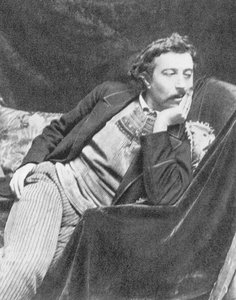
1848 - 1903 , フランス

Explore the vibrant evolution of Post-Impressionism. From Seurat's revolutionary Pointillism to the emotional depth of masters, discover how this movement redefined modern art history through color, structure, and unparalleled creative expression.

Explore the transformative era of Post-Impressionism. Discover how masters like Cézanne and Matisse revolutionized color and form, moving beyond Impressionism to shape modern art history through structural innovation and expressive emotion.

Unveil the profound revolution of Post-Impressionism. Explore how masters like Van Gogh and Cézanne utilized bold colors and emotional depth to transcend mere representation, laying the foundation for modern art. A sophisticated journey through history's most emotive brushstrokes.

Delve into the vibrant world of Paul Gauguin. Explore his revolutionary use of color, Tahitian symbolism, and the profound impact of tropical primitivism on Post-Impressionism through an expert art-historical lens.

Master the nuances of Impressionism vs. Post-Impressionism with our expert guide. Explore the revolutionary shift from Monet’s fleeting light to Van Gogh’s emotional depth. Discover how these iconic movements continue to inspire fine art collectors and modern interiors today.


 プレビュー
プレビュー
 シェアする
シェアする シェアする
シェアする
 詳細を見る
詳細を見る ガイド
ガイド

 ダウンロード
 似ている作品
 X線調査
X線調査 スライドショー
 統計情報
統計情報

 詳細を見る
詳細を見る









 ガラスオプションは、110cm未満のサイズでのみご利用いただけます。


