
迅速な制作と多彩な仕上げオプションを備えた、ミュージアムクオリティのジークレーまたはキャンバスプリント。 ( 手描きの絵画を購入 デジタル画像販売へ切り替え)





























作品のオリジナル比率に合わせた、当店の規定サイズからお選びください。

特定のフレームやスペースに合わせて、ご自身でサイズを指定することも可能です。選択されたサイズが元の画像の比率と一致しない場合、作品をトリミングするか、鏡面反射または単色での塗りつぶしによって画像を拡張いたします。制作を開始する前に、ご確認用のデジタルモックアップをお送りいたします。
画面上のプレビューには、実際のトリミングや拡張は反映されませんのでご注意ください。最終的な構図を正確に確認できるのは、モックアップのみとなります。
カスタムサイズも承っておりますが、元の比率を維持するためには、あらかじめ用意されたリストからサイズを選択することをお勧めいたします。

Pears and grapes
複製画のサイズ
Paul Gauguin’s "Pears and Grapes," painted in 1875, is more than just a depiction of fruit; it's an early exploration of the artistic principles that would later define his signature style. This still life, executed on panel with oil paints, offers a glimpse into Gauguin’s developing aesthetic sensibilities before his renowned Tahitian period. The painting presents a thoughtful arrangement of pears and grapes nestled within bowls, set against a subtly textured backdrop. It's a testament to Gauguin's burgeoning talent and foreshadows the innovative techniques he would later employ.
While "Pears and Grapes" is categorized as Post-Impressionism, it reveals influences from earlier movements like Impressionism while simultaneously hinting at Gauguin’s future stylistic departures. The brushwork isn't the loose, fleeting quality of pure Impressionism; instead, there's a deliberate application of paint, creating texture and form with visible strokes. This foreshadows his later Synthetist approach where he sought to simplify forms and emphasize symbolic meaning over strict realism. Gauguin uses a palette dominated by warm earth tones – browns, ochres, and yellows – which create a sense of warmth and intimacy. The contrast between the darker background and the lighter fruit draws the viewer's eye directly to the subject matter. The composition is relatively simple, focusing on the arrangement of the fruit and bowls, demonstrating Gauguin’s early mastery of balance and visual harmony.
Painted in 1875, "Pears and Grapes" emerged during a period of significant artistic transition. Impressionism was gaining traction, but artists were beginning to question its limitations. Gauguin, like Cézanne and Van Gogh, sought to move beyond the mere depiction of visual impressions towards a more subjective and expressive form of art. This painting reflects that shift; it’s not simply about capturing what he saw, but also conveying a feeling or mood through color and composition. Gauguin's early exposure to artists like Camille Pissarro undoubtedly influenced his initial artistic development, but "Pears and Grapes" demonstrates his unique trajectory away from the purely optical concerns of Impressionism.
While seemingly straightforward, still life paintings often carry symbolic weight. In “Pears and Grapes,” the fruit itself can be interpreted as symbols of abundance, ripeness, and even mortality – a common theme in art history. The careful arrangement suggests a sense of order and control, while the slightly muted color palette evokes a feeling of quiet contemplation. The painting’s emotional impact lies in its understated beauty and the subtle interplay of light and shadow. It's an invitation to pause and appreciate the simple pleasures of life, rendered with a growing artistic maturity that would soon blossom into Gauguin’s iconic style.

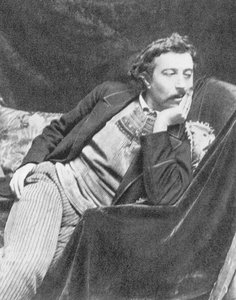
1848 - 1903 , フランス

Master the nuances of Impressionism vs. Post-Impressionism with our expert guide. Explore the revolutionary shift from Monet’s fleeting light to Van Gogh’s emotional depth. Discover how these iconic movements continue to inspire fine art collectors and modern interiors today.

Explore the transformative era of Post-Impressionism. Discover how masters like Cézanne and Matisse revolutionized color and form, moving beyond Impressionism to shape modern art history through structural innovation and expressive emotion.

Unveil the profound revolution of Post-Impressionism. Explore how masters like Van Gogh and Cézanne utilized bold colors and emotional depth to transcend mere representation, laying the foundation for modern art. A sophisticated journey through history's most emotive brushstrokes.

Explore the vibrant evolution of Post-Impressionism. From Seurat's revolutionary Pointillism to the emotional depth of masters, discover how this movement redefined modern art history through color, structure, and unparalleled creative expression.


 プレビュー
プレビュー
 シェアする
シェアする シェアする
シェアする
 詳細を見る
詳細を見る ガイド
ガイド

 ダウンロード
 似ている作品
 X線調査
X線調査 スライドショー
 統計情報
統計情報

 詳細を見る
詳細を見る









 ガラスオプションは、110cm未満のサイズでのみご利用いただけます。


