
迅速な制作と多彩な仕上げオプションを備えた、ミュージアムクオリティのジークレーまたはキャンバスプリント。 ( 手描きの絵画を購入 デジタル画像販売へ切り替え)





























作品のオリジナル比率に合わせた、当店の規定サイズからお選びください。

特定のフレームやスペースに合わせて、ご自身でサイズを指定することも可能です。選択されたサイズが元の画像の比率と一致しない場合、作品をトリミングするか、鏡面反射または単色での塗りつぶしによって画像を拡張いたします。制作を開始する前に、ご確認用のデジタルモックアップをお送りいたします。
画面上のプレビューには、実際のトリミングや拡張は反映されませんのでご注意ください。最終的な構図を正確に確認できるのは、モックアップのみとなります。
カスタムサイズも承っておりますが、元の比率を維持するためには、あらかじめ用意されたリストからサイズを選択することをお勧めいたします。

Blue Trees
複製画のサイズ
Paul Gauguin’s Blue Trees stands as a cornerstone of Post-Impressionism, marking a decisive break from the prevailing artistic conventions of its time and establishing Gauguin’s distinctive approach to landscape painting.
Created in 1888, this oil on canvas measuring 92 x 73 cm resides within The Ordrupgaard Collection in Copenhagen, offering viewers a glimpse into Gauguin’s artistic exploration during his formative years.
The painting's composition is characterized by a harmonious balance, with towering blue trees dominating the scene against a backdrop of warm sunset hues. Gauguin deliberately eschewed traditional perspective techniques, favoring instead bold outlines and flattened forms—a stylistic hallmark known as Cloisonnism.
This technique prioritizes simplified shapes and vibrant colors, emphasizing decorative patterns rather than realistic representation. It reflects Gauguin’s desire to distill the essence of nature into its most fundamental elements, conveying emotion through color and line.
Blue Trees represents a pivotal moment in Post-Impressionist art because it transcends the limitations of Impressionistic illusionism.
Rather than attempting to capture fleeting atmospheric effects, Gauguin sought to express inner feelings and psychological states—a core principle of Symbolism. The painting’s distorted forms contribute to this expressive intent, mirroring the artist's subjective experience of the natural world.
Similar stylistic choices can be observed in Gauguin’s other celebrated works, such as Dahlias and Mandolin and Les Alyscamps, Arles—available on https://WahooArt.com.
These paintings demonstrate Gauguin’s unwavering commitment to exploring the relationship between color and emotion, solidifying his legacy as a visionary artist who reshaped the landscape of modern art.
As seen on Wikipedia, Gauguin’s contribution to Post-Impressionism was instrumental in propelling this movement forward—challenging conventional artistic norms and paving the way for subsequent avant-garde explorations.
Ultimately, Blue Trees remains a testament to Gauguin’s artistic genius—a captivating depiction of nature imbued with profound symbolic meaning and enduring emotional resonance.

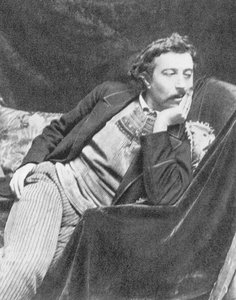
1848 - 1903 , フランス

Master the nuances of Impressionism vs. Post-Impressionism with our expert guide. Explore the revolutionary shift from Monet’s fleeting light to Van Gogh’s emotional depth. Discover how these iconic movements continue to inspire fine art collectors and modern interiors today.

Discover the profound emotional depth of Post-Impressionist landscapes. Explore how masters like Van Gogh revolutionized art through vibrant color, textured impasto, and symbolic expression in this expert guide to the movement that redefined modern art history.


 プレビュー
プレビュー
 シェアする
シェアする シェアする
シェアする
 詳細を見る
詳細を見る ガイド
ガイド

 ダウンロード
 似ている作品
 X線調査
X線調査 スライドショー
 統計情報
統計情報
 詳細を見る
詳細を見る









 ガラスオプションは、110cm未満のサイズでのみご利用いただけます。


