

 TemperaWallArtArt Deco
 Modern
 65.0 x 53.0 cm
 Labirinto della Masone
このページに掲載されている作品は著作権法によって保護されており、当社の許可なく同一の複製物を制作または販売することは法律で禁じられています。この保護は、以下のような国際条約に基づき執行されます。 ベルヌ条約 および、以下の条項に定められたものを含む各国の法律により、 米国著作権法 第17編。
この手法は、著作権で保護された作品の複製や複写を伴わないため、著作権法に完全に準拠しています。これは単なる模倣ではなく、創造的な再解釈です。元の作品からインスピレーションを受けつつも、それとは異なる、全く新しい絵画を生み出すものです。
スピーディーな制作と多彩な仕上げオプションが魅力の、ミュージアムクオリティなジークレー・キャンバスプリント。 ( 手描きの複製画を注文する デジタル画像販売へ切り替え)





























作品のオリジナル比率に合わせた、当店の規定サイズからお選びください。

額縁や壁のスペースに合わせて、ご希望の幅と高さを入力してください。プリントはカットすることは可能ですが、元の画像より大きくすることはできないため、異なる比率のサイズを選択された場合は、画像の一部が欠けることになります。印刷を開始する前に、内容を確認していただくためのデジタルモックアップをお送りいたします。このページに表示されている画像は、実際のカット後の状態を示すものではありません。実際の仕上がりはモックアップにてご確認ください。
Little Slave
複製画サイズ一覧
In the pantheon of twentieth-century visual culture, few names evoke the shimmering allure of the Jazz Age quite like Erté. His masterpiece, Little Slave, serves as a breathtaking window into an era defined by unparalleled glamour and sophisticated design. The artwork presents a stylized, ethereal depiction of a woman caught in a moment of theatrical grace, embodying the very soul of the Art Deco movement. Through elongated forms and meticulous ornamentation, Erté invites the viewer into a world where fashion, movement, and geometry converge to create something truly transcendent. This piece is not merely an illustration; it is a rhythmic dance of lines that captures the pulse of a modernizing world.
The composition is masterfully centered around a singular female figure who commands the frame with an effortless, poised energy. Positioned slightly off-center to suggest a dynamic, mid-motion state, she holds a broom that cuts a diagonal path across the canvas, injecting a sense of kinetic vitality into the stillness. The background, rendered in a deep, solid darkness, acts as a velvet stage, pushing the subject forward and ensuring that every intricate detail of her attire is illuminated. This deliberate use of negative space creates a focused intimacy, making the viewer feel as though they are witnessing a private, fleeting moment of performance.
Technically, Little Slave is a triumph of tempera on canvas, showcasing Erté’s legendary precision. The artist utilizes strong, clean lines to define the silhouette of the figure, contrasting the fluid, organic curves of her pose with the more structured, geometric motifs found within her costume. There is a palpable sense of texture achieved through delicate brushwork; one can almost feel the weight of the patterned fabric and the soft, feathery touch of the broom. The color palette is a masterclass in restrained luxury, relying on a sophisticated harmony of creams, whites, browns, and subtle glints of gold to evoke an atmosphere of timeless opulence.
The lighting within the piece is soft and diffused, casting a gentle glow that smooths the transitions between form and shadow. This lack of harsh contrast contributes to the artwork's polished, almost dreamlike quality. By flattening the perspective—a hallmark of the Art Deco aesthetic—Erté emphasizes the decorative nature of the work, transforming the canvas into a luxurious tapestry of design. For the discerning collector or interior designer, this piece offers a sophisticated focal point that brings a sense of historical depth and rhythmic elegance to any curated space.
Beyond its aesthetic brilliance, Little Slave carries a profound emotional weight. The title introduces a compelling layer of complexity, inviting us to contemplate the juxtaposition between the subject's refined, aristocratic appearance and the symbolic implications of her role. The broom, an instrument of labor and service, stands in stark contrast to the lavishness of her costume, perhaps hinting at a narrative of hidden strength or the theatricality of social roles. This tension between elegance and toil creates a hauntingly beautiful melancholy that lingers in the mind long after the first viewing.
For those seeking to infuse their surroundings with inspiration, this reproduction offers more than just decoration; it offers an encounter with history. It is a piece that speaks to the enduring power of beauty and the intricate dance between grace and reality. Whether placed in a contemporary gallery setting or a classic study, Little Slave remains a captivating testament to Erté’s vision—a vision that continues to define the very meaning of modern luxury.
エルテ作「Little Slave」はWallArtに分類されます。このカテゴリーは、原画の作品形式を表しています。
エルテ作「Little Slave」のPortrait形式は、Living Roomに飾る際におすすめです。作品の形式と空間の調和が、複製画を配置する際の指針となります。
エルテの画業において、「Little Slave」はMature Periodに制作されたものです。この時期を知ることで、同アーティストの他の作品との比較検討が可能になります。

Romain de Tirtoff、すなわちErtéはロシアのサンクトペテルブルクで1892年に生まれました。彼のルネサンスはタタルハンを起源とし、父親は帝国のロシア海軍で傑出した功績を残していました。しかし若いローマンの運命は波ではなく芸術にありました。彼は愛する母親とエキゾチックなペルシャのミニチュアが彼の図書館にあるようにして、繊細かつ永続的な影響を与えました。これらの複雑なデザインは彼の後の作品に洗練された詳細とスタイル化された優雅さを吹き込みました。幼い頃からローマンは驚くべき才能を持っていました。伝説によると彼は母親のために衣装を描いたと言われています。このイラストは驚くべき衣装で描かれ、サンクトペテルブルクのハープスバーズで彼の素晴らしいイラストを飾ったことで、彼の芸術的な才能と一貫した業績が証明されました。これらのイラストは単なるファッションプレートではありませんでした。それは芸術作品であり、エキゾチックな背景に洗練された人物を描き、それぞれのパフォーマンスにおけるドラマ効果を高めました。
父親の海軍でのキャリアを追求する彼の内的な葛藤は彼にペンネーム「Erté」を採用させました。これは彼のイニシャルからの巧妙な適応であり、フランス語で発音され、彼の家族が潜在的な失望から保護するために使用されました。彼は1910年に芸術とファッションの中心であるパリへ出発し、彼の父親の図書館にあるペルシャのミニチュアにインスピレーションを与えたエキゾチックな美しさを持つ母親を愛していました。この葛藤は彼にペンネーム「Erté」を採用させました。これは彼のイニシャルからの巧妙な適応であり、フランス語で発音され、彼の家族が潜在的な失望から保護するために使用されました。彼は1910年に芸術とファッションの中心であるパリへ出発し、彼の父親の図書館にあるペルシャのミニチュアにインスピレーションを与えたエキゾチックな美しさを持つ母親を愛していました。
パリで彼は芸術的な環境に没頭しました。彼は当初は職人として働きましたが、彼の野心は単純な実行を超えていました。彼はパオイエの有名な「ファッション王」にポートフォリオを提示したとき、彼の卓越した才能を認識しすぐに協力関係を結びました。このコラボレーションはErtéに衣装とアクセサリーのデザイン経験を与え、ハープスバーズで彼の素晴らしいイラストを飾ったことで彼の芸術的な才能と一貫した業績が証明されました。彼はファッションを描いただけでなく定義しました。彼はエキゾチックな背景に洗練された人物を描き、それぞれのパフォーマンスにおけるドラマ効果を高めました。
しかし彼のハープスバーズとの関係は彼の芸術的な才能を広げ、新たな聴衆にさらしたことで彼の芸術的なキャリアを確立しました。彼はファッションイラストレーターとして優れた業績を残し、彼のスタイルはエキゾチックな背景に洗練された人物を描き、それぞれのパフォーマンスにおけるドラマ効果を高めました。
Ertéの芸術的な才能はファッションイラストレーションを超えていました。彼は劇場で多くの公演をデザインし、豪華なスペクタクルを開催しました。彼のデザインは単なる衣装ではありませんでした。それはキャラクターに命を吹き込み、パフォーマンスにおけるドラマ効果を高めるための変革的な創造物でした。
彼は1925年にハリウッドへ進出しました。彼は映画業界で短い期間でしたが新しい聴衆にさらされ、彼の芸術的な視点をさらに洗練させました。
Ertéは多くの賞を受賞し、フランス政府から芸術家メダルを授与されました。彼はパリで1990年に97歳で亡くなり、彼の遺産は驚異と称賛に値しています。彼の作品は洗練された優雅さとエキゾチックな背景に洗練された人物を描き、それぞれのパフォーマンスにおけるドラマ効果を高めました。
彼は芸術史において最も重要な人物の一人であり、彼のスタイルはエキゾチックな背景に洗練された人物を描き、それぞれのパフォーマンスにおけるドラマ効果を高めました。彼のデザインはファッショントレンドやインテリアデザインを広げました。

1892 - 1990 , ロシア

Master the nuances of Giclée printing with our expert guide. Discover how pigment-based inks and museum-grade substrates create fade-resistant, high-fidelity art reproductions designed for discerning collectors seeking unparalleled quality and longevity.

Discover the breathtaking allure of Art Deco. Explore the era's iconic geometry, legendary designers like Erté, and timeless glamour. Perfect for discerning collectors seeking to infuse their spaces with sophisticated modernist elegance and historical prestige.

Discover the allure of Art Deco style with our expert guide to luxury interiors. Explore iconic influences from Erté to Jean Dunand and learn to curate a sophisticated space filled with timeless glamour and geometric elegance.
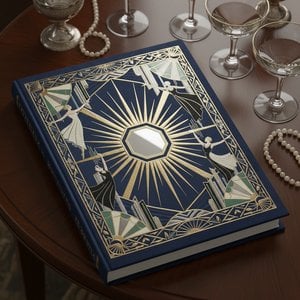
Discover the allure of Art Deco through a curated guide to its most iconic masterpieces. Explore the elegance of Erté and the innovation of Jean Dunand, perfect for collectors seeking timeless glamour and sophisticated design inspiration.

Discover the unparalleled elegance of Art Deco through the lens of Erté. Explore a masterclass in linear precision, theatrical costume design, and high-fashion illustration that continues to define modern luxury and sophisticated interior aesthetics.

 設置イメージを確認
 送る
送る シェア
シェア
 詳細情報
詳細情報 ガイドを表示

 画像をダウンロード
 似ている作品
 X線調査
X線調査 スライドショー
 統計情報
統計情報 続きを読む
続きを読む









 ガラスオプションは、110cm未満のサイズでのみご利用いただけます。


