
当社のアーティストが、お客様のご希望のサイズと額縁に合わせて、キャンバスに手描きで制作する油彩画です。 ( プリント版に切り替え デジタル画像販売へ切り替え)





























作品のオリジナル比率に合わせた、当店の規定サイズからお選びください。

特定のフレームやスペースに合わせて、ご希望のサイズをご入力いただけます。選択されたサイズが元の画像の比率と異なる場合、アートワークをトリミングするか、手描きで要素を追加して絵画を拡張いたします。デジタルモックアップ を制作し、制作開始前にご確認(承認)をいただきます。
画面上のプレビューは、実際のトリミングや拡張を正確に反映しているものではありません。最終的な構図は、モックアップによってのみ正確にご確認いただけます。
カスタムサイズもご利用いただけますが、元の比率を維持するためには、あらかじめ用意されたリストからサイズを選択することをお勧めいたします。

Vier Badende
複製画のサイズ
Ernst Ludwig Kirchner’s “Vier Badende” (Four Bathing Women), painted in 1910, is more than just a depiction of four women enjoying a lakeside moment; it’s a visceral expression of the anxieties and burgeoning modernity that defined early 20th-century Germany. This captivating work, now residing within the Von Der Heydt Museum in Wuppertal, exemplifies the core tenets of Expressionism – a movement Kirchner helped pioneer with his unflinching portrayal of human emotion and experience. The painting immediately arrests the viewer with its bold, almost jarring, color palette; vibrant blues, greens, and reds clash dynamically, reflecting not a serene natural scene but rather an intensely felt psychological state.
Kirchner’s mastery lies not in meticulous realism but in his ability to translate raw emotion onto canvas. “Vier Badende” is executed with thick, impasto brushstrokes – a technique that adds texture and physicality to the scene. The distorted forms of the women are deliberately exaggerated, reflecting Kirchner's desire to convey inner turmoil rather than simply represent external reality. The use of color isn’t about accurate representation; it’s about evoking feeling. The jarring juxtaposition of hues creates a sense of unease and psychological tension, mirroring the anxieties of the era.
Kirchner’s choice of oil on canvas allowed him to build up layers of paint, creating a rich surface that seems to pulsate with energy. This technique is particularly evident in the rendering of the women's skin, which appears almost sculpted – a deliberate departure from traditional academic approaches to figure painting.
"Vier Badende" was created during a period of immense social and political upheaval in Germany. The rise of industrialization, urbanization, and new philosophical ideas were challenging traditional values and creating a sense of disorientation. Kirchner’s art reflects this anxiety, capturing the feeling of alienation and displacement that many people experienced at the time. The painting can be interpreted as a commentary on the changing role of women in society – their increasing freedom alongside the anxieties surrounding sexuality and identity.
The scene itself—women bathing together—holds symbolic weight. It represents a fleeting moment of intimacy and connection, yet this is immediately undermined by the overall mood of isolation and tension within the painting. The figures are not united; they exist in their own separate worlds, reflecting the fragmented nature of modern life.
“Vier Badende” remains a powerful testament to Kirchner’s artistic vision and his profound understanding of the human condition. It is a key work within the Expressionist movement, demonstrating the movement's commitment to subjective experience over objective representation. Its enduring appeal lies in its ability to evoke a strong emotional response – a sense of unease, vulnerability, and perhaps even a glimmer of hope amidst the chaos of modern life. This painting offers a rare glimpse into the soul of an artist grappling with the complexities of his time, making it a truly significant addition to any collection or a compelling focal point for interior design.


1880 - 1938 , ドイツ

Explore the profound emotional depth of Expressionist painting. From the bold colors of Emil Nolde to the distorted forms of Kirchner, discover how this movement redefined art through raw feeling and visceral texture in our expert guide to art history.
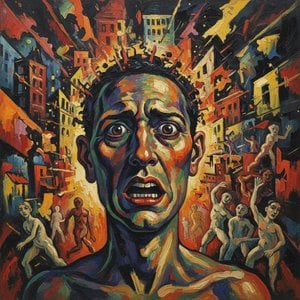
Explore the profound psychological depths of Expressionist art. From Schiele to Kirchner, discover how these masterpieces evoke raw emotion. Our expert curation offers museum-quality reproductions for the discerning collector seeking intensity and soul in their modern fine art collection.

Explore the raw emotion of German Expressionism through a definitive guide to Ernst Ludwig Kirchner. Discover how his bold colors and distorted forms redefined modern art history, from Berlin street scenes to iconic masterpieces.

Master the profound depths of Expressionism with our expert guide. Discover how pioneers like Munch and Kirchner used color and distortion to evoke raw emotion—essential knowledge for any discerning art collector seeking to curate intensity.

Delve into the visceral world of German Expressionism. Explore the history, key artists like Kirchner and Kandinsky, and the movement's profound emotional impact through an expert art-history lens. Discover how bold colors and distortion redefined modern aesthetics.


 プレビュー
プレビュー
 シェアする
シェアする シェアする
シェアする
 詳細を見る
詳細を見る

 ダウンロード
 似ている作品
 X線調査
X線調査 スライドショー
 統計情報
統計情報

 詳細を見る
詳細を見る









 ガラスオプションは、110cm未満のサイズでのみご利用いただけます。


