
x


迅速な制作と多彩な仕上げオプションを備えた、ミュージアムクオリティのジークレーまたはキャンバスプリント。 ( 手描きの絵画を購入 画像を購入)





























作品のオリジナル比率に合わせた、当店の規定サイズからお選びください。

特定のフレームやスペースに合わせて、ご自身でサイズを指定することも可能です。選択されたサイズが元の画像の比率と一致しない場合、作品をトリミングするか、鏡面反射または単色での塗りつぶしによって画像を拡張いたします。制作を開始する前に、ご確認用のデジタルモックアップをお送りいたします。
画面上のプレビューには、実際のトリミングや拡張は反映されませんのでご注意ください。最終的な構図を正確に確認できるのは、モックアップのみとなります。
カスタムサイズも承っておりますが、元の比率を維持するためには、あらかじめ用意されたリストからサイズを選択することをお勧めいたします。

Street, Berlin
複製画のサイズ
Ernst Ludwig Kirchner's “Street, Berlin,” painted in 1913, isn’t merely a depiction of a city street; it’s a visceral plunge into the anxieties and alienation simmering beneath the surface of early 20th-century urban life. This work, now beautifully reproduced on hand-painted canvas by WahooArt.com, captures a moment suspended in time – a chaotic tableau of figures crammed onto a Berlin sidewalk, their faces obscured, their movements hurried, radiating an unsettling sense of urgency and isolation. Kirchner, a pivotal figure in the Expressionist movement, doesn’t aim for realistic representation; instead, he employs distortion, bold color, and jarring lines to convey a psychological state – a feeling of being overwhelmed by the relentless energy and anonymity of the metropolis.
The painting immediately assaults the senses. The palette is dominated by intense reds, blues, blacks, and purples, applied in broad, unblended strokes that create a raw, almost violent effect. These colors aren’t chosen for their beauty but for their ability to evoke unease and tension. Kirchner's masterful use of line further amplifies this feeling. Harsh, angular lines define the figures and their clothing, creating a sense of fragmentation and instability. There is little evidence of curves or flowing forms; instead, sharp angles dominate, mirroring the fractured nature of modern urban experience. The perspective is deliberately flattened, compressing space and contributing to a claustrophobic atmosphere – as if the viewer is being drawn into this swirling mass of humanity.
To understand “Street, Berlin,” it’s crucial to recognize Kirchner's place within the broader context of German Expressionism. Emerging in the early 20th century, this movement sought to express inner emotions rather than objective reality. Kirchner, along with fellow artists like Erich Heckel and Max Pechstein, rejected academic conventions and embraced a more subjective approach to art. His earlier work, influenced by Dürer’s meticulous detail and the vibrant colors of Matisse, gradually shifted towards a darker, more emotionally charged style. The painting reflects this evolution, drawing on elements of Fauvism while simultaneously forging its own distinct voice. Kirchner's personal life also played a significant role; his struggles with mental health and his experiences during World War I undoubtedly informed the work’s underlying sense of anxiety and disillusionment.
Interestingly, Kirchner’s exploration of urban alienation wasn’t entirely divorced from his surroundings. Berlin in 1913 was a city undergoing rapid transformation – a hub of industry, immigration, and social change. The painting captures this dynamism but also hints at the darker side of modernity: the loss of community, the erosion of individual identity, and the pervasive sense of isolation that can accompany urban life. The figures in “Street, Berlin” are not individuals; they’re anonymous cogs in a vast, impersonal machine.
While seemingly straightforward, "Street, Berlin" is rich with symbolic meaning. The obscured faces of the figures suggest anonymity and detachment – each individual lost within the crowd. The arrangement of the figures in a diagonal composition creates a sense of movement and instability, mirroring the chaotic nature of urban life. The use of contrasting colors further emphasizes this tension, as if the very air is thick with unspoken anxieties. Some scholars have interpreted the painting as a commentary on the changing role of women in society during this period, while others see it as a broader reflection on the alienation and fragmentation of modern humanity. Kirchner himself often resisted definitive interpretations, preferring to let the work speak for itself.
WahooArt.com is proud to offer meticulously hand-painted reproductions of “Street, Berlin,” capturing the essence of Kirchner's original vision with unparalleled detail and vibrancy. Unlike digital prints, our reproductions faithfully recreate the texture and brushstrokes of the oil on canvas, transporting you directly into the heart of this powerful work. Whether adorning your living room wall or serving as a striking addition to your art collection, a WahooArt.com reproduction of “Street, Berlin” is more than just a picture; it’s an immersive experience – a poignant reminder of the complexities and contradictions of modern life. Explore our range of sizes and framing options today and bring this iconic masterpiece into your space.


1880 - 1938 , ドイツ

Explore the raw emotion of German Expressionism through a definitive guide to Ernst Ludwig Kirchner. Discover how his bold colors and distorted forms redefined modern art history, from Berlin street scenes to iconic masterpieces.

Explore the captivating journey of street art from urban walls to prestigious galleries. Discover how contemporary graffiti has evolved into a high-end collectible movement, redefining modern interior design and global art culture.

Elevate luxury hospitality interiors with the electric energy of street photography. Discover bespoke urban art commissions, from monochrome oil reproductions to large-scale murals, curated for designers seeking impactful architectural statements through expert consultation.
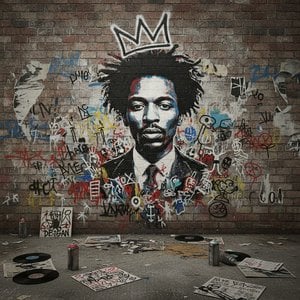
Explore the raw energy of Jean-Michel Basquiat and Neo-Expressionism. Discover how urban rebellion redefined modern art through a lens of luxury, identity, and profound emotional intensity for the discerning collector.


最新の美術ニュース、限定オファー、そしてインテリアのアイデアをいち早くお届けします。
お客様のプロジェクトについてお聞かせください。当社の美術専門家が、お客様に合わせた3つのパーソナライズされた芸術提案をご提供いたします。
あなたにぴったりの3作品を無料で厳選いたします


 プレビュー
プレビュー
 シェアする
シェアする シェアする
シェアする
 詳細を見る
詳細を見る

 ダウンロード
 似ている作品
 X線調査
X線調査 スライドショー

 詳細を見る
詳細を見る









 ガラスオプションは、110cm未満のサイズでのみご利用いただけます。


