当社のアーティストが、お客様のご希望のサイズと額縁に合わせて、キャンバスに手描きで制作する油彩画です。 ( プリント版に切り替え デジタル画像販売へ切り替え)





























作品のオリジナル比率に合わせた、当店の規定サイズからお選びください。

特定のフレームやスペースに合わせて、ご希望のサイズをご入力いただけます。選択されたサイズが元の画像の比率と異なる場合、アートワークをトリミングするか、手描きで要素を追加して絵画を拡張いたします。デジタルモックアップ を制作し、制作開始前にご確認(承認)をいただきます。
画面上のプレビューは、実際のトリミングや拡張を正確に反映しているものではありません。最終的な構図は、モックアップによってのみ正確にご確認いただけます。
カスタムサイズもご利用いただけますが、元の比率を維持するためには、あらかじめ用意されたリストからサイズを選択することをお勧めいたします。

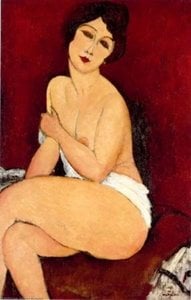
Seated female nude. study
複製画のサイズ
In the quiet, tension-filled space of Ernst Ludwig Kirchner’s “Seated Female Nude. Study,” we are invited into a moment that transcends mere observation, pulling us into the very heart of German Expressionism. Created around 1909, this work serves as a profound window into an era defined by psychological depth and the rejection of superficial beauty. The painting captures a solitary female figure, seated with her legs crossed in a state of repose, yet there is nothing passive about the energy radiating from the canvas. A second, more ghostly male form lingers in the background, creating a deliberate, unsettling juxtaposition that heightens the sense of isolation and vulnerability. It is not merely a study of the human anatomy, but an exploration of the soul’s exposure to the world.
To gaze upon this piece is to experience the visceral power of Die Brücke—the "Bridge" movement—where artists sought to bridge the gap between the internal psyche and the external reality. The subject matter, while centered on the nude form, challenges the traditional, idealized depictions of femininity prevalent in academic art. Instead, Kirchner presents a figure that feels immediate and raw, reflecting the burgeoning anxieties of a modernizing Europe. For the collector or the designer, this artwork offers more than just visual interest; it provides a focal point of profound emotional gravity, making it an ideal centerpiece for spaces that value intellectual depth and avant-garde sophistication.
The technical mastery of Kirchner in this study lies in his ability to use color as a direct conduit for emotion. Eschewing the naturalistic palettes of his predecessors, he employs a vibrant, almost jarring array of yellows, greens, reds, and deep blacks. These colors are not blended into smooth gradients but are applied with thick, impasto brushstrokes that create a palpable, tactile surface. This fragmented approach to color creates a rhythmic tension across the canvas, where light is not something that falls upon objects, but something that seems to erupt from within them. The use of bright yellows and greens to indicate highlights adds a flickering, nervous energy to the figure’s skin, emphasizing the painting's psychological intensity.
The composition further reinforces this sense of unrest through its deliberate rejection of traditional perspective. Kirchner utilizes a flattened plane, where objects and figures exist with a claustrophobic proximity. This lack of depth forces the viewer into an intimate, almost confrontational relationship with the seated figure. The lines are often thick, angular, and unrefined, serving to define shapes through movement rather than anatomical precision. For those looking to adorn a contemporary interior, the bold geometry and striking color contrasts of this reproduction offer a sophisticated way to introduce movement and a sense of historical importance into a room.
Beyond its formal brilliance, “Seated Female Nude. Study” resonates with a deep symbolic weight. The vulnerability of the nude form acts as a metaphor for the human condition in the early 20th century—a period marked by rapid industrialization and the fracturing of old societal certainties. The tension between the central figure and the shadowy presence in the background speaks to the complexities of identity, intimacy, and the encroaching pressures of modern life. It is an artwork that does not seek to provide answers, but rather to pose evocative questions about presence and absence.
Owning a high-quality reproduction of such a masterpiece allows one to bring this historical dialogue into the modern home. Whether placed in a curated gallery wall or standing alone as a bold statement piece, the painting’s ability to evoke feelings of both introspection and dynamism is unparalleled. It remains a timeless testament to Kirchner's legacy, offering an enduring source of inspiration for anyone moved by the raw, unyielding beauty of the human spirit captured through the lens of Expressionism.


1880 - 1938 , ドイツ

Immerse yourself in the raw emotion of German Expressionism. Explore 10 iconic masterpieces by legends like Kirchner and Kandinsky. From bold colors to avant-garde techniques, find inspiration for your collection with museum-quality reproductions. Discover all masterpieces on WahooArt.com
Immerse yourself in the vibrant world of German Expressionism with our curated guide to Franz Marc's top 25 masterpieces. Explore the spiritual energy and symbolic colors of The Blue Rider movement. Find museum-quality art reproductions for your decor. Discover all masterpieces on WahooArt.com

Journey through history with 10 iconic artworks celebrating the female figure. From Renaissance grace to modern mastery, explore the stories behind these timeless masterpieces and find museum-quality art reproductions for your decor. Discover all masterpieces on WahooArt.com.

Immerse yourself in the vibrant world of Alexej von Jawlensky. Explore 25 iconic Expressionist masterpieces, from emotive portraits to bold colors. Find inspiration for your collection with museum-quality art reproductions at WahooArt.com. Discover all masterpieces online.

Immerse yourself in the raw emotion of German Expressionism. Explore 25 iconic masterpieces by Ernst Ludwig Kirchner, from bold street scenes to vibrant landscapes. Find inspiration for museum-quality art reproductions and decor. Discover all masterpieces on WahooArt.com.


 プレビュー
プレビュー
 シェアする
シェアする シェアする
シェアする
 詳細を見る
詳細を見る ガイド
ガイド

 ダウンロード
 似ている作品
 X線調査
X線調査 スライドショー
 統計情報
統計情報

 詳細を見る
詳細を見る









 ガラスオプションは、110cm未満のサイズでのみご利用いただけます。