
 Woodblock PrintExpressionism
 1933
1933 44.0 x 35.0 cm
当社のアーティストが、お客様のご希望のサイズと額縁に合わせて、キャンバスに手描きで制作する油彩画です。 ( プリント版に切り替え デジタル画像販売へ切り替え)





























作品のオリジナル比率に合わせた、当店の規定サイズからお選びください。

特定のフレームやスペースに合わせて、ご希望のサイズをご入力いただけます。選択されたサイズが元の画像の比率と異なる場合、アートワークをトリミングするか、手描きで要素を追加して絵画を拡張いたします。デジタルモックアップ を制作し、制作開始前にご確認(承認)をいただきます。
画面上のプレビューは、実際のトリミングや拡張を正確に反映しているものではありません。最終的な構図は、モックアップによってのみ正確にご確認いただけます。
カスタムサイズもご利用いただけますが、元の比率を維持するためには、あらかじめ用意されたリストからサイズを選択することをお勧めいたします。

Dancing Mary Wigman
複製画のサイズ
To stand before this depiction of Dancing Mary Wigman is to confront raw, unbridled energy captured in stark monochrome. It is not merely a portrait of a dancer; it is an embodiment of kinetic force, a moment wrested from the ephemeral nature of performance and rendered permanent through the unforgiving clarity of the woodcut medium. The figure seems caught mid-flight, her posture defying gravity with angular grace. Every line etched into this print pulses with life, suggesting a narrative of struggle, ecstasy, or profound liberation. This work speaks directly to the primal rhythms of the human body in motion, inviting the viewer not just to look, but to feel the rhythm beneath their own skin.
Dating from 1933, this piece sits squarely within the powerful current of German Expressionism. Ernst Ludwig Kirchner, the master whose hand shaped this vision, channeled the anxieties and heightened emotional states of a rapidly changing world into his art. The style eschews academic polish for visceral truth. Observe how the forms are not rendered realistically but rather distilled into their most essential geometric components—sharp triangles, bold diagonals, and sweeping curves. This simplification is deliberate; it strips away the mundane veneer of reality to expose something more fundamental: pure feeling. It is an art that refuses comfort, demanding instead a passionate engagement with its emotional intensity.
Technically, the woodcut process dictates the artwork's dramatic vocabulary. The medium itself—the carving into wood and the subsequent transfer of ink—results in lines of breathtaking crispness and uncompromising strength. There is no subtle blending here; instead, shadow and volume are built through the juxtaposition of dense black areas against stark white voids. This high-contrast interplay creates an almost graphic tension across the surface. The implied texture comes from the density of these parallel or intersecting marks, giving the drapery and musculature a palpable weight, even as the overall composition feels weightless, suspended in motion.
The subject matter—the dancer—has always been a potent symbol throughout art history, but here it takes on an added layer of symbolic resonance. Mary Wigman’s dance, captured by Kirchner, transcends mere entertainment; it becomes an allegory for the modern spirit grappling with societal constraints. The outstretched limbs and leaning torso suggest a yearning for freedom, a breaking away from rigid structure. For collectors and designers alike, this piece offers more than just decoration; it is a potent talisman of vitality. Placing such a work in a space imbues it with intellectual energy, suggesting that the inhabitants value raw emotion and artistic rebellion.
For those seeking an accent piece that speaks volumes without uttering a word, this reproduction offers unparalleled dramatic impact. Its vertical orientation makes it ideal for anchoring a hallway or serving as a powerful focal point above a console table. The stark black and white palette ensures its timeless modernity; it complements both minimalist contemporary interiors and richly decorated historical settings by virtue of its inherent graphic power. Owning this piece is acquiring a fragment of artistic history—a visceral echo of German modernism ready to electrify your space.


1880 - 1938 , ドイツ

Master the profound depths of Expressionism with our expert guide. Discover how pioneers like Munch and Kirchner used color and distortion to evoke raw emotion—essential knowledge for any discerning art collector seeking to curate intensity.

Explore the raw emotion of German Expressionism through a definitive guide to Ernst Ludwig Kirchner. Discover how his bold colors and distorted forms redefined modern art history, from Berlin street scenes to iconic masterpieces.
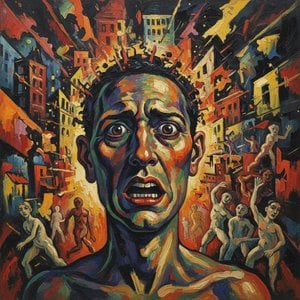
Explore the profound psychological depths of Expressionist art. From Schiele to Kirchner, discover how these masterpieces evoke raw emotion. Our expert curation offers museum-quality reproductions for the discerning collector seeking intensity and soul in their modern fine art collection.

Explore the profound emotional depth of Expressionist painting. From the bold colors of Emil Nolde to the distorted forms of Kirchner, discover how this movement redefined art through raw feeling and visceral texture in our expert guide to art history.

Delve into the visceral world of German Expressionism. Explore the history, key artists like Kirchner and Kandinsky, and the movement's profound emotional impact through an expert art-history lens. Discover how bold colors and distortion redefined modern aesthetics.


 プレビュー
プレビュー
 シェアする
シェアする シェアする
シェアする
 詳細を見る
詳細を見る

 ダウンロード
 似ている作品
 X線調査
X線調査 スライドショー
 統計情報
統計情報 詳細を見る
詳細を見る









 ガラスオプションは、110cm未満のサイズでのみご利用いただけます。


