


 Contemporary Realism
 1915
1915 39.0 x 31.0 cm
 Ben Uri Gallery and Museum
作品のオリジナル比率に合わせた、当店の規定サイズからお選びください。

特定のフレームやスペースに合わせて、ご希望のサイズをご入力いただけます。選択されたサイズが元の画像の比率と異なる場合、アートワークをトリミングするか、手描きで要素を追加して絵画を拡張いたします。デジタルモックアップ を制作し、制作開始前にご確認(承認)をいただきます。
画面上のプレビューは、実際のトリミングや拡張を正確に反映しているものではありません。最終的な構図は、モックアップによってのみ正確にご確認いただけます。
カスタムサイズもご利用いただけますが、元の比率を維持するためには、あらかじめ用意されたリストからサイズを選択することをお勧めいたします。

Samaritan High Priest
複製画のサイズ

In the delicate, swirling lines of the Art Nouveau movement, few voices resonate with as much cultural depth and spiritual longing as that of Ephraim Moses Lilien. Born in 1874 in Drohobych, Poland, under the name Maurycy Lilien, this multifaceted creator—a photographer, painter, illustrator, and engraver—did not merely participate in the aesthetic trends of his era; he transformed them. His life was a profound journey through the heart of European fine arts and the burgeoning spirit of Jewish national identity. Educated at the prestigious Academy of Fine Arts in both Vienna and Krakow, Lilien possessed a technical mastery that allowed him to bridge the gap between classical academic training and the avant-garde decorative styles of the early twentieth century.
Lilien’s artistic evolution was deeply intertwined with his personal convictions and his travels. His work serves as a visual chronicle of a period marked by intense political and cultural shifts. Between 1906 and 1918, his excursions to Ottoman Palestine provided him with a direct connection to the landscapes and people that would become central motifs in his oeuvre. This period of exploration allowed him to infuse his Art Nouveau sensibilities with an authentic, lived experience of the Jewish homeland, creating a visual language that was simultaneously modern and ancient.
The true brilliance of Lilien lies in his ability to weave the organic, flowing ornamentation of Art Nouveau into the sacred iconography of Judaism. His compositions often feature the sinuous curves and botanical motifs characteristic of the period, yet these elements are repurposed to tell stories of faith, heritage, and hope. He was a master of the graphic medium, using engraving and illustration to create works that were both aesthetically exquisite and ideologically potent.
Among his most enduring contributions to the art world are:
As a pioneering Zionist artist, Lilien’s impact extends far beyond the boundaries of traditional art history. He was instrumental in creating a new visual vocabulary for a people seeking to redefine their place in the modern world. By blending the contemporary European aesthetic with Jewish themes, he provided a sense of dignity and modernity to Zionist imagery, paving the way for future generations of artists to explore similar intersections of identity and style.
Though his life was tragically short, ending in Badenweiler, Germany, in 1925, his artistic footprint remains indelible. Today, his works are preserved in esteemed institutions such as the Kunstsammlungen und Museen Augsburg, serving as a testament to his role as a bridge-builder between cultures and eras. To study the work of Ephraim Moses Lilien is to witness the birth of a modern Jewish aesthetic, a beautiful confluence of decorative elegance and profound historical purpose.
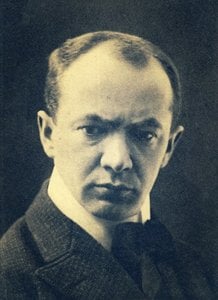
1874 - 1925 , Poland

Master the nuances of Giclée printing with our expert guide. Discover how pigment-based inks and museum-grade substrates create fade-resistant, high-fidelity art reproductions designed for discerning collectors seeking unparalleled quality and longevity.

Explore the profound mastery of engraving and intaglio printmaking. Delve into the rich history, technical precision of the burin, and the enduring legacy of fine art techniques that shaped the world's most iconic masterpieces.
あなたのクリエイティビティを、世界中のファンへ届ける新しい形。在庫リスクなしで始められるオンデマンド・アートプリント販売をご紹介します。美術館品質のジークレー印刷技術を用い、デジタルな感性を一生のレガシーとなるファインアートへと昇華。WahooArtが提案する、洗練されたアーティスト・ビジネスの第一歩をここから。


 プレビュー
プレビュー
 プリントを購入
 シェアする
シェアする シェアする
シェアする
 詳細を見る
詳細を見る

 ダウンロード
 似ている作品
 X線調査
X線調査 スライドショー
 詳細を見る
詳細を見る






































 ガラスオプションは、110cm未満のサイズでのみご利用いただけます。


