
 TextileSurrealist Innovation
 1937
1937 12.0 x 22.0 cm
 メトロポリタン美術館
このページに掲載されている作品は著作権法によって保護されており、当社の許可なく同一の複製物を制作または販売することは法律で禁じられています。この保護は、以下のような国際条約に基づき執行されます。 ベルヌ条約 および、以下の条項に定められたものを含む各国の法律により、 米国著作権法 第17編。
この手法は、著作権で保護された作品の複製や複写を伴わないため、著作権法に完全に準拠しています。これは単なる模倣ではなく、創造的な再解釈です。元の作品からインスピレーションを受けつつも、それとは異なる、全く新しい絵画を生み出すものです。
スピーディーな制作と多彩な仕上げオプションが魅力の、ミュージアムクオリティなジークレー・キャンバスプリント。 ( 手描きの複製画を注文する デジタル画像販売へ切り替え)
作品のオリジナル比率に合わせた、当店の規定サイズからお選びください。

額縁や壁のスペースに合わせて、ご希望の幅と高さを入力してください。プリントはカットすることは可能ですが、元の画像より大きくすることはできないため、異なる比率のサイズを選択された場合は、画像の一部が欠けることになります。印刷を開始する前に、内容を確認していただくためのデジタルモックアップをお送りいたします。このページに表示されている画像は、実際のカット後の状態を示すものではありません。実際の仕上がりはモックアップにてご確認ください。
Evening ensemble
複製画サイズ一覧
The “Evening Ensemble,” crafted by Elsa Schiaparelli in 1937, stands as a testament to the designer’s unwavering commitment to challenging conventions and injecting fantastical elements into haute couture. This remarkable garment—a collaboration between Schiaparelli and André Perugia—captures the spirit of Surrealism at its zenith, embodying a daring fusion of opulent texture and subversive visual language.
At first glance, the dress itself is deceptively simple: a sleek sheath gown constructed from deep purple velvet. However, beneath this luxurious surface lies a masterful illusion. Schiaparelli employed a technique known as “trompe l’œil,” cleverly utilizing metallic threads woven throughout the fabric to create an ethereal shimmer that mimics the dappled light filtering through a dense forest canopy. This subtle textural manipulation elevates the garment beyond mere drapery, transforming it into an immersive sensory experience.
Complementing the gown is Perugia’s jacket—a bold declaration of color and ornamentation. Embroidered with intricate floral motifs in shades of gold and yellow satin, it defies traditional notions of elegance. The embroidery isn't merely decorative; it speaks to Schiaparelli’s fascination with botanical imagery and her exploration of natural forms within an artistic framework. These flowers are stylized, almost abstracted, mirroring the Surrealist preoccupation with dreamlike landscapes and distorted perspectives.
The ensemble’s significance extends beyond its aesthetic qualities. It reflects Schiaparelli's broader artistic vision—a rejection of academic formalism in favor of imaginative storytelling. Inspired by her upbringing amidst intellectual luminaries like her father, Celestino Schiaparelli, a scholar of Islamic studies and Sanskrit, Elsa embraced influences from diverse cultures and esoteric traditions.
Furthermore, the dress’s provenance adds to its allure. Millicent Rogers, a celebrated Southwestern Native American artist and philanthropist, gifted her entire wardrobe—including this iconic piece—to the Brooklyn Museum. This donation ensured that “Evening Ensemble” would be preserved for posterity, allowing future generations to appreciate Schiaparelli's groundbreaking contribution to fashion history.
Today, reproductions of “Evening Ensemble” continue to inspire designers and collectors alike. Its enduring appeal lies in its ability to transport the viewer into a realm of imaginative beauty—a celebration of color, texture, and artistic innovation that solidified Elsa Schiaparelli’s place as one of the most influential figures in 20th-century art.
エルザ・スキャパレリ作「Evening ensemble」の展示に関する情報は、フォーマット(Portrait)と推奨される設置場所(Living Room)の2点です。
エルザ・スキャパレリ作「Evening ensemble」の著作権の状態は明確であり、本作は著作権により保護されていますです。メトロポリタン美術館に所蔵されているという事実によって、この状態が変わることはありません。
エルザ・スキャパレリ作「Evening ensemble」の色調は、Mutedの彩度とMonochromaticの強さを備えています。


1890 - 1973 , イタリア

Discover the unparalleled elegance of Art Deco through the lens of Erté. Explore a masterclass in linear precision, theatrical costume design, and high-fashion illustration that continues to define modern luxury and sophisticated interior aesthetics.

Master the nuances of Giclée printing with our expert guide. Discover how pigment-based inks and museum-grade substrates create fade-resistant, high-fidelity art reproductions designed for discerning collectors seeking unparalleled quality and longevity.
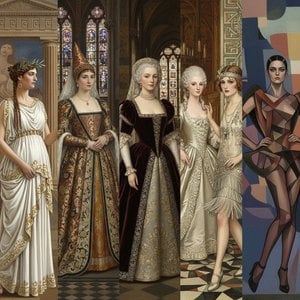
Explore the breathtaking intersection of fine art and high fashion. Discover how iconic masterpieces from Art Deco to Impressionism have shaped the world of luxury couture and timeless design in this curated visual journey.

Discover the breathtaking allure of Art Deco. Explore the era's iconic geometry, legendary designers like Erté, and timeless glamour. Perfect for discerning collectors seeking to infuse their spaces with sophisticated modernist elegance and historical prestige.
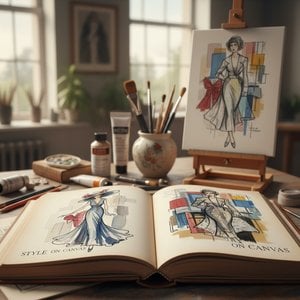
Discover the exquisite world of fashion illustration art. From Art Deco elegance to bespoke oil reproductions, explore how timeless sartorial beauty transforms luxury interiors through masterfully crafted canvas works and curated historical masterpieces.


 送る
送る シェア
シェア
 詳細情報
詳細情報 ガイドを表示

 画像をダウンロード
 似ている作品
 スライドショー
 統計情報
統計情報 続きを読む
続きを読む






































 ガラスオプションは、110cm未満のサイズでのみご利用いただけます。


