

スピーディーな制作と多彩な仕上げオプションが魅力の、ミュージアムクオリティなジークレー・キャンバスプリント。 ( 手描き複製画を注文する デジタル画像販売へ切り替え)





























作品のオリジナル比率に合わせた、当店の規定サイズからお選びください。

額縁や壁のスペースに合わせて、ご希望の幅と高さを入力してください。プリントはカットすることは可能ですが、元の画像より大きくすることはできないため、異なる比率のサイズを選択された場合は、画像の一部が欠けることになります。印刷を開始する前に、内容を確認していただくためのデジタルモックアップをお送りいたします。このページに表示されている画像は、実際のカット後の状態を示すものではありません。実際の仕上がりはモックアップにてご確認ください。
Venus and Vulcan
複製画サイズ一覧
El Greco's *Venus and Vulcan*, a captivating black and white photograph depicting two statues, offers a poignant meditation on duality – the masculine and feminine, strength and vulnerability, creation and destruction. The image, seemingly simple in its composition, reveals layers of artistic intent and historical resonance deeply rooted in the artist’s unique vision. The stark contrast between the nude male figure and the draped female, coupled with their intertwined hands, immediately draws the viewer into a dialogue about connection and opposition. This isn't merely a representation of mythological figures; it’s an exploration of fundamental human tensions, rendered with El Greco’s signature dramatic flair.
Doménikos Theotokópoulos, better known as El Greco, was a revolutionary figure in the art world. Born in Crete in 1541, his artistic journey began within the traditions of Byzantine iconography, yet he swiftly developed a style that defied categorization. Influenced by Venetian Mannerism and the spiritual fervor of Toledo, Spain – where he spent much of his career – El Greco created works characterized by elongated figures, intense emotional expression, and a dramatic use of light and shadow. His work anticipated movements like Expressionism and Cubism, demonstrating an extraordinary prescience in his approach to form and emotion. The inclusion of the sports ball and cup adds a layer of intrigue, perhaps suggesting a commentary on contemporary life or a deliberate disruption of classical themes – a hallmark of El Greco’s unconventional genius.
The pairing of Venus (Aphrodite in Roman mythology) and Vulcan (Hephaestus) is rich with symbolic meaning. Venus, goddess of love, beauty, and fertility, represents the creative force of life and passion. Vulcan, god of fire, metalworking, and crafts, embodies destruction, transformation, and the forging of new beginnings. Their hands clasped together suggest a precarious balance between these opposing forces – a recognition that creation inevitably involves destruction, and vice versa. The woman’s dress further emphasizes this duality; it's a garment of protection and societal expectation juxtaposed against the raw vulnerability of her partner’s nudity.
While the photograph itself is a reproduction, understanding El Greco’s original techniques offers valuable insight. He was known for his impasto technique – applying thick layers of paint to create textured surfaces that seemed to vibrate with energy. His use of color, though often muted in later works, was previously characterized by bold contrasts and vibrant hues. El Greco's influence extended far beyond his own lifetime, inspiring generations of artists who sought to capture the raw emotion and spiritual intensity of his vision. This reproduction captures not just an image but a legacy – a testament to El Greco’s enduring power to provoke thought and stir the soul.
「Venus and Vulcan」の推奨プリント設定は、サイズLarge、向きPortraitです。
エル・グレコ作「Venus and Vulcan」の美術史的な分類は、Late Medieval期におけるBaroque Expressionismです。
エル・グレコ作「Venus and Vulcan」は、Mutedの彩度とMonochromaticの強烈な色彩で描かれています。

1541 - 1614 , ギリシャ

Explore the captivating world of El Greco! Discover his unique style, spiritual intensity, and lasting impact on art history. Learn about this Renaissance master's life, iconic paintings & legacy.

エル・グレコの傑作25選:魂を揺さぶる宗教画の世界へ。スペイン絵画の巨匠、マニエリスム様式と Toledo の光彩を紐解きます。WahooArt.com で名画のアートプリントや複製画をお楽しみください。コレクションはこちら →

Explore 10 iconic paintings dominated by black tones, from Rembrandt’s chiaroscuro to Goya's dark expressions. Discover the stories behind these masterpieces & find museum-quality art reproductions for your home at .

Journey through art history with our Top 10 bronze sculptures! Explore masterpieces by Rodin, Michelangelo & more. Discover stories behind iconic statues and find museum-quality reproductions for your home decor at WahooArt.com.
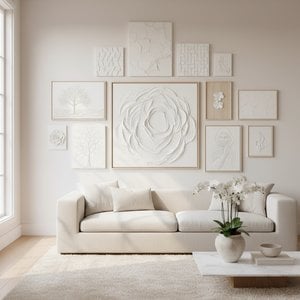
Explore 10 iconic white paintings by Monet, Whistler & Rothko! Discover the stories behind these serene masterpieces and their impact on art history. Find museum-quality reproductions for your home decor at .
 設置イメージを表示
 シェアする
シェアする シェアする
シェアする
 詳細を見る
詳細を見る ガイドを表示

 ダウンロード
 似ている作品
 X線調査
X線調査 スライドショーを表示
 Q&A
Q&A
 統計情報
統計情報

 詳細を表示
詳細を表示









 ガラスオプションは、110cm未満のサイズでのみご利用いただけます。


