スピーディーな制作と多彩な仕上げオプションが魅力の、ミュージアムクオリティなジークレー・キャンバスプリント。 ( 手描き複製画を注文する デジタル画像販売へ切り替え)





























作品のオリジナル比率に合わせた、当店の規定サイズからお選びください。

額縁や壁のスペースに合わせて、ご希望の幅と高さを入力してください。プリントはカットすることは可能ですが、元の画像より大きくすることはできないため、異なる比率のサイズを選択された場合は、画像の一部が欠けることになります。印刷を開始する前に、内容を確認していただくためのデジタルモックアップをお送りいたします。このページに表示されている画像は、実際のカット後の状態を示すものではありません。実際の仕上がりはモックアップにてご確認ください。
untitled
複製画サイズ一覧
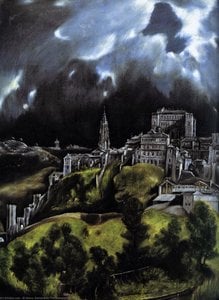
Doménikos Theotokópoulos, universally recognized as El Greco – “the Greek” – stands apart from his contemporaries not merely as an artist but as a figure whose life embodied the contradictions and passions characteristic of the Renaissance. Born in Crete in 1541, under Venetian dominion, he embarked on a transformative artistic odyssey that spanned Venice and Rome before culminating in Toledo, Spain—a city steeped in religious fervor and haunted by the specter of the Inquisition.
El Greco’s style defies easy categorization. Initially trained within the Byzantine tradition, prioritizing meticulous detail and reverence for sacred imagery, he swiftly rejected convention, forging a path toward an expressive idiom that would foreshadow movements like Expressionism and Cubism. His canvases pulsate with an inner luminescence—a hallmark of his signature technique—characterized by elongated figures rendered in luminous shades of white and gold against dark backgrounds. This dramatic juxtaposition wasn’t merely stylistic; it served as a conduit for conveying profound spiritual emotion.
The historical context surrounding El Greco’s work profoundly shaped his artistic vision. Toledo, under Habsburg rule, was a crucible of religious zealotry—a city where the Catholic Church exerted considerable influence and where heresy was met with brutal repression. This atmosphere permeated El Greco's oeuvre, informing his preoccupation with themes of faith, martyrdom, and divine revelation.
Symbolism permeates El Greco’s paintings. Recurring motifs—such as halos encircling figures representing saints—underscore the sanctity of their subjects and convey a sense of transcendence. The dark backgrounds against which these luminous figures are positioned symbolize darkness overcome by light—a visual metaphor for spiritual enlightenment.
“The Burial of Columbus,” completed in 1609, exemplifies El Greco’s artistic prowess and his ability to evoke profound emotional resonance. The monumental canvas depicts Christopher Columbus's funeral procession, capturing the solemn dignity of the occasion while simultaneously conveying a palpable sense of grief and spiritual contemplation. The elongated figures, bathed in golden light, embody the universality of human suffering—a poignant reminder of mortality and an affirmation of faith’s enduring power.
El Greco’s legacy extends far beyond his artistic innovations. He remains an icon of spiritual artistry—a testament to the transformative potential of creativity when driven by conviction and fueled by emotion. His paintings continue to inspire awe and contemplation, inviting viewers to engage in a dialogue with timeless themes of faith, beauty, and human experience.

1541 - 1614 , ギリシャ

Discover the profound serenity of timeless pastoral landscapes. From Impressionist masterpieces to bespoke oil commissions, explore how curated fine art brings the enduring beauty and tranquility of nature into your luxury home interior.
 設置イメージを表示
 シェアする
シェアする シェアする
シェアする
 詳細を見る
詳細を見る ガイドを表示

 ダウンロード
 似ている作品
 X線調査
X線調査 スライドショーを表示
 Q&A
Q&A
 統計情報
統計情報

 詳細を表示
詳細を表示









 ガラスオプションは、110cm未満のサイズでのみご利用いただけます。