
x


 Oil On CanvasWallArtExpressionistic Spirituality
 1600
1600 111.0 x 66.0 cm
 ボストン美術館




























作品のオリジナル比率に合わせた、当店の規定サイズからお選びください。

特定のフレームやスペースに合わせて、ご希望のサイズをご入力いただけます。選択されたサイズが元の画像の比率と異なる場合、アートワークをトリミングするか、手描きで要素を追加して絵画を拡張いたします。デジタルモックアップ を制作し、制作開始前にご確認(承認)をいただきます。
画面上のプレビューは、実際のトリミングや拡張を正確に反映しているものではありません。最終的な構図は、モックアップによってのみ正確にご確認いただけます。
カスタムサイズもご利用いただけますが、元の比率を維持するためには、あらかじめ用意されたリストからサイズを選択することをお勧めいたします。

St. John the Baptist
複製画のサイズ
El Greco's "St. John the Baptist," painted around 1600, is not merely a depiction of a biblical figure; it’s an immersion into a profound state of contemplation and a testament to the artist’s uniquely expressive style. This arresting portrait, measuring a modest 111 x 66 cm and currently residing in the Fine Arts Museums of San Francisco, immediately draws the viewer in with its intense gaze and the stark simplicity of its composition. The figure stands against a subtly rendered rocky hillside – a deliberate choice that grounds him within both earthly reality and the vastness of the heavens – while a solitary cross, bearing the weight of his martyrdom, rests upon his shoulder, a potent symbol of sacrifice and faith.
The painting’s power resides largely in El Greco's masterful manipulation of form and color. He employs a dramatic chiaroscuro—a stark contrast between light and shadow—to sculpt the figure, emphasizing the musculature of his arms and torso while simultaneously obscuring details with an atmospheric haze. This technique wasn’t simply for visual effect; it served to heighten the sense of drama and spiritual weight, mirroring the internal struggle often associated with John's role as a prophet and herald of Christ. The palette is rich and vibrant, dominated by deep blues and purples that evoke both the twilight sky and the solemnity of repentance, punctuated by the warm ochres and browns of his clothing and skin.
Understanding El Greco requires acknowledging his complex artistic lineage. Born Doménikos Theotokópoulos on the island of Crete in 1541, he initially trained within the traditions of Byzantine art – a style characterized by its meticulous detail, flattened perspective, and profound religious iconography. However, he quickly transcended these constraints, absorbing influences from Venice’s burgeoning Renaissance scene and ultimately finding his voice in the fervent spiritual atmosphere of Toledo, Spain. This confluence of styles is evident in “St. John,” where the Byzantine influence manifests in the figure's elongated proportions and the almost hieratic quality of his pose, while the Spanish element contributes a heightened emotional intensity and a sense of dramatic movement.
The painting’s date – 1600 – places it within a pivotal period in El Greco’s career. He was increasingly experimenting with new techniques and pushing the boundaries of traditional representation. This work exemplifies his shift towards a more subjective, emotionally driven style, anticipating the developments of Expressionism by centuries. The elongated features, the intense gaze, and the overall sense of unease are all hallmarks of this evolving approach.
The symbolism woven into “St. John the Baptist” is layered and deeply resonant. The cross, as mentioned earlier, represents his impending death and sacrifice – a foreshadowing of Christ's own fate. His bare feet suggest humility and connection to the earth, while his flowing garments hint at both his prophetic role and his rejection of worldly possessions. The upward gaze, directed towards the heavens, speaks to a yearning for divine grace and a profound contemplation of faith. It’s not simply a portrait; it's an embodiment of spiritual longing.
Furthermore, John’s posture—a blend of defiance and vulnerability—captures the essence of his prophetic mission: to denounce sin and prepare the way for Christ. He is neither triumphant nor defeated, but suspended in a state of profound awareness, bearing the weight of his calling with stoic dignity. The painting invites us to contemplate our own spiritual journeys and the challenges inherent in living a life dedicated to faith.
WahooArt offers meticulously crafted hand-painted reproductions of El Greco’s “St. John the Baptist,” allowing you to bring this iconic work into your home or office with unparalleled authenticity and quality. Our artists replicate the artist's distinctive brushwork, color palette, and chiaroscuro technique with painstaking detail, ensuring that every reproduction captures the emotional depth and spiritual intensity of the original. Whether you’re an art collector, a design enthusiast, or simply seeking to adorn your space with a piece of timeless beauty, our reproductions provide a stunning and accessible way to experience the genius of El Greco.

1541 - 1614 , ギリシャ

Embark on a scholarly journey through the golden era of Byzantine art. Discover the profound symbolism, masterful mosaics, and imperial grandeur that defined an epoch of spiritual and aesthetic splendor in this expert-led guide for art enthusiasts.
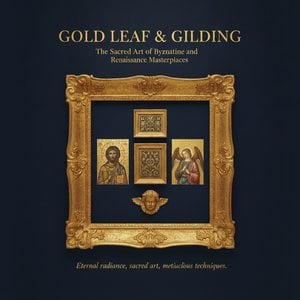
Explore the divine mastery of Byzantine gold leaf and gilding. Discover how ancient artisans used gold ground and mosaics to create celestial light, a timeless legacy of spiritual splendor and technical excellence in sacred art history.


最新の美術ニュース、限定オファー、そしてインテリアのアイデアをいち早くお届けします。
お客様のプロジェクトについてお聞かせください。当社の美術専門家が、お客様に合わせた3つのパーソナライズされた芸術提案をご提供いたします。
あなたにぴったりの3作品を無料で厳選いたします


 プレビュー
プレビュー
 プリントを購入
 シェアする
シェアする シェアする
シェアする
 詳細を見る
詳細を見る

 ダウンロード
 似ている作品
 X線調査
X線調査 スライドショー
 詳細を見る
詳細を見る









 ガラスオプションは、110cm未満のサイズでのみご利用いただけます。


