

 Oil On CanvasWallArtBaroque Revival
 1575Renaissance
 66.0 x 48.0 cm
 Hispanic Society Museum - Library
スピーディーな制作と多彩な仕上げオプションが魅力の、ミュージアムクオリティなジークレー・キャンバスプリント。 ( 手描きの複製画を注文する デジタル画像販売へ切り替え)





























作品のオリジナル比率に合わせた、当店の規定サイズからお選びください。

額縁や壁のスペースに合わせて、ご希望の幅と高さを入力してください。プリントはカットすることは可能ですが、元の画像より大きくすることはできないため、異なる比率のサイズを選択された場合は、画像の一部が欠けることになります。印刷を開始する前に、内容を確認していただくためのデジタルモックアップをお送りいたします。このページに表示されている画像は、実際のカット後の状態を示すものではありません。実際の仕上がりはモックアップにてご確認ください。
Pietà
複製画サイズ一覧
In the quiet intensity of 1575, Domenikos Theotokópoulos, known to history as El Greco, captured a moment that transcends the boundaries of mere religious iconography. His Pietà is not simply a depiction of biblical grief; it is a profound psychological landscape where the earthly and the divine collide. As we gaze upon the Virgin Mary cradling the lifeless body of Jesus, we are invited into a space where sorrow is transformed into something luminous and transcendent. This masterpiece stands as a monumental testament to Renaissance spirituality, filtered through the intensely personal and visionary lens of a Cretan master who would eventually redefine the trajectory of European art.
The painting serves as a hauntingly beautiful meditation on compassion and sacrifice. Unlike more literal interpretations of the Lamentation, El Greco’s vision focuses on the emotional resonance of the figures. The weight of Christ's body is felt not just through physical gravity, but through the spiritual heaviness that permeates the composition. For collectors and lovers of fine art, this piece offers a rare opportunity to possess a fragment of the Mannerist revolution—a period where the artist’s internal truth took precedence over the rigid anatomical accuracy of the High Renaissance.
To understand the impact of this work, one must look closely at El Greco’s deliberate departure from reality. Embracing the Mannerist style, the artist employs expressive distortions to communicate a heightened emotional state. Observe how the figures are subtly elongated, creating an ethereal presence that seems to float above the earthly realm. The drapery does not merely hang; it swirls with a dramatic, turbulent movement that mirrors the internal agony of the mourners. This is not a mistake of proportion, but a sophisticated stylistic choice designed to serve as a conduit for spiritual truth.
The technique behind this luminous surface is nothing short of miraculous. El Greco utilized painstaking layers of translucent glazes over an underpainting, a method that allows light to appear as if it is emanating from within the canvas itself. His palette, dominated by somber blues and deep reds, evokes the traditional colors of mourning and penitence. These pigments are applied with strategic precision, concentrating brilliance on key areas to guide the viewer's eye through the drama of the scene. For an interior designer, such a piece provides a sophisticated focal point, bringing a sense of historical depth and a quiet, contemplative energy to any curated space.
The historical context of the Pietà is deeply intertwined with El Greco’s own journey from the Byzantine traditions of Crete to the vibrant artistic hubs of Venice and Rome, finally settling in the spiritual heart of Toledo, Spain. This synthesis of influences—the meticulous detail of his Greek roots combined with the dramatic chiaroscuro of Italy—results in a work that feels both ancient and startlingly modern. The painting’s ability to evoke such profound empathy is why it remains a cornerstone of Christian iconography and a highly sought-after subject for high-quality reproductions.
When integrating a reproduction of this magnitude into a home or gallery, one is not merely adding decoration; one is introducing a narrative of resilience and grace. The Pietà invites the viewer to reflect on themes of maternal devotion and the enduring power of faith. It is a piece that demands attention through its subtle complexities, rewarding the observant eye with new layers of meaning upon every viewing. Whether placed in a sunlit study or a more formal setting, El Greco’s vision continues to captivate, offering an eternal window into the human soul.
Earthyの色調を考慮すると、「Pietà」はLiving Roomに最適です。
エル・グレコ作「Pietà」に関連する芸術運動はBaroque Revivalです。この分類により、本作は関連する他の芸術家や作品群の中に位置づけられます。
「Pietà」は、作品のX線解析ページにて、層ごとに詳しく観察することができます。このビューアは修復家のライトベンチに着想を得ており、画像の11層にわたる光学的な読み取りを可能にしています。

1541 - 1614 , ギリシャ

Explore the dramatic evolution of Northern Mannerism. Discover how masters like Bosch and Grünewald transitioned from Renaissance harmony to profound, elegant distortion through an expert analysis of symbolism, emotional intensity, and artistic innovation.

Unveil the captivating world of Mannerism. Our expert analysis explores the transition from Renaissance harmony to the profound, elegant distortions of masters like El Greco, offering deep insights into one of art history's most influential and enigmatic eras.
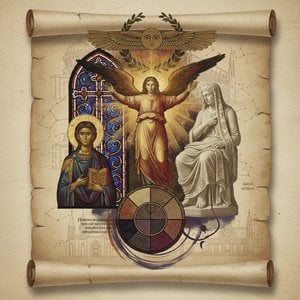
Explore the profound impact of spiritual themes in fine art. From Renaissance iconography to Baroque drama, discover how sacred symbolism and divine visions have shaped art history through a scholarly and reflective lens.

Embark on a profound journey through art history with our exploration of spiritual artworks. Discover the deep symbolism, emotional resonance, and transcendent power found in sacred Renaissance, Baroque, and Nabis masterpieces curated for the true classical art enthusiast.

 設置イメージを確認
 送る
送る シェア
シェア
 詳細情報
詳細情報 ガイドを表示

 画像をダウンロード
 似ている作品
 X線調査
X線調査 スライドショー
 統計情報
統計情報 続きを読む
続きを読む









 ガラスオプションは、110cm未満のサイズでのみご利用いただけます。


