

 キャンバスにアクリル絵具ウォールアートBaroque
 1595ルネサンス
 91.0 x 66.0 cm
 Szépművészeti Múzeum
スピーディーな制作と多彩な仕上げオプションが魅力の、ミュージアムクオリティなジークレー・キャンバスプリント。 ( 手描きの複製画を注文する デジタル画像販売へ切り替え)





























作品のオリジナル比率に合わせた、当店の規定サイズからお選びください。

特定のフレームやスペースに合わせて、ご自身でサイズを指定することも可能です。選択されたサイズが元の画像の比率と一致しない場合、作品をトリミングするか、鏡面反射または単色での塗りつぶしによって画像を拡張いたします。制作を開始する前に、ご確認用のデジタルモックアップをお送りいたします。
画面上のプレビューには、実際のトリミングや拡張は反映されませんのでご注意ください。最終的な構図を正確に確認できるのは、モックアップのみとなります。
カスタムサイズも承っておりますが、元の比率を維持するためには、あらかじめ用意されたリストからサイズを選択することをお勧めいたします。

Annunciation
複製画サイズ一覧
エル・グレコ作「Annunciation」には、緑から紫のスペクトルの色調が全体に広がっています。
「Annunciation」はエル・グレコによって制作されました。このページでは、エル・グレコのオリジナル作品についてご紹介しています。
エル・グレコは、1595年に「Annunciation」を制作した際、54歳でした。この年齢は、アーティストの誕生年である1541年から算出されています。
エル・グレコ作「Annunciation」の主色(メインカラー)はパテ色 (#d0cdd1)です。
「Annunciation」は1595年に制作されました。この制作年は、エル・グレコのキャリアおよびその時代の文脈において、本作を位置づけるものです。
エル・グレコ作「Annunciation」のプリントは、縦長の向きで特大のサイズに印刷することをお勧めします。
エル・グレコ作「Annunciation」に関連する芸術運動はBaroqueです。この分類により、本作は関連する他の芸術家や作品群の中に位置づけられます。

1541 - 1614 , ギリシャ
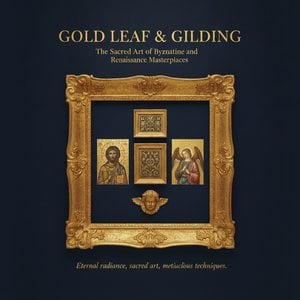
Explore the divine mastery of Byzantine gold leaf and gilding. Discover how ancient artisans used gold ground and mosaics to create celestial light, a timeless legacy of spiritual splendor and technical excellence in sacred art history.

Embark on a sophisticated exploration of Spanish art history, from the chiaroscuro mastery of Velázquez to the profound shadows of Goya. Discover how the dramatic light and emotional depth of Spain's greatest masters continue to inspire collectors and connoisseurs today.

Embark on a scholarly journey through the golden era of Byzantine art. Discover the profound symbolism, masterful mosaics, and imperial grandeur that defined an epoch of spiritual and aesthetic splendor in this expert-led guide for art enthusiasts.

Explore the profound drama of Spanish Baroque art. Delve into the mastery of light, shadow, and realism through the legendary works of Diego Velázquez and the Spanish Golden Age.

 設置イメージを確認
 送る
送る シェア
シェア
 詳細情報
詳細情報 ガイドを表示

 画像をダウンロード
 似ている作品
 X線調査
X線調査 スライドショー
 統計情報
統計情報 続きを読む
続きを読む









 ガラスオプションは、110cm未満のサイズでのみご利用いただけます。


