
迅速な制作と多彩な仕上げオプションを備えた、ミュージアムクオリティのジークレーまたはキャンバスプリント。 ( 手描きの絵画を購入 デジタル画像販売へ切り替え)
作品のオリジナル比率に合わせた、当店の規定サイズからお選びください。

特定のフレームやスペースに合わせて、ご自身でサイズを指定することも可能です。選択されたサイズが元の画像の比率と一致しない場合、作品をトリミングするか、鏡面反射または単色での塗りつぶしによって画像を拡張いたします。制作を開始する前に、ご確認用のデジタルモックアップをお送りいたします。
画面上のプレビューには、実際のトリミングや拡張は反映されませんのでご注意ください。最終的な構図を正確に確認できるのは、モックアップのみとなります。
カスタムサイズも承っておりますが、元の比率を維持するためには、あらかじめ用意されたリストからサイズを選択することをお勧めいたします。

Waste Paper Bags
複製画のサイズ
El Anatsui’s “Waste Paper Bags,” created between 2004 and 2010, is a breathtaking installation that transforms discarded materials into a shimmering spectacle. This work exemplifies the artist’s signature style of repurposing everyday objects—in this case, waste paper bags—into large-scale sculptures that challenge perceptions of value, consumption, and cultural identity. The photograph captures the artwork within a modern gallery setting, showcasing its impressive scale and textural complexity.
“Waste Paper Bags” firmly resides within the realm of contemporary art, specifically installation art and what is often referred to as "Junk Art" or “Recycled Art.” Anatsui’s technique involves meticulously stitching together thousands of aluminum printing plates (often mistaken for paper bags in initial observation) using copper wire. This process creates a fluid, textile-like surface that drapes and folds, resembling woven fabric more than the rigid material from which it is constructed. The artist draws inspiration from traditional Ghanaian kente cloth weaving techniques, imbuing his work with a sense of cultural heritage while simultaneously pushing the boundaries of artistic expression. The resulting forms are amorphous and irregular, defying conventional sculptural norms.
The choice of waste paper bags as the primary material carries profound symbolic weight. It serves as a powerful commentary on consumer culture, environmental concerns, and the sheer volume of discarded materials in modern society. Anatsui’s transformation of these seemingly worthless objects into something beautiful and monumental highlights the potential for beauty to emerge from unexpected sources. The shimmering quality of the aluminum, reflecting light in captivating ways, evokes a sense of awe and wonder. The scale of the installation is deliberately overwhelming, prompting viewers to contemplate their own relationship with consumption and waste. It’s not merely about recycling; it's about reimagining value and finding artistry within the discarded.
El Anatsui (born 1944) is a Ghanaian sculptor renowned for his innovative use of recycled materials, particularly aluminum bottle caps. His work gained international recognition in the early 2000s and has been exhibited in major museums worldwide. Anatsui’s practice often explores themes of trade, migration, and cultural exchange, reflecting his own experiences living and working between Ghana and Nigeria. “Waste Paper Bags,” like much of his oeuvre, challenges traditional notions of sculpture by embracing fluidity, impermanence, and the inherent beauty of repurposed materials. His inclusion in the 2023 Time 100 list further solidifies his position as a globally influential artist.


1944 - , Ghana
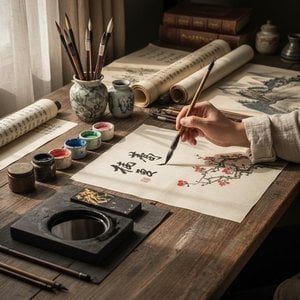
Embark on a sophisticated exploration of ink wash painting and Sumi-e. Uncover the profound historical lineages, Zen philosophies, and technical mastery behind this timeless medium in our authoritative guide for fine art enthusiasts.

Elevate your artistry with our expert guide to acrylic on paper. Master advanced techniques in texture, color theory, and layering to create professional-grade modern masterpieces. Perfect for art students seeking technical depth and creative excellence.

Elevate your artistic practice with our expert guide to mastering mixed media art. Discover professional techniques for layering, material integration, and creating structural depth to transform your creative vision into sophisticated, multi-dimensional masterpieces.


 プレビュー
プレビュー
 シェアする
シェアする シェアする
シェアする
 詳細を見る
詳細を見る

 ダウンロード
 似ている作品
 X線調査
X線調査 スライドショー
 統計情報
統計情報

 詳細を見る
詳細を見る






































 ガラスオプションは、110cm未満のサイズでのみご利用いただけます。


