x
作品のオリジナル比率に合わせた、当店の規定サイズからお選びください。
特定のフレームやスペースに合わせて、ご希望のサイズをご入力いただけます。選択されたサイズが元の画像の比率と異なる場合、アートワークをトリミングするか、手描きで要素を追加して絵画を拡張いたします。デジタルモックアップ を制作し、制作開始前にご確認(承認)をいただきます。
画面上のプレビューは、実際のトリミングや拡張を正確に反映しているものではありません。最終的な構図は、モックアップによってのみ正確にご確認いただけます。
カスタムサイズもご利用いただけますが、元の比率を維持するためには、あらかじめ用意されたリストからサイズを選択することをお勧めいたします。
untitled (9944)
複製画のサイズ
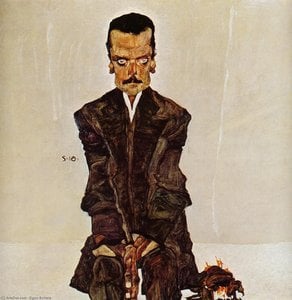
Egon Schiele's "Untitled (9944)," a strikingly intimate drawing, isn’t merely a depiction of the human form; it’s a profound exploration of vulnerability, introspection, and the unsettling beauty of mortality. Created during a turbulent period in his life – 1918, just before his untimely death – this work embodies the core tenets of Austrian Expressionism, showcasing Schiele's signature style characterized by intensely rendered lines, a muted yet emotionally charged palette, and an unnerving honesty that pierces through the surface to reveal a deeply troubled psyche. The drawing’s power lies not in idealized beauty but in its raw, almost brutal realism, capturing a moment of quiet contemplation within a figure grappling with unseen anxieties.
The subject is a nude female form, reclining in a pose that suggests both surrender and resistance. Her body, rendered with meticulous detail through cross-hatching and stippling – techniques that build texture and volume – feels simultaneously fragile and resilient. The lines themselves are not smooth or flowing; they’re sharp, angular, almost aggressive, mirroring the emotional intensity of the scene. The figure's gaze is downward, lost in thought, creating a sense of isolation and inviting the viewer to share in her silent struggle. There’s an undeniable tension between vulnerability and strength, a quiet defiance that elevates the piece beyond a simple nude study.
Schiele's technical prowess is immediately apparent in "Untitled (9944)." He masterfully employs line to define form, creating an illusion of three-dimensionality despite the drawing’s two-dimensional nature. The use of shading isn’t subtle; it’s bold and dramatic, emphasizing musculature and contours with a deliberate intensity. Notice how the darker tones are concentrated in the shadows, adding depth and volume while simultaneously contributing to the overall sense of unease. The monochromatic color scheme – primarily browns and ochres – further enhances this effect, lending the drawing a vintage quality that feels both timeless and deeply personal.
The technique itself suggests a deliberate process of observation and translation. Schiele wasn’t simply sketching; he was dissecting the human form, analyzing its structure and expressing it through his unique visual language. The layering of lines, the careful manipulation of light and shadow – all contribute to a sense of meticulous control tempered by an underlying emotional urgency. It's a testament to his ability to convey complex psychological states through purely formal means.
To understand “Untitled (9944)” fully, it’s crucial to consider the context in which Schiele was creating it – a period marked by personal tragedy and artistic experimentation. His father's death from syphilis, coupled with his sister Elvira’s early demise, cast a long shadow over his life and work. These experiences fueled an obsession with mortality, illness, and the fragility of human existence—themes that permeate much of his oeuvre. The drawing can be interpreted as a meditation on these anxieties, a visual representation of the internal struggles he faced.
Symbolism subtly underscores the piece’s emotional weight. The reclining pose itself is laden with meaning – suggesting both vulnerability and acceptance. The downward gaze hints at introspection and perhaps even despair. The overall composition evokes a sense of isolation, reinforcing the feeling that the figure is grappling with something profound and deeply personal. It's not an overt or didactic symbolism; rather, it’s a quiet, understated resonance that invites contemplation and interpretation.
Egon Schiele’s “Untitled (9944)” is more than just a drawing; it's a poignant window into the soul of a tormented genius. Its raw honesty, technical brilliance, and subtle symbolism continue to resonate with viewers today. Reproductions of this powerful work offer a unique opportunity to experience the intensity of Schiele’s vision firsthand, bringing his deeply personal exploration of human vulnerability and mortality into your own space.
Consider incorporating this piece – or a high-quality reproduction – into your interior design scheme to create an atmosphere of thoughtful contemplation. Its evocative power can serve as a reminder of the complexities of the human experience and the enduring beauty found within moments of quiet introspection.
1890 - 1918 , オーストリア
お客様のプロジェクトについてお聞かせください。当社の美術専門家が、お客様に合わせた3つのパーソナライズされた芸術提案をご提供いたします。
あなたにぴったりの3作品を無料で厳選いたします