スピーディーな制作と多彩な仕上げオプションが魅力の、ミュージアムクオリティなジークレー・キャンバスプリント。 ( 手描き複製画を注文する デジタル画像販売へ切り替え)





























作品のオリジナル比率に合わせた、当店の規定サイズからお選びください。

額縁や壁のスペースに合わせて、ご希望の幅と高さを入力してください。プリントはカットすることは可能ですが、元の画像より大きくすることはできないため、異なる比率のサイズを選択された場合は、画像の一部が欠けることになります。印刷を開始する前に、内容を確認していただくためのデジタルモックアップをお送りいたします。このページに表示されている画像は、実際のカット後の状態を示すものではありません。実際の仕上がりはモックアップにてご確認ください。
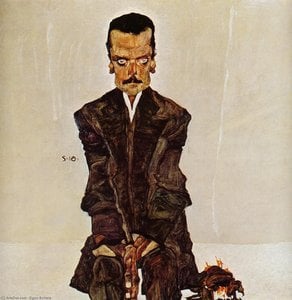
untitled (1348)
複製画サイズ一覧
In the hauntingly beautiful monochrome sketch untitled (1348), Egon Schiele invites us into a profound confrontation with the human psyche. Created around 1918, during the twilight of his tragically short life and amidst the global upheaval of the First World War, this work serves as a visceral window into the soul. The subject—a solitary male figure—is captured in a moment of piercing intensity. His gaze does not merely observe the viewer; it pierces through the surface of the paper, demanding an emotional reckoning. There is an unsettling intimacy in the way Schiele positions the head and shoulders, forcing us to meet an expression that oscillates between profound vulnerability and a defiant, almost confrontational, strength.
The power of this piece lies in its masterful use of Expressionist technique, where the artist deliberately rejects the polished perfection of academic realism to prioritize raw, psychological truth. Schiele’s hand is visible in every jagged, angular line that defines the contours of the face and torso. Through a sophisticated application of hatching and cross-hatching, he creates depth and shadow without the need for color, using only the stark contrast of black and gray against a stark white void. These energetic, gestural marks do more than delineate form; they vibrate with a nervous energy, mirroring the internal tremors of anxiety and existential dread that characterized much of Schiele’s oeuvre.
Beyond its technical brilliance, untitled (1348) is a masterclass in symbolic minimalism. By stripping away the distractions of color, Schiele isolates the essential elements of human suffering and resilience. The monochromatic palette serves to amplify the dramatic impact of the composition, turning the artwork into a study of light and shadow that feels both timeless and immediate. The organic, often distorted shapes of the figure reflect the artist's preoccupation with the fragility of life—a theme deeply rooted in his personal history of loss and the broader cultural anxieties of early twentieth-century Vienna.
For the discerning collector or interior designer, this artwork offers a sophisticated focal point that commands attention through its quiet intensity. It is a piece that does not merely decorate a space but transforms it, providing a contemplative anchor for rooms designed for introspection and intellectual depth. Whether displayed in a modern gallery setting or as a striking element within a curated residential collection, Schiele’s work brings an unparalleled sense of historical gravity and emotional complexity. To possess a reproduction of such a seminal work is to hold a fragment of the Expressionist revolution, capturing that fleeting, beautiful moment where art transcends representation to become pure feeling.
エゴン・シーレ作「untitled (1348)」に描かれているテーマには、psychological portrait, expressionism, anxiety, sexuality, distortion, charcoal drawing, vulnerabilityなどがあります。これらが合わさることで、本作の主題を構成しています。
「untitled (1348)」の彩度はMuted、色の強度はMonochromaticです。
エゴン・シーレ作「untitled (1348)」 の人気度は Iconic です。この分類は、その作品がどの程度広く知られているかを表しています。

オーストリアの下部ウィーン州に位置するトゥルンは、エゴン・シーレの物語が幕を開ける場所である。1890年6月12日に生を受けた彼は、オーストリア=ハンガリー帝国の厳格な社会構造が支配する世界へと足を踏み入れた。父アドルフ・シーレはオーストリア連邦鉄道の駅長として地元の駅を切り盛りし、母マリーは旧姓ソクープとして知られていた。家族という枠組みの中で、エゴンは三人の姉妹、エルヴィラ、メラニー、そしてガートルデと共に成長していく。
しかし、この平穏な家庭生活は、早すぎる時期に崩壊の兆しを見せる。病の影が家庭を覆い、若き芸術家の精神に消えることのない傷跡を刻み込んでいった。これらの個人的な喪失は、単なる過去の出来事として過ぎ去ることはなかった。それは彼の後の作品の髄にまで深く浸透していくことになる。彼は、死という避けられぬ運命に対する鋭敏な感受性を抱えたまま世界を歩み、それが後にオーストリア表現主義における彼の地位を決定づけることになる。彼の存在そのものが、内なる葛藤をキャンバスの表面へと翻訳しようとする、果てしない闘いとなったのである。
彼の歩みは、変容し続けるヨーロッパの情勢の渦中へと彼を導いていく。伝統的なアカデミズムの規範と、剥き出しの心理的真実を求める切実な衝動との間で、彼は激しく揺れ動く。エゴン・シーレの人生とは、人間という存在の本質との、激しく、時に痛みを伴う対峙の連続であった。彼は、世界を目に見える通りに写し取ろうとしたのではない。神経系の中で震える、生々しい感覚を描き出そうとしたのである。
エゴン・シーレの幼少期における平穏は、1904年に突如として崩れ去ります。駅長を務めていた父アドルフ・シーレが、梅毒によってこの世を去ったのです。トリエステでの新婚旅行中に感染したとされるその病は、家族を困窮へと突き落としただけでなく、若き芸術家の精神に、父の混乱と怒りという深い影を刻み込みました。エゴンは、義理の叔父であるレオポルド・チハチェックの保護のもと、三人の姉、エルヴィラ、メラニー、ゲルトルートと共に育ちます。こうした激動の歳月の中でさえ、彼が抱き続けた鉄道への情熱は消えることはなく、そのモチーフは後に彼の作品の中に静かに、しかし確かに姿を現すことになります。
彼の芸術的な歩みは、家庭教師ルートヴィヒ・カール・シュトラウフの指導のもとで始まります。1906年、シーレはさらなる研鑽を求めてウィーンへと渡り、美術アカデミー(Akademie der bildenden Künste)への入学を果たします。しかし、そこにあるのは極めて保守的で厳格な空気でした。彼は、クリスチャン・グリーペンケル教授による超保守的な教授法に対し、次第に強い違和感を抱くようになります。その摩擦は、やがて無視できないものとなり、厳格なアカデミズムの伝統の中で三年の歳月を過ごした後、エゴン・シーレは自らの道を切り拓くためにアカデミーを去り、独立した芸術家としての歩みを始める決意を固めるのでした。
彼の運命を決定づける大きな転換点は、グスタフ・クリムトとの出会いでした。既に高名な芸術家であったクリムトは、若き画家にとってのメンターとなり、モデルを紹介し、彼をウィーン分離派の社交界へと導いていきます。この出会いこそが、伝統との葛藤に身を焦がす一人の学生を、新興アヴァンギャルドの中心人物へと変貌させる決定的な契機となったのです。
ウィーンは、エゴン・シーレの創造的な葛藤が渦巻く中心地となりました。彼は街の芸術界を渡り歩き、やがてグスタフ・クリムトとの出会いを果たします。この邂逅は、彼の芸術的軌道における決定的な転換点となりました。師であるクリムトの影響を吸収しながらも、シーレは単にウィーン分離派の装飾的な様式を模倣することに留まりませんでした。むしろ、彼はあえて装飾を削ぎ落とし、より本能的で剥き出しの真実を追い求めたのです。1909年までには、既存の秩序に真っ向から挑むべく、「新ウィーン芸術集団」や「新芸術集団」の共同設立に奔走します。これらの動きは、彼が伝統という枠組みから決別したことを雄弁に物語っています。
都市の喧騒と静かな郊外の間を、絶えず揺れ動くような彼の足跡は、ウィーン、クレムス、クロスターノイブルク、ノイレンバッハ、そしてプラハへと広がっていきました。この地理的な広がりは、彼の精神的な拡張とも重なり合っています。初期の修行時代における形式的な制約から解き放たれた彼の芸術は、人間のありのままの姿を、無防備なまでに深く探求する方向へと進化していきました。進化し続けるスケッチや構図の端々には、当時の時代が孕んでいた緊張感が鮮烈に刻み込まれています。
エゴン・シーレのヴィジョンを突き動かす原動力は、その「線」にあります。彼の描く線は、単に形態を縁取るための道具ではありません。それは、神経質で落ち着きのないエネルギーを孕み、まるで震えているかのように躍動しています。彼は表現力豊かな線を用いることで、人間の内面に潜む心理的な緊張を鮮明に描き出し、それがしばしば、ねじ曲がったポーズや歪んだ身体の形となって現れます。描かれる人物たちは引き伸ばされたように見え、その肢体は不安感を伝えるために自然な比率を超えて長く、あるいは歪んで描かれています。これは解剖学的な完璧さを追求するものではなく、対象の精神状態を剥き出しにしようとする試みなのです。肌の色調は、しばしば痩せこけたようであったり、病的な色合いを帯びていたりしますが、それは人間の脆さや肉体的な脆弱性を強調するためなのです。
媒体によって技法は異なりますが、そこに込められた強烈な熱量は常に変わりません。水彩画においては、ゆったりとした色彩のウォッシュ(ぼかし)を駆使して奥行きと情緒を生み出し、しばしば紙面の多くを空白のまま残すことで、孤独感をより一層際立たせています。一方で、キャンバスに油彩で描く際には、素描に見られるような、鋭く切迫した筆致がそのまま反映されます。また、二次元の平面を超えて、彼は彫刻という形でも造形を探求しました。粘土や石膏を用い、人間の存在が持つ重みを捉えようと試みたのです。
エゴン・シーレにとって、キャンバスは心理的な深層を掘り下げるための探求の場でした。彼は、死、性、不安、そして孤独という、逃れようのない重苦しい存在に対し、一切の虚飾を排した誠実さをもって立ち向かいます。1915年に生み出された死と乙女は、死の予感とエロスが交錯する象徴的な作品です。そこに描かれた人物たちは、張り詰めた緊張感の中に存在しており、彼の芸術観を形作る内面的な葛藤を鮮烈に反映しています。彼はしばしば、目に見えない精神の状態を写し出すために人体へと回帰し、肉体を存在の複雑さを盛るための器として用いるのです。
また、自画像は彼にとって、自己の内面を覗き込むための繰り返される内省の手法でもありました。彼は決して洗練された美しさを提示しようとはせず、むしろ歪んだポーズや痩せこけた姿を通じて、剥き出しの脆弱性を描き出します。ホオズキのある自画像において、彼はホオズキを反復されるモチーフとして用いています。その繊細で紙のような外皮を持つ植物は、無常観と生命の儚さを象徴しています。この植物という要素は、腐敗への執着や、人間という存在の移ろいやすさに対する彼の深い思索を、より確かなものとして繋ぎ止めているのです。
彼の親密な人間関係もまた、その作品世界に深く刻み込まれています。1915年、彼はエディス・シーレの肖像を描き、自身の独特な表現言語を用いて妻の姿を捉えました。彼の描く主題が静止していることは稀であり、それらは常に、当時の社会や心理的な変容を映し出すかのような、神経質なエネルギーを孕んで脈動しています。以下の作品群は、彼がこれらのテーマを探求する上で極めて重要な到達点を示しています。
第一次世界大戦の足音が近づくにつれ、エゴン・シーレの人生の風景は大きく変容していきます。彼はエディス・ハームスと結婚し、その結びつきは彼の人生における重要な転換点となりました。しかし、結婚生活の平穏は、戦争という抗いようのない奔流によって瞬く間に打ち砕かれます。彼は兵役へと召集され、戦争の混沌が渦巻く時代の中に身を投じることとなったのです。
その終焉は、あまりにも唐突で、生物学的な残酷さを伴って訪れました。1918年、スペイン風邪のパンデミックがウィーンを襲います。このウイルスは、わずか28歳という若さでシーレの命を奪いました。1918年10月31日、彼はこの世を去ります。その死は、同じ病に倒れた妻エディスの死から間もないことでした。崩壊しゆく世界の緊張感を、その筆致に刻み込んだ芸術家の生涯は、あまりにも唐突に、そして劇的に幕を閉じたのです。
20世紀初頭、エゴン・シーレはオーストリア表現主義を牽引する旗手としてその名を刻みました。装飾的な黄金美を誇ったウィーン分離派の様式から脱却し、より本能的で心理的な人間形態の探求へと向かった彼の歩みは、具象絵画の軌跡を根本から変えてしまったのです。彼は表面的な美を削ぎ落とし、神経系を写し取るかのように、鋭く、そして落ち着きのない線を用いて、不安や欲望の震えを捉えようと試みました。理想化された美ではなく、内なる精神の風景に焦点を当てたその姿勢は、彼をこの時代を代表する重要な具象画家たらしめたのです。
彼の作品が放つ衝撃は、ウィーンという都市の境界を遥かに越えて広がっています。後世の芸術家たち、とりわけ人間の精神が持つ暗部や複雑な層に惹かれる表現者たちは、彼の徹底した誠実さに先駆的なモデルを見出しました。個人的なトラウマや実存的な緊張を、普遍的な視覚言語へと昇華させた彼の能力は、現代美術の言説における彼の存在を揺るぎないものにしています。今日、彼の絵画は世界中の主要な美術館に収蔵され、激動の時代における心理的変容を伝える不可欠な記録として、大切に守り伝えられています。
エゴン・シーレが遺した作品の重厚な響きを、最も強く感じることができるのはウィーンでしょう。レオポルド美術館には、彼のスケッチや絵画が持つ剥き出しのエネルギーが保存されており、膨大な数の作品が収蔵されています。また、そのすぐ近くにあるオーストリア国立ベルヴェデーレ美術館には、死と乙女(1915年)をはじめとする重要なキャンバス画が鎮座しています。さらに、ウィーンの文化的な重鎮である美術史美術館やアルベルティーナ美術館も、彼の芸術的遺産を次世代へと守り続けており、その作品群には欠かせない傑作が数多く含まれています。
オーストリアの首都を離れ、チェコ共和国のチェスキー・クルムロフに目を向けると、エゴン・シーレ・アート・センターが彼の芸術に特化した空間を提供しています。この美術館では、水彩画やインク画を含む常設コレクションを通じて、彼の芸術的進化の軌跡を辿ることができます。表現主義的な様式がどのように研ぎ澄まされていったのか、その独特で強烈な線の躍動を、この静謐な環境の中で間近に感じることができるでしょう。

1890 - 1918 , オーストリア

Immerse yourself in the raw emotion of Egon Schiele. Explore 25 iconic Expressionist masterpieces, from haunting self-portraits to profound sketches. Find museum-quality art reproductions and curated decor inspiration. Discover all masterpieces on WahooArt.com.

Explore the profound artistry of black and white photography. From historical mastery to the interplay of light and shadow, discover how monochrome captures timeless emotion and form through a sophisticated lens of art history.

Immerse yourself in the profound emotion of Abstract Expressionism. Explore our curated guide to the top 25 Mark Rothko masterpieces, from iconic color field paintings to museum-quality reproductions for your decor. Discover all masterpieces on WahooArt.com.

Immerse yourself in the visceral world of Francis Bacon. Explore 25 iconic masterpieces, from distorted figures to haunting portraits. Discover the stories behind these expressionist legends and find museum-quality art reproductions for your collection at WahooArt.com.
 設置イメージを表示
 シェアする
シェアする シェアする
シェアする
 詳細を見る
詳細を見る ガイドを表示

 ダウンロード
 似ている作品
 X線調査
X線調査 スライドショーを表示
 Q&A
Q&A
 統計情報
統計情報

 詳細を表示
詳細を表示









 ガラスオプションは、110cm未満のサイズでのみご利用いただけます。