

 Oil On CanvasWallArtBaroque Dutch Painting
 1665
1665 38.0 x 28.0 cm
 メトロポリタン美術館
迅速な制作と多彩な仕上げオプションを備えた、ミュージアムクオリティのジークレーまたはキャンバスプリント。 ( 手描きの絵画を購入 Switch to Digital Image)





























作品のオリジナル比率に合わせた、当店の規定サイズからお選びください。

特定のフレームやスペースに合わせて、ご自身でサイズを指定することも可能です。選択されたサイズが元の画像の比率と一致しない場合、作品をトリミングするか、鏡面反射または単色での塗りつぶしによって画像を拡張いたします。制作を開始する前に、ご確認用のデジタルモックアップをお送りいたします。
画面上のプレビューには、実際のトリミングや拡張は反映されませんのでご注意ください。最終的な構図を正確に確認できるのは、モックアップのみとなります。
カスタムサイズも承っておりますが、元の比率を維持するためには、あらかじめ用意されたリストからサイズを選択することをお勧めいたします。

The Reader
複製画のサイズ
Eglon van der Neer’s “The Reader,” painted in 1665, is more than just a portrait; it's a carefully constructed tableau of intellectual pursuit and subtle domesticity. This exquisite work, now housed within the Metropolitan Museum of Art, offers a glimpse into the refined world of Dutch society during the mid-seventeenth century – an era defined by burgeoning literacy, philosophical inquiry, and a growing appreciation for the arts.
The central figure is a young woman, elegantly dressed in a dark gown accented with vibrant red trim. Her posture suggests deep engagement; she’s absorbed in a book held open before her, a quill pen and inkwell resting on a nearby table as if poised to capture her thoughts. The room itself is deliberately muted – dark walls provide a dramatic backdrop that emphasizes the woman's attire and the objects surrounding her. A closed window hints at an interior setting, fostering a sense of intimacy and quiet concentration. Van der Neer masterfully employs chiaroscuro, utilizing subtle shifts in light and shadow to sculpt the forms and create a palpable atmosphere of contemplative stillness.
Van der Neer’s style is firmly rooted in the traditions of Dutch genre painting, yet he possesses a distinctive elegance that sets him apart. He was heavily influenced by Gabriel Metsu and Pieter de Hooch, known for their intimate scenes of domestic life and their meticulous attention to detail. However, unlike his contemporaries, Van der Neer frequently incorporated elements of vanitas – symbols representing the transience of earthly pleasures and the inevitability of death. The extinguished candle on the table is a prime example, serving as a poignant reminder of mortality within this otherwise serene scene.
The painting’s composition is remarkably balanced, drawing the eye to the central figure while subtly incorporating secondary elements that enrich the narrative. The arrangement of objects – the book, the quill, the inkwell – speaks volumes about the woman's intellectual pursuits and her connection to the world of learning. Van der Neer’s skill lies in his ability to convey a sense of depth and atmosphere through seemingly simple details, creating an image that is both visually arresting and emotionally resonant.
“The Reader” is laden with symbolic meaning. The book itself represents knowledge, wisdom, and the transformative power of learning. The open pages suggest a moment of discovery or contemplation – perhaps she’s delving into an emblem book, a popular form of illustrated instruction that combined moral lessons with visual imagery. The red trim on her gown could symbolize passion or virtue, while the dark clothing reflects a sense of seriousness and intellectual dedication.
The muted color palette contributes to the painting's overall mood of quiet introspection. Van der Neer’s use of browns, grays, and blacks creates a sense of depth and atmosphere, drawing the viewer into the scene and inviting them to share in the woman’s contemplative state. The closed window further isolates her, emphasizing her solitary pursuit of knowledge.
“The Reader” is a testament to Eglon van der Neer's artistic skill and his ability to capture the essence of human experience. It’s a painting that transcends its historical context, offering a timeless meditation on the pursuit of knowledge, the beauty of quiet contemplation, and the enduring allure of the written word. Reproductions of this captivating work continue to resonate with viewers today, reminding us of the power of art to transport us to another time and place, and to evoke profound emotions within our own hearts.


1635 - 1703 , オランダ

Explore the dramatic mastery of the Dutch Baroque era. Discover how masters like Rembrandt used chiaroscuro to transform everyday life into timeless art. An expert guide for collectors and enthusiasts seeking to understand the profound interplay of light and shadow.

オランダ黄金時代の10大傑作を紐解く!レンブラント、フェルメール…バロック絵画の魅力と時代背景を深く探求。WahooArtで、至高のアートコレクションと空間演出のヒントを見つけよう。高品質なアートプリントで、お部屋を華やかに。
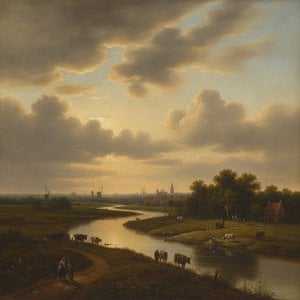
Discover the breathtaking beauty of Dutch Golden Age landscapes. Explore the mastery of light, chiaroscuro, and 17th-century realism through an expert art history lens, celebrating the enduring legacy of the Dutch Masters for discerning collectors and art lovers.

Explore the profound connection between the Dutch Republic's global trade empire and its unparalleled artistic achievements. Discover how 17th-century masters transformed everyday life into timeless masterpieces through light, realism, and unmatched technical brilliance.

Journey through the Golden Age with our guide to the Top 10 Dutch Baroque masterpieces! Explore iconic paintings by Rembrandt, Vermeer & Frans Hals. Find museum-quality art reproductions and elevate your home decor at WahooArt.com.

 プレビュー
プレビュー
 シェアする
シェアする シェアする
シェアする
 詳細を見る
詳細を見る

 ダウンロード
 似ている作品
 X線調査
X線調査 スライドショー
 Stats
Stats 詳細を見る
詳細を見る









 ガラスオプションは、110cm未満のサイズでのみご利用いただけます。


