
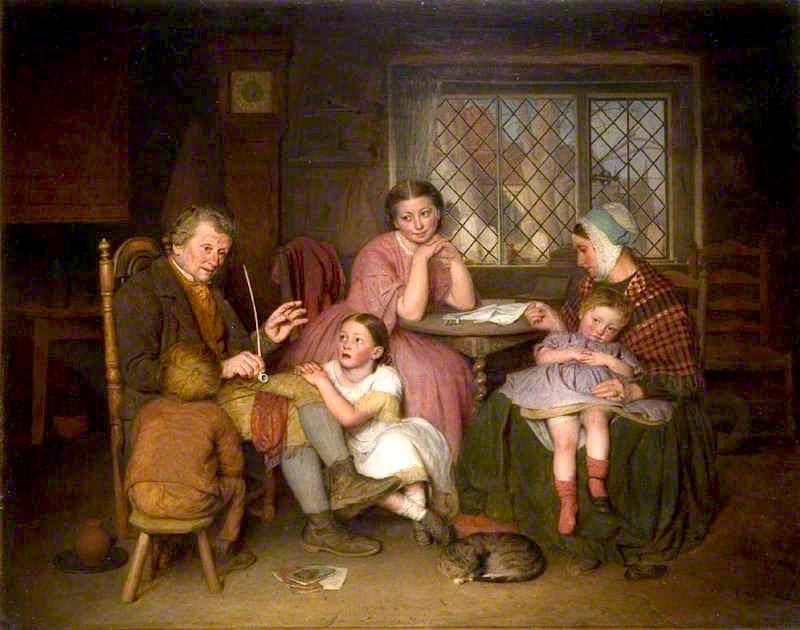
 1860
1860 46.0 x 57.0 cm
オンラインプレビューをはるかに凌ぐ、高解像度で鮮明なデジタル画像をご購入いただけます。
各ファイルは、社内の専門家が高度なツールと熟練した手作業によるレタッチを駆使し、細心の注意を払って仕上げています。すべての画像において、卓越した鮮明度、正確な色彩再現性、そして繊細なディテールをお約束いたします。
最終ファイルは、プロフェッショナルな編集・印刷環境ですぐにご利用いただけるよう最適化された状態で、72時間以内にメールにてお届けいたします。これは、一流のデザインスタジオ、出版社、ギャラリーから信頼されているものと同等の品質です。
個人での鑑賞、印刷、クリエイティブなプロジェクトにご利用いただける高解像度ファイルをダウンロードできます。 ( プリント版に切り替え 手描きの複製画を注文する)
WahooArt.com を選ぶことは、単に画像を手に入れることではありません。プロの手によって精密に仕上げられ、満足保証が付いた高品質なデジタルアートワークを受け取ることを意味します。ご注文いただいた際に自動的に付随する内容は、以下の通りです:

ご注文から72時間以内に、高解像度のデジタル画像ファイルをメールでお送りいたします。お手元に届き次第、すぐにご利用いただけます。

お客様の作品は、高度なAI技術と専門家による手作業を組み合わせてプロフェッショナルに最適化されており、細部のディテール、鮮明さ、そして正確な色再現性を最大限に引き出しています。

ファイルを誤って削除したり、紛失してしまったりしましたか?ご安心ください。いつでも無料で再送いたします。

関税や手数料、配送料を気にすることなく、お気に入りのアートワークをすぐにお楽しみいただけます。デジタルダウンロードは常に免税です。

プロ仕様のツールとカラーマネジメント技術を用いることで、デジタル画像が元の色を最大限に忠実に再現することを保証いたします。

ご購入いただいたデジタル画像にご満足いただけない場合は、100日以内であれば、理由を問わず修正または100%の返金対応をさせていただきます。

ご満足いただけない場合は、デジタルファイルを受け取ってから100日以内であれば、理由を問わず全額返金いたします。

3枚購入で10%OFF、5枚購入で15%OFF、10枚以上のご購入で20%OFF。クリエイティブなプロジェクトやギャラリー、エージェンシーに最適です。

In the quiet corners of Victorian England, where the soft light of the Midlands often bathed domestic life in a nostalgic glow, the works of Edward Thomson Davis (1833–1867) emerged as poignant windows into a vanishing era. A British genre painter of remarkable sensitivity, Davis possessed an uncanny ability to elevate the mundane to the monumental. Though his life was tragically brief, spanning only thirty-four years, his artistic legacy is defined by a profound empathy for the human condition and a meticulous devotion to the subtle textures of everyday existence. Born at Northwick, near Worcester, his early years were steeped in the rich artistic traditions of the Worcestershire milieu, an environment that nurtured his burgeoning talent and instilled in him a lifelong reverence for the beauty found in simplicity.
Davis’s formal training was as disciplined as it was inspiring. He honed his craft at the Birmingham School of Design and subsequently the Worcester School of Design, where he developed a technical prowess that allowed him to master the interplay of light and shadow. It was during this formative period that he collaborated with his fellow student, Benjamin Williams Leader, on the notable piece A View of Frog Lane (1854). This early work serves as a testament to his burgeoning skill in capturing the atmospheric nuances of the English landscape, a precursor to the intimate domesticity that would become his hallmark. His development was further enriched by travels through the Netherlands and a transformative journey to Rome in 1866, experiences that broadened his visual vocabulary and infused his compositions with a more sophisticated sense of light and space.
While many of his contemporaries sought glory in grand historical narratives or heroic mythological subjects, Davis turned his gaze inward, toward the hearth and the home. His oeuvre is characterized by an unwavering dedication to capturing the quiet dignity of ordinary individuals. He found profound meaning in the rhythmic patterns of domesticity: a mother’s tender care for her child, the focused stillness of a woman preparing a meal, or the spontaneous joy of young girls at play. Through these scenes, Davis practiced a form of visual humanism, prioritizing emotional resonance and subtle gesture over dramatic spectacle. His paintings do not merely depict subjects; they invite the viewer into a shared moment of quiet reflection.
The technical execution of his work further enhances this sense of intimacy. Davis utilized a delicate touch to render textures—the softness of fabric, the warmth of skin, and the gentle play of sunlight through a window—creating a tactile reality that feels both immediate and timeless. His ability to convey complex emotions through minute facial expressions and understated postures is perhaps most evident in works such as Studies of a Child and Two Women, currently held in the prestigious collection of the Tate Gallery. This piece exemplifies his exceptional draughtsmanship and his capacity to imbue even the simplest arrangement of figures with a deep, soulful narrative.
The trajectory of Davis’s career was tragically cut short by a cholera outbreak in Rome in 1867, leaving behind a remarkably small but intensely focused body of work. Approximately twenty paintings were exhibited at the Royal Academy during his active years between 1854 and 1867, yet each canvas carries a weight of intention that belies its size. His contributions to the genre painting tradition are preserved in several esteemed institutions, ensuring that his delicate observations of Victorian life continue to resonate with modern audiences.
Today, the significance of Edward Thomson Davis lies in his role as a chronicler of the quiet moments that define human existence. His work serves as a vital historical record of 19th-century social nuances, but more importantly, it remains an emotional touchstone. To view a Davis painting is to experience a sense of peace and a renewed appreciation for the beauty inherent in the unremarkable. His artistic journey, though brief, left an indelible mark on the landscape of British art, reminding us that true mastery often resides in the ability to see the extraordinary within the ordinary.

 設置イメージを確認
 送る
送る シェア
シェア
 詳細情報
詳細情報 ガイドを表示

 画像をダウンロード
 似ている作品
 X線調査
X線調査 スライドショー
 統計情報
統計情報 続きを読む
続きを読む


