

当社のアーティストが、お客様のご希望のサイズと額縁に合わせて、キャンバスに手描きで制作する油彩画です。 ( プリント版に切り替え デジタル画像販売へ切り替え)





























作品のオリジナル比率に合わせた、当店の規定サイズからお選びください。

特定のフレームやスペースに合わせて、ご希望のサイズをご入力いただけます。選択されたサイズが元の画像の比率と異なる場合、アートワークをトリミングするか、手描きで要素を追加して絵画を拡張いたします。デジタルモックアップ を制作し、制作開始前にご確認(承認)をいただきます。
画面上のプレビューは、実際のトリミングや拡張を正確に反映しているものではありません。最終的な構図は、モックアップによってのみ正確にご確認いただけます。
カスタムサイズもご利用いただけますが、元の比率を維持するためには、あらかじめ用意されたリストからサイズを選択することをお勧めいたします。

sun empty room
複製画サイズ一覧
Edward Hopper's "Sun in an Empty Room," painted in 1963, isn’t merely a depiction of a vacant room; it’s a distilled essence of modern American isolation and the quiet contemplation that often underlies our daily lives. Created during his late period at his Cape Cod studio, this painting—a deceptively simple composition—holds within it layers of psychological depth and masterful use of light, solidifying its place as one of Hopper's most enduringly poignant works. It’s a scene stripped bare, yet brimming with unspoken narratives, inviting the viewer to project their own experiences onto its stark geometry.
Hopper, famously reticent about interpreting his art, often suggested that his paintings simultaneously held unintended, unconscious ideas alongside deliberate expressions of his personal vision. Critics and scholars have long debated the painting’s meaning, with interpretations ranging from a meditation on loneliness to a reflection on the transient nature of domesticity. However, at its core, “Sun in an Empty Room” speaks powerfully to the human condition—the feeling of being present yet detached, observing life without fully participating.
Hopper’s genius lay not just in his ability to capture a scene but in his manipulation of light. In “Sun in an Empty Room,” sunlight streams through a window on the right side of the room, casting long, dramatic shadows across the walls and floor. This isn't a warm, inviting illumination; it’s a cool, almost clinical light that emphasizes the emptiness and stillness of the space. The trapezoidal shape of the light itself is particularly striking—a geometric element within an otherwise realistic scene, subtly disrupting our perception and drawing attention to the painting’s formal structure.
Notice how Hopper uses shadow to define form. The shadows aren't simply dark patches; they are carefully rendered, creating a sense of volume and depth. This technique, combined with his precise observation of light and its effects, is characteristic of Hopper’s mature style—a deliberate rejection of Impressionistic brushwork in favor of a more controlled, almost photographic realism. The leaves visible through the window further contribute to this interplay of light and shadow, grounding the scene in a tangible reality while simultaneously hinting at an outside world beyond the room's confines.
Despite its apparent simplicity, “Sun in an Empty Room” is rich with symbolic potential. The two doors—one visible, one implied—suggest possibilities and transitions, yet also reinforce the sense of isolation. The room itself feels like a stage set for a play that will never begin. There’s no furniture, no personal belongings, nothing to suggest the identity or history of its occupant. This deliberate lack of detail forces us to confront our own assumptions about what constitutes a “home” and what it means to be alone.
The painting's creation coincided with Hopper’s late period, a time when he was increasingly interested in exploring themes of solitude and the human condition. He had previously considered representing a scene with no observer—a radical concept at the time—and this idea clearly informed his approach to “Sun in an Empty Room.” The absence of a figure isn't simply a technical choice; it’s a profound statement about the nature of perception and the experience of being alone.
WahooArt offers meticulously crafted, hand-painted reproductions of “Sun in an Empty Room” that capture the essence of Hopper's masterpiece. Whether you’re an art collector seeking a piece of American history or an interior designer looking for a statement artwork to evoke a sense of quiet contemplation, our reproductions provide a stunning and authentic representation of this iconic painting.
The subtle gradations of light and shadow, the precise rendering of form, and the evocative atmosphere of “Sun in an Empty Room” are all faithfully reproduced in our high-quality prints. Consider how this piece could complement a minimalist interior space, or add a touch of melancholic beauty to a more traditional setting. Explore our range of sizes and framing options to find the perfect reproduction for your home or office – a timeless reminder of Hopper’s profound insights into the human experience.


1931 - 1967 , アメリカ合衆国
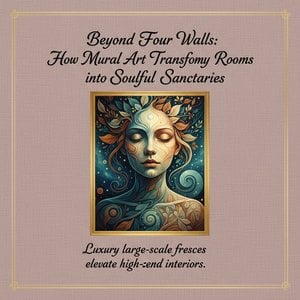
Discover how bespoke mural art transforms empty spaces into soulful sanctuaries. Explore the luxury of large-scale architectural frescoes, geometric abstractions, and custom oil paintings designed to elevate high-end interiors with unparalleled artistry and emotional depth.

Elevate your interior design projects with our expert guide on matching masterpiece reproductions to luxury styles. Discover professional techniques for selecting hand-painted oils, multi-panel layouts, and custom commissions that transform spaces into curated galleries.

Elevate your home with museum-quality, hand-painted oil reproductions of iconic masterpieces. Discover bespoke art commissions, professional consultations, and timeless elegance designed to transform your living space into a curated gallery of history and luxury.

 設置イメージを確認
 送る
送る シェア
シェア
 詳細情報
詳細情報 ガイドを表示

 画像をダウンロード
 似ている作品
 X線調査
X線調査 スライドショー
 統計情報
統計情報
 続きを読む
続きを読む









 ガラスオプションは、110cm未満のサイズでのみご利用いただけます。


