
 Giclée PrintDigitalContemporary Realism
 1921
1921 18.0 x 21.0 cm
 フィラデルフィア美術館
このページに掲載されている作品は著作権法によって保護されており、当社の許可なく同一の複製物を制作または販売することは法律で禁じられています。この保護は、以下のような国際条約に基づき執行されます。 ベルヌ条約 および、以下の条項に定められたものを含む各国の法律により、 米国著作権法 第17編。
この手法は、著作権で保護された作品の複製や複写を伴わないため、著作権法に完全に準拠しています。これは単なる模倣ではなく、創造的な再解釈です。元の作品からインスピレーションを受けつつも、それとは異なる、全く新しい絵画を生み出すものです。
スピーディーな制作と多彩な仕上げオプションが魅力の、ミュージアムクオリティなジークレー・キャンバスプリント。 ( 手描きの複製画を注文する デジタル画像販売へ切り替え)
作品のオリジナル比率に合わせた、当店の規定サイズからお選びください。

額縁や壁のスペースに合わせて、ご希望の幅と高さを入力してください。プリントはカットすることは可能ですが、元の画像より大きくすることはできないため、異なる比率のサイズを選択された場合は、画像の一部が欠けることになります。印刷を開始する前に、内容を確認していただくためのデジタルモックアップをお送りいたします。このページに表示されている画像は、実際のカット後の状態を示すものではありません。実際の仕上がりはモックアップにてご確認ください。
Night Shadows
複製画サイズ一覧
Edward Hopper's "Night Shadows," etched in 1921, isn’t merely a depiction of a street at night; it’s a distilled essence of American loneliness and the quiet drama inherent in everyday existence. The stark black and white etching immediately establishes an atmosphere of profound stillness – a palpable sense of isolation that speaks volumes without uttering a single word. Hopper, a master of capturing fleeting moments of human experience, expertly utilizes light and shadow to create a scene both familiar and unsettlingly detached. The image draws us in with its simple composition: a solitary figure walking down the street, his elongated shadow stretching before him like an extension of his solitude. This isn’t a bustling urban landscape; it's a carefully constructed tableau designed to evoke introspection.
Hopper’s etching technique is remarkably precise, revealing the meticulous hand that shaped this iconic image. Notice the deliberate hatching and cross-hatching employed to render the textures of the pavement, the subtle gradations in the shadows, and the delicate lines defining the architecture. The artist's control over line weight contributes significantly to the overall mood – heavier lines emphasize areas of darkness and solidity, while lighter lines suggest distance or ambiguity. The placement of the two chairs and bench further anchors the scene, providing a sense of place without disrupting the feeling of detachment. These elements aren’t merely decorative; they subtly invite us into the narrative, suggesting potential encounters that never materialize.
"Night Shadows" emerged during a pivotal period in American history—the early 20th century, a time of rapid industrialization, urbanization, and profound social change. Hopper’s work reflects the anxieties and uncertainties of this era, capturing the growing sense of alienation felt by many individuals within increasingly impersonal urban environments. The solitary figure walking alone at night embodies this theme – a symbol of disconnection and the struggle to find meaning in a rapidly changing world. The chairs and bench hint at moments of potential connection, yet they remain unoccupied, reinforcing the image’s underlying message of isolation. It's important to remember that Hopper was deeply influenced by the literary works of writers like Henry James, whose explorations of psychological states resonated strongly with his artistic vision.
Beyond its technical brilliance and historical context, “Night Shadows” possesses a remarkable emotional depth. The image doesn’t scream for attention; instead, it quietly invites contemplation. There's a palpable sense of longing within the scene—a yearning for connection or perhaps simply for understanding. The darkness itself isn’t menacing but rather suggestive, hinting at hidden stories and unspoken emotions. It’s this ability to evoke such profound feelings through seemingly simple imagery that has cemented Hopper’s place as one of America's most enduring artists. A reproduction of “Night Shadows” offers a powerful opportunity to bring this evocative scene into your home, serving as a constant reminder of the beauty and melancholy inherent in the human experience.
「Night Shadows」に似た作品は、作品の似ている作品ページに掲載されています。
エドワード・ホッパー作「Night Shadows」はLandscapeの構図です。プリントサイズを選択する前に、縦横比をご確認いただくことをお勧めします。
「Night Shadows」はContemporary Realismの様式に属しており、その作者は近代美術の時代に活動していました。


1931 - 1967 , アメリカ合衆国

Explore the profound artistry of black and white photography. From historical mastery to the interplay of light and shadow, discover how monochrome captures timeless emotion and form through a sophisticated lens of art history.
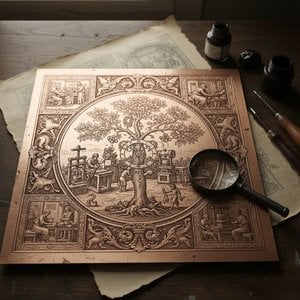
Explore the intricate world of etching and intaglio printmaking. Discover how masters use acid and metal to create profound textures and lines, from Romanticism to modern era, through an expert lens of art history and technical mastery.


 送る
送る シェア
シェア
 詳細情報
詳細情報 ガイドを表示

 画像をダウンロード
 似ている作品
 スライドショー
 統計情報
統計情報 続きを読む
続きを読む






































 ガラスオプションは、110cm未満のサイズでのみご利用いただけます。


