

 Acrylic On CanvasWallArtContemporary Realism
 1904
1904 61.0 x 24.0 cm
当社のアーティストが、お客様のご希望のサイズと額縁に合わせて、キャンバスに手描きで制作する油彩画です。 ( プリント版に切り替え デジタル画像販売へ切り替え)





























作品のオリジナル比率に合わせた、当店の規定サイズからお選びください。

特定のフレームやスペースに合わせて、ご希望のサイズをご入力いただけます。選択されたサイズが元の画像の比率と異なる場合、アートワークをトリミングするか、手描きで要素を追加して絵画を拡張いたします。デジタルモックアップ を制作し、制作開始前にご確認(承認)をいただきます。
画面上のプレビューは、実際のトリミングや拡張を正確に反映しているものではありません。最終的な構図は、モックアップによってのみ正確にご確認いただけます。
カスタムサイズもご利用いただけますが、元の比率を維持するためには、あらかじめ用意されたリストからサイズを選択することをお勧めいたします。

Male Nude
複製画サイズ一覧
Edward Hopper, a name inextricably linked to the quietude and subtle melancholy that permeated 20th-century American life, wasn’t simply a painter of scenes; he was a poet of light and shadow, a chronicler of modern isolation. Born in Nyack, New York, in 1882, to middle-class parents of Dutch ancestry, Hopper's early years provided a stable upbringing that nurtured his artistic inclinations. From childhood sketches meticulously dated and signed, it became evident that keen observation and an innate talent for drawing were central to his being.
Though initially encouraged towards commercial illustration – a pragmatic suggestion from his parents – Hopper’s ambitions leaned toward fine art, leading him to the New York School of Art where he studied under William Merritt Chase and Robert Henri. These formative years instilled not only technical skill but also an appreciation for realism and a commitment to depicting the world as he saw it. He absorbed influences from Impressionism and Post-Impressionism, particularly Cézanne’s geometric simplification and Monet’s atmospheric effects, shaping his distinctive visual vocabulary.
Hopper's artistic style is instantly recognizable for its austere compositions, muted color palettes dominated by earthy tones—browns, grays, ochres—and a masterful manipulation of light and shadow. He eschewed dramatic narratives or flamboyant gestures, instead focusing on capturing fleeting moments of everyday life with remarkable precision. His paintings often depict solitary figures inhabiting sparsely furnished interiors, conveying a profound sense of loneliness and introspection. This deliberate restraint wasn’t merely stylistic; it reflected Hopper's deep engagement with psychological themes—the anxieties of modern existence, the complexities of human relationships, and the yearning for connection.
Among Hopper’s most celebrated paintings are “Nighthawks” (1942), a depiction of a late-night diner scene bathed in artificial light, and “Moonrise Over Saint Louis” (1927), which captures the stillness of twilight over a Midwestern cityscape. Recurring motifs—empty rooms, solitary figures gazing out windows, urban landscapes devoid of human presence—underscore Hopper’s preoccupation with themes of alienation and psychological isolation. These images resonate powerfully with viewers because they tap into universal anxieties about solitude and the challenges of navigating modern life.
Edward Hopper's work continues to inspire artists and designers alike, cementing his place as one of America’s most influential painters. His uncompromising realism combined with poetic sensitivity—a careful balance between observation and emotion—established a new standard for depicting the human condition in art. He remains a cornerstone of American Realism, demonstrating that profound artistic expression can emerge from seemingly unremarkable subjects.


1931 - 1967 , アメリカ合衆国

Explore the powerful social commentary & artistic representation of American Realism. Discover key artists like Bellows & Sloan, and understand the movement's lasting impact on 20th-century art history.

Explore the profound beauty of American Realism. From the Ashcan School's urban grit to intimate portraits, discover how artists captured the authentic soul of a nation through unvarnished truth and masterful observation.
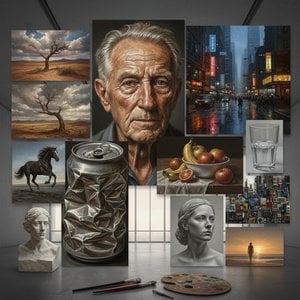
現代リアリズムを代表する10選。巨匠たちの技と情熱が息づく至宝の世界へ。油絵、超写実主義など、感動的なアート体験を。WahooArt.comで、あなただけの空間を彩る名作を見つけませんか?

エドワード・ホッパーの傑作25選。アメリカ絵画を代表するモダンアート、孤独と光影の世界を紐解きます。名画「Nighthawks」や「ハウス・バイ・ザ・レールロード」など、美術史に残る作品群をWahooArtで高品質複製画としてお楽しみください。インテリアに深みを与えるアートプリントも多数。今すぐコレクションをご覧ください。

Explore 10 defining American Realism masterpieces – Hopper, Homer & more. Discover the stories behind these iconic paintings and bring timeless art to your home with WahooArt's museum-quality reproductions. Explore the full collection online.

 設置イメージを確認
 送る
送る シェア
シェア
 詳細情報
詳細情報 ガイドを表示

 画像をダウンロード
 似ている作品
 X線調査
X線調査 スライドショー
 統計情報
統計情報 続きを読む
続きを読む









 ガラスオプションは、110cm未満のサイズでのみご利用いただけます。


