

このページに掲載されている作品は著作権法によって保護されており、当社の許可なく同一の複製物を制作または販売することは法律で禁じられています。この保護は、以下のような国際条約に基づき執行されます。 ベルヌ条約 および、以下の条項に定められたものを含む各国の法律により、 米国著作権法 第17編。
この手法は、著作権で保護された作品の複製や複写を伴わないため、著作権法に完全に準拠しています。これは単なる模倣ではなく、創造的な再解釈です。元の作品からインスピレーションを受けつつも、それとは異なる、全く新しい絵画を生み出すものです。
スピーディーな制作と多彩な仕上げオプションが魅力の、ミュージアムクオリティなジークレー・キャンバスプリント。 ( 手描き複製画を注文する デジタル画像販売へ切り替え)





























作品のオリジナル比率に合わせた、当店の規定サイズからお選びください。

額縁や壁のスペースに合わせて、ご希望の幅と高さを入力してください。プリントはカットすることは可能ですが、元の画像より大きくすることはできないため、異なる比率のサイズを選択された場合は、画像の一部が欠けることになります。印刷を開始する前に、内容を確認していただくためのデジタルモックアップをお送りいたします。このページに表示されている画像は、実際のカット後の状態を示すものではありません。実際の仕上がりはモックアップにてご確認ください。
Capron House
複製画サイズ一覧
In the vast landscape of American modernism, few works capture the heavy, cinematic silence of rural life as poignantly as Edward Hopper’s 1931 watercolor, Capron House. This piece is far more than a mere depiction of a farmhouse; it is a profound meditation on solitude and the unspoken narratives that dwell within the stillness of a domestic scene. As the eye wanders across the composition, one is immediately struck by the sense of contemplative calm that defines Hopper’s signature style. A modest white clapboard house, crowned with a vibrant red roof, stands in quiet dialogue with a weathered barn, anchoring the viewer to a moment frozen in time. The presence of two figures on the porch, their postures suggesting a detached observation of their surroundings, adds a layer of psychological depth, inviting us to wonder if they are contemplating the day's labor or simply absorbing the profound tranquility of the countryside.
The scene is further enriched by the subtle inclusion of everyday artifacts—a parked truck and various vehicles scattered across the lawn. These elements serve as gentle reminders of the realities of rural existence during the early 20th century, grounding the ethereal mood in a tangible, lived reality. For the collector or interior designer, this painting offers a unique window into a bygone era, providing a focal point that is both intellectually stimulating and visually soothing. It is a work that does not demand attention through loud colors or chaotic movement, but rather earns it through a steady, rhythmic grace that settles deeply into the spirit of a room.
Hopper’s technical prowess in Capron House lies in his ability to use the delicate medium of watercolor to sculpt form and atmosphere. Eschewing dramatic or jarring palettes, he favors muted, earthy hues that heighten the emotional resonance of the landscape. His technique is characterized by precise washes and subtle gradations of tone, which allow light to become a character in its own right. The diffused light bathing the farmhouse does not merely illuminate the architecture; it softens the edges of reality, casting shadows that delineate the textures of wood and stone while emphasizing the isolation of the figures. This careful rendering of light and shadow creates a palpable sense of realism, making the atmosphere feel thick with memory and stillness.
For those seeking to incorporate such mastery into their personal spaces, the beauty of this piece lies in its textural richness. The way the light falls upon the white clapboard and the weathered surfaces of the barn provides a visual depth that is incredibly captivating. It is a masterclass in how subtle tonal shifts can convey immense psychological weight, making the painting an ideal choice for those who appreciate art that speaks through nuance rather than noise.
To understand Capron House, one must consider the era from which it emerged. Painted during the Great Depression, the work carries an inherent weight of the period's economic and social uncertainties. Yet, Hopper does not lean into tragedy; instead, he explores the architecture of solitude. He presents loneliness not as a catastrophe, but as a fundamental, almost sacred, state of being. This perspective allows the viewer to find beauty in the quietude, transforming a simple rural scene into a universal symbol of introspection and peace.
The emotional impact of the piece is enduring. It evokes a sense of nostalgia for a slower pace of life, making it an evocative addition to any curated collection or sophisticated interior design project. Whether placed in a sunlit study or a quiet corner of a living space, Capron House serves as a constant reminder of the beauty found in the moments between actions—the heavy, electric tension of the stillness that exists when the world stops to breathe.
「Capron House」のダウンロードが可能です。作品のデジタルイメージをダウンロードページにて高解像度デジタル画像のダウンロードいただけます。
「Capron House」はrural landscape, domestic scene, american vernacular, tranquility, isolation, suburban life, vehicle presence, evening lightを描いていますが、エドワード・ホッパーのこれまでの主要なテーマはrealism, light & shadow, urban silence, domestic routine, hopper legacyです。この二つを比較することで、本作が作家の恒常的な主題とどのように結びついているかが浮き彫りになります。
「Capron House」のガイドは、作品の解説資料ページです。このページは印刷可能なファクトシートとなっており、作品のキャプション、クレジット、および詳細情報(作家名、制作年、技法、原寸大、所蔵)をまとめてご確認いただけます。

エドワード・ホッパーは、アメリカ合衆国のアップ・ナイアックに生を受けました。彼の幼少期は、世界をじっと見つめる観察眼を養う日々であり、その習慣は、日付と署名が丁寧に記された子供時代のスケッチから始まっていました。両親は現実的な選択肢として商業イラストレーターの道を勧めましたが、彼の情熱は純粋芸術へと向かっていました。彼はニューヨーク・スクール・オブ・アートに入学し、ウィリアム・メリット・チェイスやロバート・ヘンリーに師事します。この修行時代は、世界を飾らず、ありのままに描き出すために必要な技術的習熟を彼に授けました。彼はパリで出会った印象派のような、刹那的な筆致を追い求めることはありませんでした。むしろ、群衆の動きよりも、ある瞬間に漂う静止した時間を尊ぶ、独自の視座を築き上げたのです。
彼の作品の多くは、日常的な風景に焦点を当てています。家々、ダイナー、オフィス、そしてホテルの客室。彼は余分な細部を削ぎ落とすことで、その情景の根底にある感情的な真実をあぶり出そうとしました。1925年の傑作線路脇の家では、シンプルな構図の中に、神秘性と孤独感が漂っています。彼は光と影を、単に部屋を説明するための道具としてではなく、情緒を醸成するための手段として用いました。壁に落ちる影の精密な描写や、窓に差し込む光の在り方は、被写体の心理状態を伝える彼独自の言語となったのです。
空間に差し込む光の在り方は、彼の絵画における中心的な登場人物といえます。1942年の『夜警(Nighthawks)』では、深夜のダイナーから漏れる強烈な蛍光灯の光が、人影のない都市の街路の暗闇を切り裂いています。店内にいる人々は、物理的には近くにありながらも、互いに断絶し、それぞれの思索の中に沈み込んでいるように見えます。こうした、混雑した都市の中にありながら感じる匿名性は、彼の繰り返される重要なテーマとなりました。彼は、公共の場にいながらにして孤独であるという緊張感を捉え、その感覚はオートマットや『小さな街のオフィス』といった作品の中に深く共鳴しています。彼は、人工的な光が夜の自然な暗闇とどのように交錯するかに、深い関心を寄せていたのです。
妻のジョセフィン・ニビソン・ホッパーは、彼の傍らに常に寄り添う存在でした。彼女自身も芸術家であり、しばしば彼のモデルを務めました。彼女の存在感は、彼が描く多くの女性像のキャラクター形成の中に息づいています。二人は質素な生活を送り、夏をニューイングランドで過ごすことも多く、それが彼が描く風景にも影響を与えました。田舎から都市に至るまで、エドワード・ホッパーが描くアメリカの風景は、しばしばある種の荒涼とした空虚さを強調します。それが『ガソリンスタンド』(1940年)の道端の施設であれ、ホテルの静かな一室であれ、主題は常に、物理的な場所と、個人の内面的な経験が交差する地点にあるのです。
ホッパーの影響は、映画や文学といった視覚言語の領域にまで及んでいます。構図を通じて心理的な緊張感を生み出す彼の卓越した能力は、イメージを通じて物語を語る手法を研究する多くの人々に注目されてきました。彼の作品は、現在も世界中の主要な美術館に収蔵されており、ホイットニー美術館やボストンのボストン美術館といった名だたるコレクションの一部となっています。彼は壮大な歴史的物語を描こうとしたのではありません。日常の静かな片隅に題材を見出し、ありふれた窓や通り過ぎる見知らぬ誰かを、人間存在の探求へと昇華させたのです。彼の作品は、今なお、人々の間に存在する「静寂」を問い続けています。

1931 - 1967 , アメリカ合衆国

Step into the evocative world of American Realism with our curated guide to the 25 most iconic Edward Hopper paintings. Explore the profound beauty of light, shadow, and urban solitude through museum-quality art stories and decor inspiration. Discover all masterpieces on WahooArt.com.

Explore iconic works by Hopper and Bacon that capture profound solitude. Discover museum-quality masterpieces on WahooArt.com.

Explore the profound emotional landscapes of Mark Rothko. An expert editorial on Color Field painting, decoding the spiritual depth, technique, and enduring legacy of these abstract masterpieces for the discerning global collector.
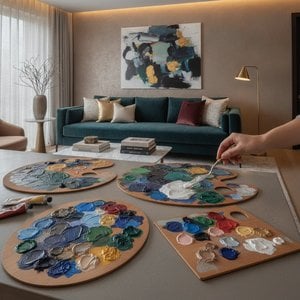
Elevate your interiors with expert guidance on color theory and art selection. Discover how to achieve chromatic equilibrium using hand-painted oil reproductions and bespoke commissions from WahooArt.com, the global authority in museum-quality fine art for luxury spaces.

Discover the ethereal beauty of watercolor through an art-historical lens. Master the delicate balance of light, fluidity, and pigment to capture the luminous essence of nature, inspired by the legendary techniques of the Old Masters and Impressionist greats.
 設置イメージを表示

 シェアする
 シェアする
 詳細を見る
 ガイドを表示


 ダウンロード
 似ている作品
 X線調査
 スライドショーを表示
 Q&A

 統計情報


 詳細を表示









 ガラスオプションは、110cm未満のサイズでのみご利用いただけます。


