x































作品のオリジナル比率に合わせた、当店の規定サイズからお選びください。

特定のフレームやスペースに合わせて、ご自身でサイズを指定することも可能です。選択されたサイズが元の画像の比率と一致しない場合、作品をトリミングするか、鏡面反射または単色での塗りつぶしによって画像を拡張いたします。制作を開始する前に、ご確認用のデジタルモックアップをお送りいたします。
画面上のプレビューには、実際のトリミングや拡張は反映されませんのでご注意ください。最終的な構図を正確に確認できるのは、モックアップのみとなります。
カスタムサイズも承っておりますが、元の比率を維持するためには、あらかじめ用意されたリストからサイズを選択することをお勧めいたします。

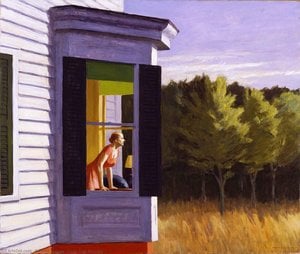
Cape Cod evening
複製画のサイズ
Edward Hopper’s *Cape Cod Evening*, completed in 1939, is more than just a depiction of a New England scene; it’s a masterclass in conveying profound solitude and the subtle anxieties of modern life. Painted during a period of significant social and economic change in America – the Great Depression cast a long shadow over the nation – Hopper's work reflects a growing sense of alienation, a feeling acutely captured within the confines of this seemingly idyllic coastal setting. The painting’s power resides not in grand gestures or dramatic events, but in its meticulous observation of ordinary moments, rendered with an almost unnerving stillness.
Hopper was a master of realism, but his approach transcended mere representation. He employed a precise, almost photographic technique, meticulously rendering every detail—the worn wood of the porch, the texture of the woman's book, the reflection in the clock face. However, this technical skill is deployed not to create a literal copy, but to evoke an emotional response. His brushwork is generally smooth and controlled, contributing to the painting’s overall sense of quiet contemplation. The use of black and white adds to the starkness and timeless quality of the image, reminiscent of photographs from the era.
The influence of artists like William Merritt Chase, whom Hopper studied under at the New York School of Art, is evident in his attention to form and light. Yet, Hopper developed a distinctly personal style – one characterized by an acute awareness of human psychology and a subtle yet powerful ability to convey unspoken emotions.
*Cape Cod Evening* was painted during a period of immense social and economic upheaval in the United States. The Great Depression had left many Americans feeling disillusioned and uncertain, and Hopper’s work reflects this mood. The couple on the porch can be interpreted as symbols of isolation and detachment – individuals adrift in a rapidly changing world. The clock hanging on the wall serves as a poignant reminder of the relentless passage of time, further emphasizing the theme of mortality and the fleeting nature of happiness.
The painting’s location—Truro, Massachusetts—adds another layer of significance. Truro was a thriving artistic community in the early 20th century, attracting artists like Rockwell Kent and Charles Burchfield. Hopper's visit to Cape Cod during this period undoubtedly influenced his work, contributing to its distinctive atmosphere.
*Cape Cod Evening* continues to resonate with viewers today because it taps into universal human experiences—loneliness, contemplation, and the search for meaning. It’s a painting that invites introspection, prompting us to consider our own relationships with others and our place in the world. Hopper's ability to capture such profound emotions through seemingly simple imagery is a testament to his artistic genius. This iconic work remains a cornerstone of American art, embodying the spirit of modernism and its exploration of the human condition.


1931 - 1967 , アメリカ合衆国
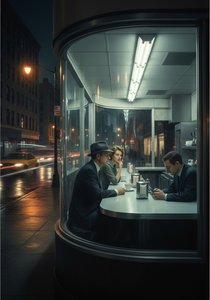
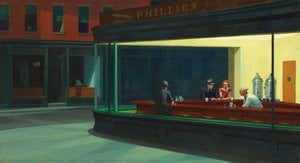
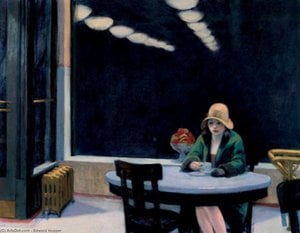
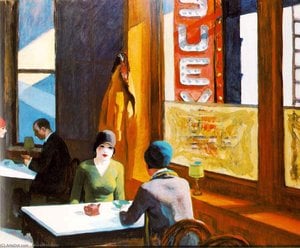
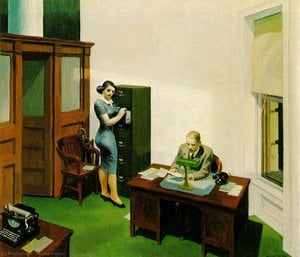
Explore the profound world of Edward Hopper's American realism. Discover the symbolism, themes & enduring legacy of this iconic artist – from 'Nighthawks' to his lesser-known masterpieces. Expert analysis and insights.

Delve into the power of 'Ivory Black' with 10 iconic paintings by masters like Rembrandt & Caravaggio. Explore dramatic chiaroscuro, gothic moods & timeless art history. Find museum-quality reproductions and elevate your home decor at
Delve into the power of 'Mars Black' with 10 iconic paintings by masters like Rembrandt & Caravaggio. Explore dramatic chiaroscuro, gothic art, and timeless beauty. Find museum-quality reproductions & elevate your home decor on .

Explore 10 iconic paintings dominated by black tones, from Rembrandt’s chiaroscuro to Goya's dark expressions. Discover the stories behind these masterpieces & find museum-quality art reproductions for your home at .

Explore the rich history & artistic power of black and white photography. From early techniques to iconic masters like Ansel Adams, discover why monochrome continues to captivate art lovers today. Expert insights for collectors.


最新の美術ニュース、限定オファー、そしてインテリアのアイデアをいち早くお届けします。
お客様のプロジェクトについてお聞かせください。当社の美術専門家が、お客様に合わせた3つのパーソナライズされた芸術提案をご提供いたします。
あなたにぴったりの3作品を無料で厳選いたします
 手描き複製画を注文する
 シェアする
シェアする シェアする
シェアする
 Details

 ダウンロード
 似ている作品
 X-Ray
X-Ray スライドショー

 詳細を見る
詳細を見る









 ガラスオプションは、110cm未満のサイズでのみご利用いただけます。