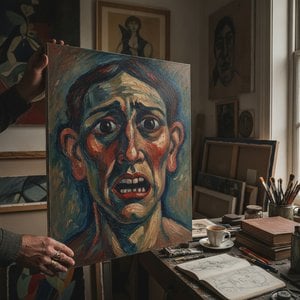
エドヴァルド・ムンク作、untitled (3881) ()、熟練の絵師による手描きの油彩画複製画
設置イメージを表示 ARで試着 プリント版に切り替え デジタル画像販売へ切り替え シェアする
詳細を見る ガイドを表示 お気に入りに追加 ダウンロード 似ている作品 X線調査 スライドショーを表示 Q&A PowerPointをダウンロード 統計情報

untitled (3881) 手描きの油彩画複製画

Experience Edvard Munch's iconic 'untitled (3881)' – a haunting portrait capturing raw emotion and psychological depth from the master of Expressionism. Explore its symbolism & artistic legacy.

表現主義の先駆者エドヴァルド・ムンクは、象徴的な「叫び」を生み出しました。不安と感情を描いた、魂を揺さぶる傑作を今すぐご覧ください。

手描き油彩複製画

当社のアーティストが、ご希望のサイズと額縁に合わせてキャンバスに手描きで制作する、オーダーメイドの油彩画です。 ( プリント版に切り替え デジタル画像販売へ切り替え)

Corner sample of the P118B picture frame: 成型ポリスチレン, 5 cm wide and 3 cm thick
P118B ¥10
Corner sample of the P118H picture frame: 成型ポリスチレン, 5 cm wide and 3 cm thick
P118H ¥10
Corner sample of the P118W picture frame: 成型ポリスチレン, 5 cm wide and 3 cm thick
P118W ¥10
Corner sample of the P438Z picture frame: 成型ポリスチレン, 5.5 cm wide and 3.5 cm thick
P438Z ¥10
Corner sample of the P508JH picture frame: 成型ポリスチレン, 7 cm wide and 3.5 cm thick
P508JH ¥12
Corner sample of the P508YH picture frame: 成型ポリスチレン, 7 cm wide and 3.5 cm thick
P508YH ¥12
Corner sample of the P805H picture frame: 成型ポリスチレン, 5 cm wide and 3.5 cm thick
P805H ¥10
Corner sample of the P805Z picture frame: 成型ポリスチレン, 5 cm wide and 3.5 cm thick
P805Z ¥10
Corner sample of the P919BZ picture frame: 成型ポリスチレン, 7 cm wide and 3.5 cm thick
P919BZ ¥10
Corner sample of the P919G picture frame: 成型ポリスチレン, 7 cm wide and 3.5 cm thick
P919G ¥10
Corner sample of the P919XJ picture frame: 成型ポリスチレン, 7 cm wide and 3.5 cm thick
P919XJ ¥10
Corner sample of the P959ZH picture frame: 成型ポリスチレン, 5 cm wide and 3 cm thick
P959ZH ¥10
Corner sample of the P968JZ picture frame: 成型ポリスチレン, 6 cm wide and 4 cm thick
P968JZ ¥12
Corner sample of the W106C picture frame: 無垢材, 5 cm wide and 3 cm thick
W106C ¥8
Corner sample of the W218G picture frame: 無垢材, 5 cm wide and 3 cm thick
W218G ¥10
Corner sample of the W218JH picture frame: 無垢材, 5 cm wide and 3 cm thick
W218JH ¥8
Corner sample of the W218Y picture frame: 無垢材, 5 cm wide and 3 cm thick
W218Y ¥10
Corner sample of the W307PJ picture frame: 無垢材, 6 cm wide and 3 cm thick
W307PJ ¥10
Corner sample of the W316G picture frame: 無垢材, 6 cm wide and 3 cm thick
W316G ¥10
Corner sample of the W316PJ picture frame: 無垢材, 6 cm wide and 3 cm thick
W316PJ ¥8
Corner sample of the W316Y picture frame: 無垢材, 6 cm wide and 3 cm thick
W316Y ¥10
Corner sample of the W398PJ picture frame: 無垢材, 5 cm wide and 3 cm thick
W398PJ ¥8
Corner sample of the W4111J picture frame: 無垢材, 6.5 cm wide and 3.5 cm thick
W4111J ¥10
Corner sample of the W500HY picture frame: 無垢材, 7 cm wide and 5 cm thick
W500HY ¥15
Corner sample of the W500JH picture frame: 無垢材, 7 cm wide and 5 cm thick
W500JH ¥15
Corner sample of the W692G picture frame: 無垢材, 8 cm wide and 4 cm thick
W692G ¥12
Corner sample of the W849H picture frame: 無垢材, 5 cm wide and 3 cm thick
W849H ¥8
Corner sample of the W940BG picture frame: 無垢材, 7.5 cm wide and 4.5 cm thick
W940BG ¥15
Corner sample of the W953PJ picture frame: 無垢材, 6 cm wide and 3.5 cm thick
W953PJ ¥8

標準サイズ
オーダーメイド
CM
INCH

作品のオリジナル比率に合わせた、当店の規定サイズからお選びください。

横幅
高さ

フレームや壁のスペースに合わせて、ご希望の幅と高さを入力してください。本作品は手描きのため、異なる比率のサイズをご希望の場合、絵画の周囲を少し広げて描くか、あるいは端を少しカットして調整することが可能です。お客様のご要望に合わせます。制作を開始する前に、仕上がりを確認するためのデジタルモックアップをお送りいたします。このページに表示されている画像は完成品の実物ではなく、あくまでモックアップによるイメージです。

カスタマイズの例:顔をお客様の写真に置き換える、ペットを追加する(例:猫を犬に変更)、背景に隠れたメッセージを入れる、背景の風景や要素を変更するなど。
ご注文後、WahooArt.com チームより詳細な指示をお送りするとともに、仕上がりイメージ(モックアップ)をご提供いたします。

世界中への配送()は、通常の5週間ではなく、3〜4週間でお届けいたします。(10 11月)。品質には一切妥協いたしません。

世界中へ無料エクスプレス配送
高品質なリネンキャンバス
配送時完全保険付
関税・輸入税の払い戻し保証
真の色彩再現に関する保証
100日間返品保証(製造上の欠陥がある場合のみ)
100% 全額返金保証
まとめ買い割引のご案内

合計金額

¥ 43124

untitled (3881)

再現技法

複製画サイズ一覧

-

合計金額

¥ 43124

作品詳細

  • Subject or theme: Human anxiety
  • Artistic style: Symbolist, Emotional
  • Influences:
    • Munch
    • Van Gogh
  • Medium: Painting
  • Artist: Edvard Munch

アート・クイズ

各質問の正解は1つのみです。

設問 1:
What is the primary subject depicted in Edvard Munch’s ‘untitled (3881)’?
設問 2:
The image description mentions the painting evokes a sense of what?
設問 3:
Edvard Munch is most closely associated with which art movement?
設問 4:
According to the provided text, what influenced Munch's artistic style and themes?
設問 5:
The text mentions that Munch's 'The Scream' series explores themes of:

The Echoes of Anxiety: Unveiling Edvard Munch’s “Untitled (3881)”

Edvard Munch's "Untitled (3881)," a haunting portrait emerging from the depths of his intensely personal and psychologically charged artistic vision, stands as a cornerstone of Expressionism. Painted in 1893, during a period of profound upheaval in his life and a burgeoning awareness of the anxieties permeating modern existence, this work transcends mere representation; it’s an embodiment of raw emotion, a visceral exploration of fear, isolation, and the unsettling fragility of the human psyche. The painting depicts three figures set within a dense, almost claustrophobic forest, yet its power lies not in detailed depiction but in the palpable sense of unease that radiates from every brushstroke.

At the heart of the composition stands a woman, her posture suggesting both vulnerability and a strange, unsettling dance. Her back is turned to the viewer, creating an immediate sense of distance and withholding – she’s not inviting connection but presenting herself as a figure caught in a private torment. Behind her, a man raises his hands in what could be interpreted as supplication or perhaps even a desperate plea for help. The third figure remains shrouded in shadow, adding to the overall atmosphere of mystery and ambiguity. Munch masterfully employs a limited palette dominated by deep blues, greens, and browns, colors traditionally associated with melancholy, darkness, and decay. These hues are not blended smoothly; instead, they’re applied in thick, agitated strokes that contribute significantly to the painting's turbulent emotional landscape.

A Window into Munch’s Inner World

Understanding “Untitled (3881)” requires delving into the context of Edvard Munch’s life. The late 19th century was a time of rapid social and technological change, marked by increasing urbanization, industrialization, and a growing sense of alienation. Simultaneously, philosophical currents like Nietzsche's proclamation of "God is dead" challenged traditional values and beliefs, leaving many grappling with existential questions. Munch himself experienced immense personal tragedy – the early deaths of his mother and sister from tuberculosis, coupled with his own struggles with mental illness—which profoundly shaped his artistic output. These experiences weren’t simply biographical details; they formed the bedrock of his symbolic language, fueling a relentless exploration of mortality, sickness, and the darker recesses of the human soul.

Munch's artistic journey began with Symbolism, influenced by artists like James McNeill Whistler, but he quickly developed a uniquely personal style. He experimented extensively with various media – oil paint, tempera, pastel, woodcut—each chosen to convey specific emotional nuances. “Untitled (3881)” exemplifies his mastery of color and texture. The brushstrokes are deliberately uneven and expressive, mirroring the turbulent emotions depicted within the scene. Notice how the figures seem almost to dissolve into the surrounding forest, blurring the boundaries between self and environment – a common motif in Munch’s work reflecting the feeling of being overwhelmed by one's surroundings.

Symbolism and Emotional Resonance

The symbolism embedded within “Untitled (3881)” is layered and open to interpretation. The woman’s back turned can be seen as representing a rejection of connection, a withdrawal from the world. The man’s raised hands suggest a desperate need for solace or perhaps an acknowledgment of shared suffering. The forest itself acts as a metaphor for the unconscious mind—a dark, impenetrable space filled with hidden dangers and unresolved anxieties. Some art historians have linked the painting to Munch's own experiences with mental illness, suggesting that it represents his struggle with inner demons.

The most striking element of the work is undoubtedly the central figure’s posture – a strange, almost ritualistic dance that evokes both fascination and unease. This gesture has been interpreted as representing a confrontation with mortality, a surrender to the forces of fate, or even a descent into madness. The painting's emotional impact is undeniably powerful, triggering feelings of anxiety, dread, and profound loneliness in the viewer. It’s not a comfortable image; it demands engagement and invites contemplation on the darker aspects of human existence.

A Timeless Masterpiece: Reproductions and Legacy

“Untitled (3881)” remains one of Edvard Munch's most enduringly captivating works, resonating with audiences across generations. WahooArt offers meticulously crafted reproductions that faithfully capture the painting’s original intensity and emotional depth. These high-quality prints are available in a range of sizes and materials, allowing you to bring this iconic masterpiece into your home or office. Whether you're an art enthusiast, a collector seeking a significant addition to your collection, or simply someone drawn to evocative imagery, “Untitled (3881)” offers a profound glimpse into the mind of one of history’s most influential artists.

Explore more about this artwork and other masterpieces by Edvard Munch on our website: https://www.WahooArt.com/en/art/edvard-munch-untitled-3881-9GEU39-en/

Q&A

「untitled (3881)」の作者と、その画風について教えてください。

エドヴァルド・ムンクは、Expressionismのムーブメントにおいて「untitled (3881)」を制作しました。

エドヴァルド・ムンク作「untitled (3881)」は、Expressionismの作品の中でも、特に需要の高いものなのでしょうか?

エドヴァルド・ムンク作「untitled (3881)」は、Iconicに分類され、Expressionismの様式に属しています。

「untitled (3881)」において、コントラストと調和はどのように組み合わさっているのでしょうか?

「untitled (3881)」において、Balancedな対比とStrong Color Unityな調和が響き合っています。


作家プロフィール

エドヴァルド・ムンクの生涯とアイデンティティ

エドヴァルド・ムンクは、故郷ノルウェーの風景と、そこに漂う重苦しい空気感にその生涯を深く結びつけられたノルウェーの画家です。1863年12月12日に生を受けた彼は、その生涯の多くを、筆と版画の道具を通じて人間の精神が抱える複雑な深淵を辿ることに捧げました。彼の作品は、しばしば彼自身の内なる葛藤がそのまま形を成したかのように感じられ、個人的な感情を、目に見える形として他者と共有できるものへと昇華させました。彼は1944年1月23日にこの世を去るまで、芸術界において常に力強い存在であり続けました。

人間の存在が震わせる根源的な不安を捉える彼の能力は、1893年の『叫び』の誕生によって、一つの頂点に達しました。この作品は、実存的な恐怖を描写したものとして世界的に認められ、西洋美術において最も称賛されるイメージの一つとなっています。多くの芸術家が目に見える物理的な世界を再現しようと試みた一方で、ムンクが関心を寄せたのは、不安や孤独の重みといった、目には見えない領域でした。彼は色彩と形態を駆使し、人間の精神を揺さぶる不可視の力に、確かな形を与えたのです。

その長いキャリアを通じて、彼は多種多様な媒体を用いて膨大な数の作品を世に送り出しました。その代表的な作品には、以下のようなものがあります。

幼少期、家族、そして芸術への研鑽

エドヴァルド・ムンクは、1863年、ノルウェーの峻厳な自然に囲まれて生を受けた。彼の幼少期を形作ったのは、常に病の影が寄り添う家庭環境であった。1868年、母親が結核でこの世を去ったことは、幼い彼の心に深い傷跡を残した。その喪失感は、1877年に姉のヨハンネ・ソフィーもまた15歳という若さで結核に倒れたことで、より一層深いものとなった。こうした早すぎる死の経験は、死という避けられない運命が、彼の日常の織りなす風景の中に深く刻み込まれたことを意味していた。

父 クリスチャン・ムンク は、医師として、また医療官として職務に当たっていた。クリスチャン は並外れた信仰心を持つ人物であったが、同時に神経質で強迫的なまでの宗教観に苦しむ気質も持ち合わせていた。そのため、家庭内の空気はしばしば、言いようのない不安感に包まれていたのである。そのような環境で育ったエドヴァルドは、病によって学校へ通えなくなった長い冬の間、手持ち無沙汰を紛らわせるために絵を描くことに没頭した。この時期に味わった悲しみと恐怖の記憶は、やがて彼のキャンバスへと昇華されていくことになる。

正式な芸術教育を受けるため、彼はクリスティアニア(現在のオスロ)の王立美術設計学校へと進んだ。ここで彼は、後に人間心理の深淵を探求していくための技術的な基礎を築き始めた。この時期の研鑽こそが、内面の苦悩を視覚的な形へと翻訳し続ける、彼の芸術家としての生涯の礎となったのである。

クリスティアーニアのボヘミアン・サークル

現在のオスロとして知られるクリスティアーニアの街角で、エドヴァルド・ムンクはそれまで教え込まれてきたあらゆる常識を覆すようなコミュニティとの出会いを見出しました。彼は、当時の厳格な社会規範の外側で生きる人々が集う、ボヘミアンな社交界へと身を投じていきます。その進歩的なサークルの一員には、自然主義的な画家であるクリスチャン・クログの姿もありました。こうした集まりは単なる社交の場にとどまらず、世界を捉えるための新たな視座が熱烈に議論され、実践される、思想の実験場でもあったのです。

エドヴァルド・ムンク自身の芸術的歩みが決定的な転換期を迎えたのは、ニヒリストであるハンス・ヤーガーの影響を受けた時でした。ヤーガーは彼に対し、当時の礼儀正しいアカデミックな伝統から脱却するよう強く促しました。彼は、芸術家が外の世界ではなく、自らの内面へと目を向け、自身の感情や心理状態をそのまま描くべきだと説いたのです。それは、当時の価値観からすれば極めて急進的な思想でした。他者の目に映る世界をありのままに写し取るのではなく、エドヴァルド・ムンクはキャンバスを、自らの精神の中に吹き荒れる嵐を表現するための媒体へと変えていったのです。

パリとベルリンでの旅、そして受けた影響

ヨーロッパの芸術の中心地を渡り歩いたことで、エドヴァルド・ムンクは、他者の作品の中に自分自身の衝動が反映されているのを見出しました。パリにおいて、彼はポール・ゴーギャンやフィンセント・ファン・ゴッホといった芸術家たちの技法に触れました。彼らは単なる写実的な描写を超え、色彩と形態をいかに駆使して表現へと昇華させるかという点において、ムンクに多大な示唆を与えたのです。また、パリでの滞在は、アンリ・ド・トゥールーズ=ロートレックとの出会いをもたらしました。こうした芸術家たちとの邂逅は、外的な現実よりも内面的な真実を優先させるという、彼の独自の視座を研ぎ澄ませていくことになったのです。

その後、ベルリンでの経験は、彼の関心を人間の精神のより深く、より不穏な層へと向かわせました。そこで彼は、スウェーデンの劇作家アウグスト・ストリンドベリと出会います。ストリンドベリのような人物との繋がりは、心理的なテーマに対する彼の探求をさらに加速させました。エドヴァルド・ムンクは、自然主義的な描写から脱却し、恐怖や不安という重苦しい感情を伝えるためのスタイルを確立していきます。それは、人間の存在が抱える震えを、芸術を通じて描き出そうとする試みでもあったのです。

魂の絵画:その技法と様式

エドヴァルド・ムンクは、目に見えるままの物理的な世界を再現することを目指したわけではありませんでした。むしろ、彼は自らの内面的な状態を外部へと引き出すことを追求し、その手法を「魂の絵画」と呼びました。歪んだ形態やリズムを刻むような線を用いることで、彼は人間の存在が抱える震えを伝えようとし、心理的な苦痛を視覚的で実体のある形へと変容させたのです。彼の筆致は、しばしば彼自身の心の動揺を映し出す鏡となり、色彩と形を通じて、見えているものとしてではなく、感じているものとして世界を翻訳していきました。

こうした内面への深い集中は、彼に多様な媒体を用いた広範な実験へと向かわせました。彼は極めて精力的な版画家でもあり、リトグラフ、木版画、エッチングといった技法を駆使して、自身の表現領域を押し広げていきました。その技術的な幅は非常に広く、アクアチントやドライポイント、銅版画といった凹版画のプロセスも網羅していました。これらの技法によって、彼は人間の感情の複雑さを反映するような、重層的な質感と線の重なりを生み出すことに成功したのです。

叫び (1893)
マドンナ (1894)
病気の子供 (1926年頃)

「生命の生け垣」と主要作品

エドヴァルド・ムンクは、「生命の生け垣(The Frieze of Life)」と名付けた一連の作品群を通じて、繰り返される人間の存在のサイクルを捉えようと試みました。このコレクションが焦点を当てたのは、愛、恐怖、死、そして不安といった、逃れることのできない重厚なテーマです。彼は単に人生の情景を描写することを目指したのではなく、むしろ人生を定義づける内面の嵐を探求しようとしたのです。彼の絵画は、幼少期から彼に付きまとってきた悲しみや、精神的な震えを昇華させるための手段として、しばしば機能していました。

彼の最も広く知られるイメージの多くは、こうした個人的な葛藤から生まれています。例えば、クリスティアーニアに滞在していた際に構想された叫びでは、渦巻く炎のような風景を用いることで、実存的な不安を表現しました。また、他の作品において彼は、人間関係の複雑さや生命の儚さに視線を向けています。マドンナは性愛と死の交差を探求し、一方で病気の子供は、姉ソフィーの死という喪失を痛切に思い起こさせるものとして存在し続けています。これらの作品は、自らに付きまとう影に意味を見出そうとした、一人の人間の魂の軌跡を反映しているのです。

  • 叫び (1893年)
  • マドンナ (1894年)
  • 病気の子供 (1926年頃)
  • 思春期 (1894–95年)

晩年と最期

エドヴァルド・ムンクの晩年は、自身の生活習慣と創作環境における劇的な変化によって特徴づけられます。1908年に精神的な崩壊を経験した後、彼は長年の悩みであった過度な飲酒を断つ決断を下しました。この変革の時期は、彼を若かりし頃の激動の社交界から遠ざけることとなりました。その代わりに、彼は残された歳月を静寂とプライバシーの中で過ごし、創作活動を続けるための穏やかな場所を見出したのです。

彼の創作活動は、生涯を通じて途絶えることがありませんでした。1944年にこの世を去るまでに、彼は1006点もの絵画を遺しました。彼を取り巻く世界が第二次世界大戦という巨大な激動に直面していたにもかかわらず、その作品の大部分は戦火を逃れ、彼の紡ぎ出した視覚言語が、後世の人々によって研究され、体験されるための確かな足跡として残されることとなりました。

永続的な遺産と影響

人間の条件における暗部を直視するエドヴァルド・ムンクの姿勢は、ドイツ表現主義が花開くための道を切り拓くこととなりました。彼は、学術的な芸術が定めた礼儀正しい規則から脱却し、精神の内に吹き荒れる嵐を表現する術を見出した表現主義の先駆者でした。心理的な苦痛を視覚的な形へと翻訳することで、彼はアーティストがキャンバスに向き合う際のアプローチそのものを変容させたのです。彼の作品はモダニズム運動の礎石となり、芸術の焦点を「眼に見えるもの」から「魂が耐え忍ぶもの」へと劇的に転換させました。

ノルウェー美術の歴史において、彼の存在はあまりにも深く刻まれています。普遍的な人間体験の探求を通じて、彼は国家的なアイデンティティの形成にも寄与しました。存在の震えを伝えるために彼が用いた色彩と歪んだ線の表現は、多くの芸術家たちが辿るべき道標となりました。その影響力はノルウェーの国境を遥かに越え、現代社会が不安や孤独をどのように捉えるかという認識のあり方にまで、今なお深い影響を与え続けています。

  • 叫び (1893年)
  • マドンナ (1894年)
  • 病気の子供 (1926年頃)

今日、その作品を辿る旅へ

エドヴァルド・ムンクがその生涯をかけて描き出した、広大で深遠な芸術世界を体験するためには、ノルウェーのオスロへと足を運ばなければなりません。ムンク美術館は、彼の遺産の主要な守護者であり、その芸術的活動の全領域を網羅する膨大なコレクションを収蔵しています。そこは、彼の圧倒的な制作のスケールを肌で感じることができ、長年にわたる絵画や版画の制作を通じて彼が探求し続けたテーマの深淵を覗き込める場所なのです。

また、オスロの他の主要な美術館にも、極めて重要な作品が大切に保管されています。オスロ国立美術館には、1893年にテンペラとクレヨンで描かれた叫びのバージョンが所蔵されており、他のバージョンとは異なる独特の質感と情緒を湛えています。さらに、ノルウェー国立美術館にはマドンナの作品も収蔵されており、同じ主題に対して彼がいかに異なる視点からアプローチしたのかを、目の当たりにすることができるでしょう。

  • 叫び (1893年) - オスロ国立美術館
  • マドンナ - ノルウェー国立美術館
エドヴァルド・ムンク

エドヴァルド・ムンク

1863 - 1944 , スウェーデン

プロフィール概要

  • Artistic Movement Or Style:
    • 表現主義
    • 象徴主義
  • Artists Or Movements Influenced By This Artist: ['ドイツ表現主義']
  • Artists Who Influenced This Artist:
    • ポール・ゴーギャン
    • フィンセント・ファン・ゴッホ
  • Date Of Birth: 1863年
  • Date Of Death: 1944年
  • Full Name: エドヴァルド・ムンク
  • Nationality: ノルウェー
  • Notable Artworks:
    • 叫び
    • マドンナ
    • 病気の子供
    • 思春期
  • Place Of Birth: スウェーデン、アデルスブルック
テーマ、スタイル、特徴別に分類された作品を探索しましょう。